Arborvitae are the workhorses of the Idaho landscape. They give you a fast, full, evergreen privacy screen, they shape up into tidy hedges, and they ask for very little once established. So it is genuinely alarming when a healthy green wall of them starts turning brown, patch by patch, seemingly overnight. If you are staring at browning foliage on your arborvitae and wondering whether the plant is dying, you are asking the right question at the right time.
The good news is that many browning arborvitae can be saved when you catch the cause early. The honest news, which we will get to, is that the brown foliage itself usually will not turn green again. Recovery is about protecting the healthy growth and fixing whatever is stressing the plant. Here is how to figure out what is going wrong and what to do about it.
First, Is It Actually a Problem
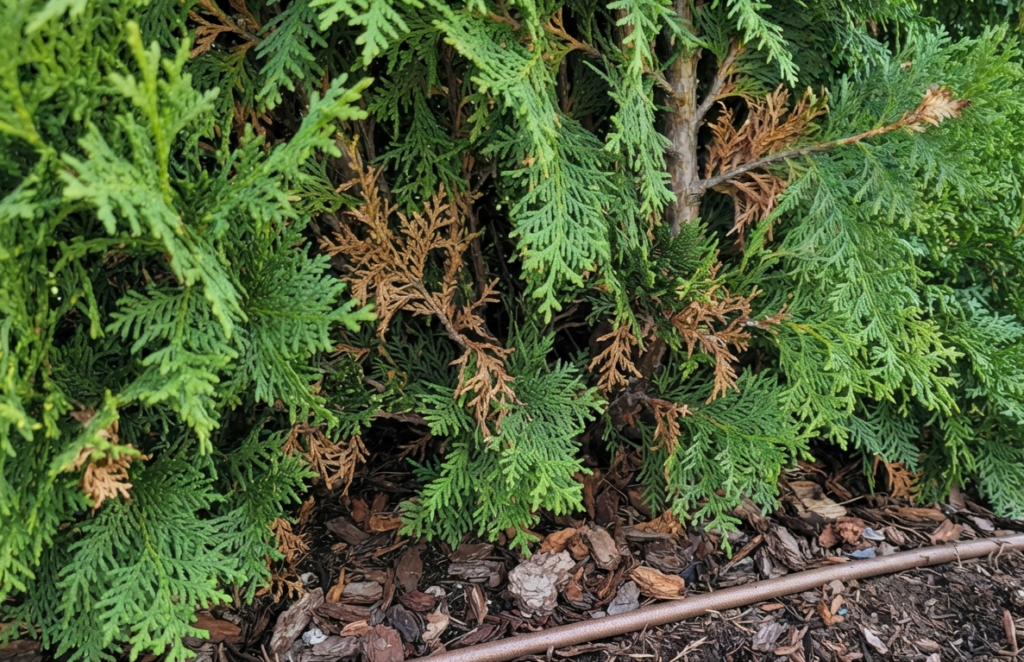
Before you worry, rule out the one kind of browning that is completely normal. Every fall, arborvitae shed some of their oldest, innermost foliage. You will see brown or bronze coloring deep inside the plant, close to the trunk and along the older branches, while the outer tips stay green and healthy. This is the plant dropping foliage it no longer needs, exactly the way other trees drop leaves. It happens across the whole hedge at once, it is limited to the interior, and it needs no treatment at all.
The browning to worry about is different. It shows up on the outer, newer growth, it appears in patches rather than evenly, or it spreads over weeks. That is the browning worth investigating.
The Most Common Reasons Arborvitae Turn Brown in Idaho
Several culprits show up again and again in Treasure Valley yards. Often more than one is at play.
Too little water. Arborvitae have shallow roots and no tolerance for drought, especially in their first few years and during our hot, dry summers. Underwatered plants brown from the outside in and can fade fast during a heat wave.
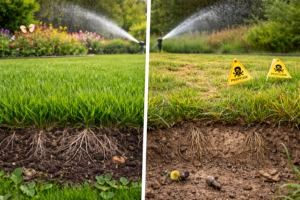
Too much water or poor drainage. The opposite problem is just as common in our heavier clay soils. Roots sitting in soggy ground begin to rot, and a plant with damaged roots cannot take up water, so it browns even though the soil is wet. Yellowing that starts low and spreads, paired with constantly damp soil, points this direction.
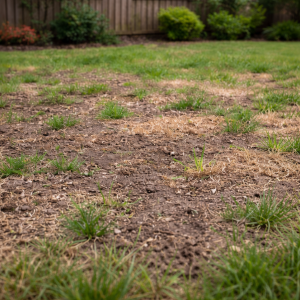
Winter burn. This is a classic Idaho cause you see in late winter and early spring. Evergreen foliage keeps losing moisture to cold, dry wind all winter, but when the ground is frozen the roots cannot replace it. The result is bronzed or brown foliage, usually worst on the windward and sun exposed sides.
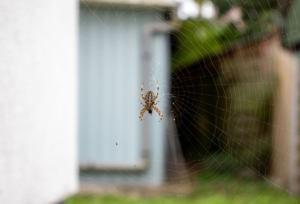
Spider mites and other pests. Tiny spider mites pierce the foliage and drain it, leaving a stippled, dull, fading look along with fine webbing. They thrive in the same hot, dusty summers arborvitae struggle in. If you suspect insects, our tree and shrub insect control service can confirm and treat the problem, and our full guide to tree and shrub insect control walks through how to spot each pest.
Fungal tip blight. Certain fungal diseases cause the tips of branches to brown and die back, often starting on the lower and interior branches in damp conditions. Blight tends to move progressively through a plant and usually calls for a targeted treatment.
Salt and dog damage. Arborvitae planted along driveways and streets can brown on the side facing de-icing salt spray in winter. Dogs that repeatedly visit the same spot will scorch the low foliage on one side of the plant.
How to Figure Out Which One You Are Dealing With
You can narrow the cause down with a few simple observations. Look at where the browning is. Damage low and on one side often means dog urine or salt, while browning worst on the windy, sunny side points to winter burn. Look at when it appeared. Sudden browning after a hot, dry stretch suggests water stress, while browning that shows up in late winter suggests desiccation.
Then check for mites. Hold a sheet of white paper under a browning branch and tap it sharply. If tiny specks fall and start to crawl, spider mites are part of your problem. Finally, feel the soil a few inches down. Bone dry points to underwatering, while soggy and constantly wet points to root problems from too much water or poor drainage.
Can a Brown Arborvitae Really Come Back
Here is the part most homeowners are not told. Arborvitae do not regrow foliage from branches that have turned fully brown. Unlike a leafy tree that pushes new leaves each spring, the bare brown sections generally stay bare. So when we talk about bringing an arborvitae back, we mean stopping the cause, protecting all the foliage that is still green, and encouraging healthy new growth to slowly fill in around the damage over the seasons.
That is exactly why acting early matters so much. A plant caught while most of it is still green has an excellent chance of recovering into a full, attractive shrub again. A plant that has already gone more than half brown may be too far along to save.
How to Bring Your Arborvitae Back
Once you know the cause, the fixes are straightforward.
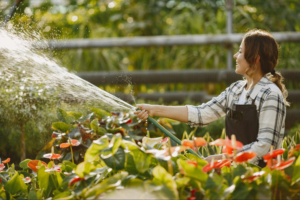
Correct the watering. Water deeply and less often to build strong roots, and give arborvitae a thorough soaking in late fall before the ground freezes, which is one of the best defenses against winter burn. Our watering and care instructions lay out how to do this properly for our climate. If the soil stays soggy, improving drainage is the priority instead.
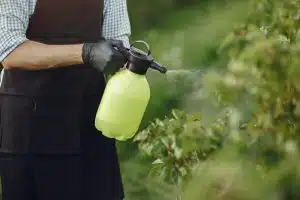
Treat any pests. If mites or another insect are feeding on the plant, a properly timed tree spraying treatment knocks them down and stops further damage, using organic products that are gentle on the rest of your yard.
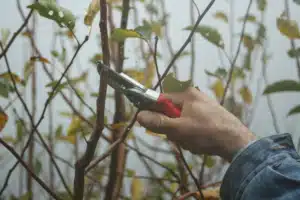
Prune out the dead. Since brown sections will not recover, removing them cleans up the plant’s appearance and lets light and air into the healthy growth. Professional tree trimming shapes the shrub back toward its natural form and helps it channel energy into new growth rather than damaged wood.
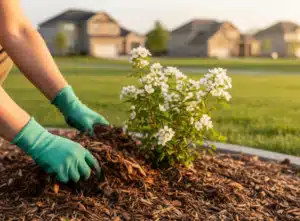
Protect it going forward. A layer of mulch over the root zone, consistent moisture, and a health focused feeding schedule all help a stressed arborvitae rebuild.
When to Call a Pro
If more than one plant in your hedge is browning, if the damage keeps spreading, or if you simply cannot tell whether you are looking at water stress, mites, or disease, a professional diagnosis saves you from guessing while the problem gets worse. We help homeowners across the Treasure Valley pinpoint exactly why their arborvitae are struggling and build a recovery plan around the real cause.
Save Your Privacy Screen Before It Is Too Late
An arborvitae hedge takes years to fill in, and replacing a browned out row is expensive. The sooner you act, the more of your screen you keep. Call Idaho Organic Solutions today at 208-884-8986 for a free assessment. Our licensed, local team will diagnose the cause, treat it the organic way, and help your evergreens recover into the full, healthy privacy wall you planted them to be. Have questions first? Our frequently asked questions cover how our tree and shrub care works.
Frequently Asked Questions
Will the brown parts of my arborvitae turn green again?
Usually not. Arborvitae do not regenerate foliage from fully brown branches, so those sections tend to stay bare. Recovery means stopping the cause, protecting the healthy green growth, and letting new growth fill in around the damage over time, which is why early action makes such a difference.
Why did my arborvitae turn brown over the winter?
That is almost always winter burn. Evergreen foliage loses moisture to cold, dry wind all winter, and when the ground is frozen the roots cannot replace it. The damage shows up as bronzed or brown foliage in late winter, usually worst on the sunny and windward sides. A deep fall watering helps prevent it.
How much should I water my arborvitae?
Deep, consistent watering beats frequent light sprinkling, because it builds the strong roots these shallow rooted plants need. Newly planted arborvitae need close attention, and all of them benefit from a thorough soaking before the ground freezes in fall. Constantly soggy soil is just as harmful as bone dry soil.
Could bugs be causing the browning?
Yes. Spider mites are a common cause on Idaho arborvitae, leaving a stippled, dull look and fine webbing as they drain the foliage. Tap a branch over white paper, and if tiny specks fall and crawl, mites are involved. A timely, targeted treatment stops the damage from spreading.
When should I replace an arborvitae instead of trying to save it?
If a plant has gone more than roughly half brown, or its roots have rotted from prolonged wet soil, saving it is often not realistic. A shrub that is still mostly green, with a cause you can correct, is well worth trying to recover. A professional assessment can tell you which situation you are in.