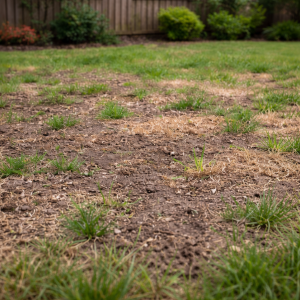
Watering your lawn properly is one of the most important parts of maintaining healthy grass in Nampa. Idaho’s dry summers and limited rainfall make irrigation essential for keeping lawns green and resilient throughout the growing season.
However, watering too much or too little can both cause problems. Overwatering weakens root systems and encourages fungal disease, while underwatering stresses grass and leads to brown patches and thinning turf.
The key is adjusting your watering schedule based on the season. Nampa lawns require different irrigation patterns in spring, summer, fall, and winter. Understanding how much water your lawn needs throughout the year can help maintain healthy grass while avoiding unnecessary water waste.
Why Proper Lawn Watering Matters in Nampa
Nampa receives only about 11 inches of rainfall annually, and most of that moisture falls outside the hottest months of the year. During summer, lawns depend heavily on irrigation to survive high temperatures and dry conditions.
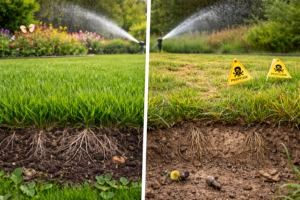
Proper watering encourages deeper root growth, which helps grass tolerate drought and heat stress. Shallow or inconsistent watering often leads to weak root systems that rely on constant moisture.
A consistent irrigation schedule helps:
- Maintain healthy grass growth
- Reduce weed pressure
- Improve drought resistance
- Prevent water waste
- Protect soil structure
When watering is done correctly, lawns develop stronger roots and require less frequent irrigation over time.
Spring Lawn Watering Schedule (March – May)
Spring is when lawns begin to come out of dormancy and start actively growing again. Temperatures are cooler and natural rainfall is more common, so lawns typically require less irrigation than in summer.
During early spring, watering once or twice per week is usually sufficient. The goal is to keep soil slightly moist while encouraging roots to grow deeper.
A typical spring watering schedule for Nampa lawns may look like this:
- Early spring: 1 watering per week
- Mid to late spring: 2 waterings per week
- Water depth: about 1 inch of water per week
Spring is also a good time to inspect your irrigation system and ensure sprinkler heads are functioning properly before the hotter months arrive.
Summer Lawn Watering Schedule (June – August)
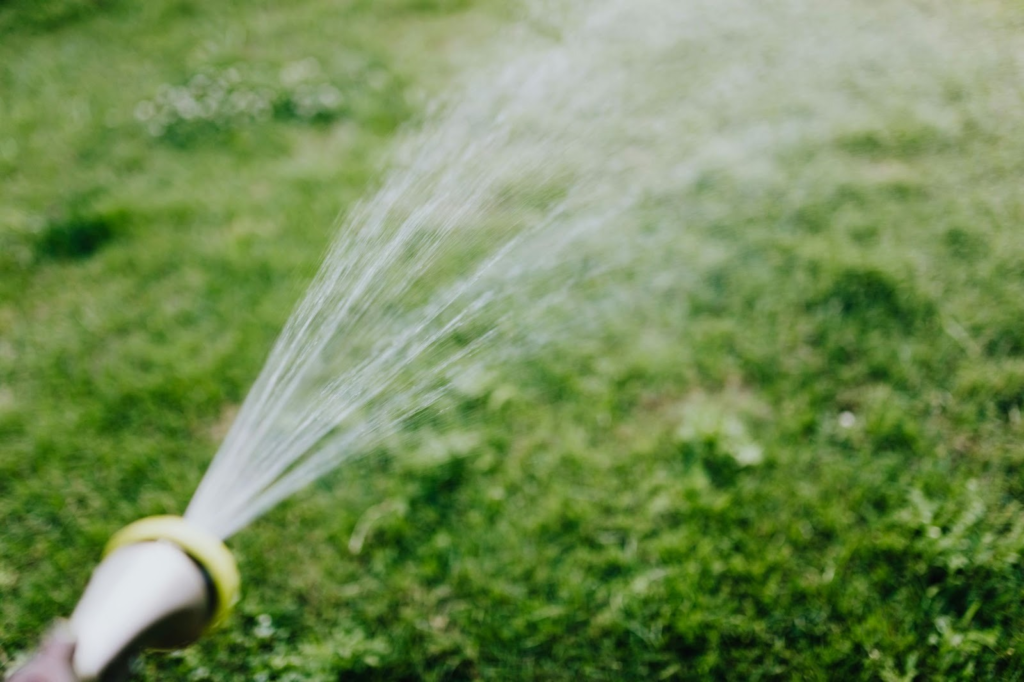
Summer is when irrigation becomes most important for lawns in the Treasure Valley. Temperatures regularly climb into the 90s and occasionally exceed 100°F. Without proper watering, lawns can quickly become stressed.
During summer, most Nampa lawns require 2 to 3 waterings per week depending on soil type, grass variety, and weather conditions.
The goal is to deliver 1.5 to 2 inches of water per week, divided into multiple deep watering sessions.
Key summer watering tips include:
- Water early in the morning to reduce evaporation
- Avoid watering during the hottest part of the day
- Water deeply rather than frequently
- Ensure sprinkler coverage reaches all lawn areas
Deep watering encourages roots to grow further into the soil where moisture remains available longer.
Fall Lawn Watering Schedule (September – October)
As temperatures begin to cool in fall, lawns require less water than during summer. However, irrigation should not stop immediately.
Grass continues growing during early fall, and proper watering helps lawns recover from summer heat stress while preparing for winter dormancy.
A typical fall schedule includes:
- Early fall: 1–2 waterings per week
- Late fall: gradually reduce watering frequency
- Water depth: about 1 inch per week
Fall is also an important time to monitor your irrigation system and prepare it for winterization. Before freezing temperatures arrive, irrigation systems should be properly shut down to prevent pipe damage.
Winter Lawn Watering (November – February)
Most lawns in Nampa enter dormancy during winter. Grass growth slows significantly, and irrigation systems are typically shut down to prevent freezing damage.
Once temperatures drop consistently below freezing, watering is no longer necessary. Snow and occasional winter moisture provide enough hydration for dormant grass.
Before winter begins, homeowners should ensure their irrigation system is properly winterized to prevent frozen pipes and costly repairs.
Early Morning Is the Best Time to Water
Regardless of the season, the best time to water your lawn is early in the morning, typically between 5 AM and 9 AM.
Morning watering allows moisture to soak into the soil before the heat of the day causes evaporation. It also gives grass blades time to dry before evening, reducing the risk of fungal disease.
Watering late at night or during the afternoon heat can lead to inefficient irrigation and potential lawn problems.
Signs Your Lawn Needs More Water
Even when you follow a regular watering schedule, weather conditions, soil composition, and grass type can all affect how much moisture your lawn actually needs. That’s why it’s important to watch for visual signs that your lawn may be becoming dehydrated.
Lawns under water stress often begin showing symptoms before significant damage occurs. Recognising these early warning signs allows homeowners to adjust irrigation before the grass becomes dormant or develops permanent thinning.
Common signs of lawn dehydration include:
- Grass turning dull blue or gray in colour
- Footprints remaining visible on the lawn after walking across it
- Dry or brittle grass blades that fold or curl
- Soil becoming hard, compacted, or cracked
- Grass losing its springy texture
When grass lacks moisture, it begins conserving energy by slowing growth and limiting water loss through the blades. While lawns can tolerate short dry periods, prolonged dehydration weakens root systems and makes turf more vulnerable to weeds and disease.
If you begin noticing these symptoms regularly, your lawn may need deeper watering sessions rather than more frequent shallow irrigation. A healthy watering schedule works best when combined with proper fertilisation, mowing, and soil management. Many homeowners rely on a seasonal lawn care program to keep grass strong and resilient throughout changing weather conditions.
How Soil Type Affects Lawn Watering
Soil plays a major role in determining how often and how deeply your lawn should be watered. Different soil types absorb and retain moisture differently, which directly affects irrigation needs.
In the Nampa area, many lawns contain clay-heavy soil. Clay soils hold water longer because their dense structure slows drainage. While this can be helpful during dry weather, it also means water must be applied slowly to prevent runoff or pooling on the surface.
Sandy soils behave very differently. They drain quickly and allow water to pass through the soil profile faster. Lawns growing in sandy soil often require slightly more frequent watering because moisture does not remain available to grass roots for as long.
Loam soils, which contain a balanced mixture of sand, silt, and clay, provide the most ideal growing conditions because they retain moisture while still draining efficiently.
Improving soil structure is often the key to maintaining a healthier lawn. Organic soil treatments and proper fertilisation can increase moisture retention while supporting deeper root development. Many homeowners interested in long-term soil improvement explore organic lawn care in Nampa to strengthen soil biology and improve water efficiency.
Avoid Common Lawn Watering Mistakes
Many lawn problems are not caused by lack of irrigation but by incorrect watering habits. Even well-intentioned homeowners sometimes create unhealthy lawn conditions simply by watering at the wrong times or using inefficient sprinkler systems.
Some of the most common lawn watering mistakes include:
- Watering too frequently with shallow irrigation cycles
- Allowing sprinkler heads to spray sidewalks or driveways
- Ignoring dry spots caused by uneven sprinkler coverage
- Watering during the hottest part of the day
- Running sprinklers during windy conditions
Shallow watering encourages grass roots to stay close to the surface where moisture evaporates quickly. Over time, this creates weaker turf that struggles during hot weather.
Instead, watering should be done deeply but less frequently. This encourages roots to grow further into the soil, where moisture remains available for longer periods.
Lawn care also works best when watering practices are combined with other routine maintenance such as proper mowing height and seasonal fertilisation. Professional lawn services can help maintain consistent grass height, which improves water retention and overall lawn health.
Maintaining Your Irrigation System
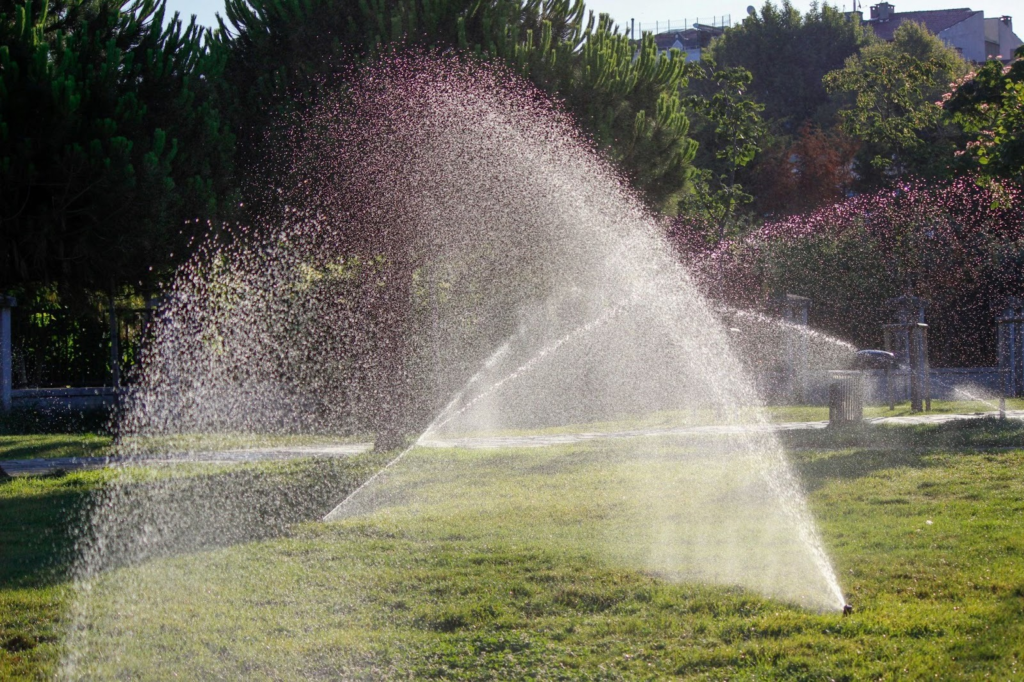
A properly functioning sprinkler system is essential for maintaining a consistent and efficient lawn watering schedule. Even a well-planned irrigation routine will not be effective if the system delivering the water is not working correctly.
Sprinkler heads, valves, timers, and irrigation zones should be inspected regularly to ensure water is being distributed evenly across the lawn. Misaligned or damaged sprinkler heads can cause dry patches in some areas while overwatering others.
Routine maintenance helps prevent several common irrigation problems, including:
- Leaking valves or underground pipes
- Low water pressure
- Blocked or clogged sprinkler heads
- Uneven watering coverage
- Overspray onto driveways or sidewalks
Small irrigation issues can quickly lead to larger lawn problems if left unaddressed. Uneven watering often results in patchy turf, inconsistent growth, and unnecessary water waste.
If your irrigation system needs inspection, adjustment, or repairs, professional sprinkler installation and repair services can help ensure your lawn receives the proper amount of water throughout the growing season.
FAQs
How much water does a lawn need each week?
Most lawns need about 1 to 2 inches of water per week depending on the season and weather conditions.
Is it better to water lawns daily?
No. Deep watering two or three times per week encourages stronger root growth compared to daily shallow watering.
What time of day should I water my lawn?
The best time is early morning, usually between 5 AM and 9 AM, when evaporation is lowest.
Can overwatering damage my lawn?
Yes. Too much water can weaken grass roots, promote fungal disease, and waste water.
Do lawns need watering during winter?
No. Most lawns in Nampa go dormant during winter and do not require irrigation once freezing temperatures arrive.
Keep Your Lawn Healthy Year-Round
Proper lawn watering plays a major role in keeping your lawn green and healthy throughout the year. By adjusting irrigation schedules with the seasons, homeowners can maintain strong grass growth while conserving water.
If you need help optimizing your lawn irrigation or diagnosing sprinkler issues, the team at Idaho Organic Solutions can help.
For assistance with irrigation maintenance or lawn care services, feel free to contact our team. We’re happy to help keep your lawn healthy throughout the year.