If you have spent any time working in an Idaho yard, you have probably met bindweed. It wraps itself around your garden plants, creeps across your lawn edges, and seems to laugh at every attempt to pull it out. For homeowners in Nampa, Boise, Meridian, and throughout the Treasure Valley, bindweed is one of the most stubborn and persistent weeds they will ever deal with. The good news is that you do not need to drench your yard in synthetic herbicides to get the upper hand. With the right strategy, patience, and sometimes a little professional help, you can control bindweed naturally and keep it from coming back.
What Is Bindweed and Why Is It So Hard to Kill?
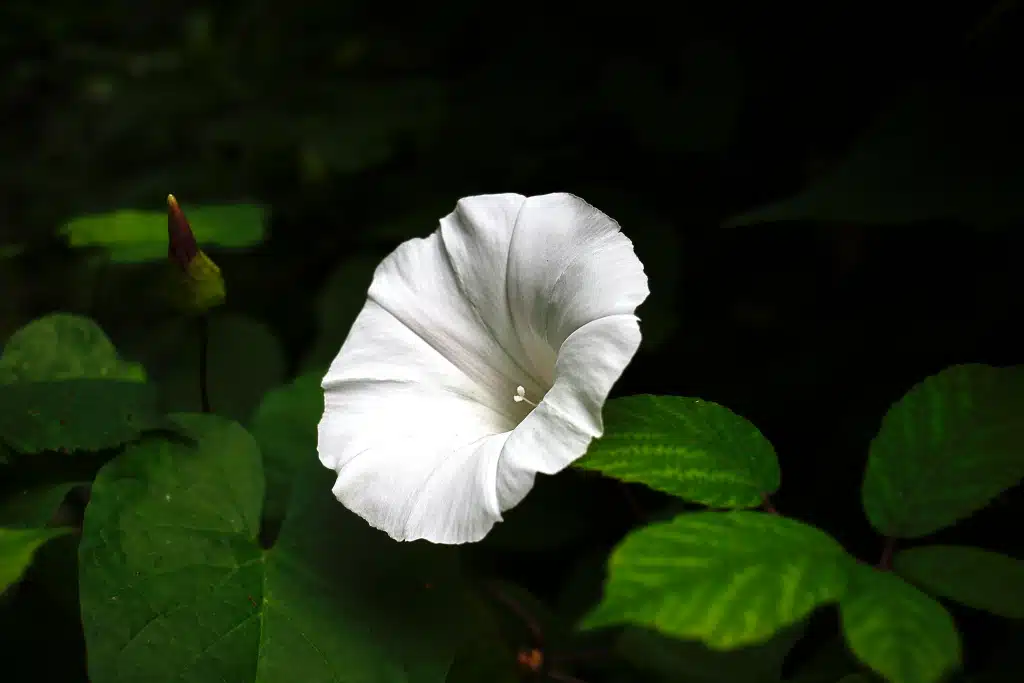
Field bindweed (Convolvulus arvensis) is a perennial weed originally from Europe and Asia that has made itself very comfortable across Idaho. It produces small, trumpet-shaped flowers that are either white or pale pink, which might look pretty if they were not choking everything else in your garden. The plant spreads both by seed and through an aggressive underground root system that can reach depths of 20 feet or more.
That root system is the real problem. When you pull bindweed at the surface, you are only removing a fraction of the plant. The roots left behind in the soil will sprout again within days. Seeds remain viable in the soil for up to 60 years, which means a single neglected season can create a problem that lasts for decades if not addressed correctly.
Idaho’s semi-arid climate and the Treasure Valley’s soil conditions actually favor bindweed growth. It thrives in disturbed soils, poor fertility areas, and spots where other desirable plants are thin or stressed. A healthy, thick lawn is actually one of your best natural defenses, which is why investing in a complete lawn care program makes a real difference in long-term weed pressure.
Why Avoid Harsh Chemical Herbicides?
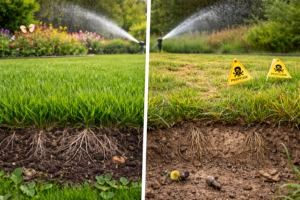
Before diving into organic solutions, it is worth understanding why so many Idaho homeowners are moving away from conventional chemical herbicides for bindweed control. The most commonly used synthetic option, glyphosate, can damage surrounding desirable plants and has raised concerns about its effects on soil microbiota, pollinators, and long-term yard health. Repeated applications also lead to herbicide-resistant populations of weeds, meaning the chemical stops working over time.
Families with children and pets spend time on their lawns. Residual chemicals in soil and on grass blades create real exposure risks. Beyond personal health concerns, chemical runoff in Idaho’s irrigation-heavy Treasure Valley can reach waterways and affect ecosystems downstream. Choosing organic methods protects your yard, your family, and your community.
Organic and Low-Toxicity Methods That Actually Work
1. Consistent, Persistent Hand Pulling
Hand pulling alone will not eliminate bindweed, but it is an important part of a longer-term management strategy. The goal is not to remove the entire root in one pull (that is nearly impossible) but to exhaust the plant’s energy reserves over time. Every time bindweed sends up new shoots, it draws on stored energy in those deep roots. If you remove those shoots before they can photosynthesize and replenish the root, you gradually weaken the plant.
Pull new growth as close to the soil surface as possible, ideally when the soil is moist after irrigation or rainfall. Do this consistently throughout the growing season. It takes commitment, but combined with other methods, it makes a real dent in established populations.
2. Smothering With Mulch and Barriers
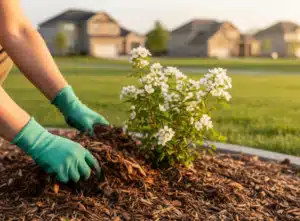
Thick organic mulch (three to four inches) can suppress bindweed growth in garden beds by blocking light. Use wood chips, straw, or compost as a physical barrier. Cardboard or newspaper layered beneath mulch adds another layer of suppression. Be aware that bindweed is persistent enough to eventually push through mulch, so check and reapply regularly and pull any shoots that emerge.
Landscape fabric is another option in garden beds, though it works best when installed before bindweed establishes. If bindweed is already present, fabric alone will not stop it from finding gaps and edges to grow through.
3. Boiling Water Treatments
For bindweed growing along fence lines, driveways, or in areas away from desirable plants, pouring boiling water directly onto the foliage and crown of the plant can kill the above-ground portion and damage shallow roots. This method is not practical for large infestations but is useful for spot treatment in problem corners without any chemical residue.
4. Acetic Acid (Horticultural Vinegar)
Standard household vinegar (5% acetic acid) can burn bindweed foliage, but horticultural vinegar at 20% concentration is more effective. Apply it directly to leaves on a dry, sunny day and avoid contact with desirable plants, as it will damage or kill any vegetation it touches. Like hand pulling, this does not kill the deep roots, so it needs to be repeated each time new growth appears. It is most effective as part of a multi-method program rather than as a standalone solution.
5. Competitive Planting and Turf Density
One of the most overlooked organic strategies is simply crowding out bindweed with dense, healthy plant growth. Bindweed thrives where there are gaps. A thick, well-fertilized lawn leaves little room for weeds to establish. In garden beds, dense ground covers and properly spaced shrubs reduce the open soil bindweed needs to gain a foothold.
This is where professional lawn fertilizing services pay dividends beyond just aesthetics. A properly nourished, dense lawn is genuinely one of the most effective long-term weed suppression tools available.
6. Solarization
During Idaho’s hot summers, clear plastic sheeting placed over infested soil traps solar heat and raises soil temperatures high enough to kill both seeds and roots near the surface. This technique works best in July and August, requires the plastic to stay in place for four to six weeks, and is most practical for small garden beds or areas you want to clear for replanting. It will kill everything in that zone including desirable soil microbes, so plan to reintroduce compost and beneficial organisms afterward.
Building a Long-Term Control Strategy
Organic bindweed control is not a one-season project. Given the plant’s deep roots and long-lived seeds, realistic success looks like this: significant reduction in the first full season of consistent treatment, major suppression by year two, and long-term management with minimal ongoing effort by year three. Homeowners who get frustrated and abandon the effort after a few weeks are inadvertently giving bindweed exactly what it needs to rebound.
The most effective approach combines methods. Hand pull regularly, apply mulch to beds, use horticultural vinegar or boiling water for spot treatments, keep your lawn thick and healthy through proper feeding and care, and consider solarization for heavily infested garden areas. Consistency beats intensity every time with this weed.
If bindweed has genuinely overtaken a significant portion of your yard and you are not sure where to start, our team at Idaho Organic Solutions can assess the situation and build a realistic plan. Our weed control services are designed around minimizing chemical exposure while delivering results Idaho homeowners can see. We serve homeowners in Boise, Nampa, Meridian, Eagle, Kuna, and the rest of the Treasure Valley.
Preventing Bindweed From Returning
Once you have reduced your bindweed population, keeping it at bay is much more manageable than the initial battle. A few habits go a long way:
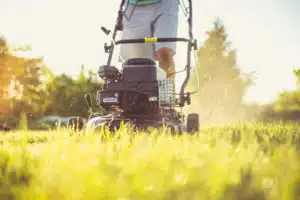
Mow regularly and avoid scalping your lawn, as short grass exposes soil and gives weed seeds a better chance to germinate. Never let bindweed flower and set seed; even a single plant that goes to seed can spread the problem significantly. Clean garden tools, boots, and equipment before moving between areas of your yard, as seeds hitch rides easily. Inspect compost materials before adding them to beds, since bindweed seeds survive composting if the pile does not reach sufficient heat. Address bare spots in your lawn promptly by overseeding and fertilizing to fill gaps before weeds do.
Frequently Asked Questions
Can I completely eradicate bindweed from my Idaho yard without chemicals?
Eradication of a well-established bindweed population without any herbicides is very difficult and requires years of consistent effort. However, you can absolutely get to the point where bindweed is so suppressed that it causes no meaningful problem. Most homeowners find that a combination of organic methods brings it to a manageable level within one to two full growing seasons.
Does pulling bindweed actually make it worse?
You may have heard this, and there is some truth to it. Pulling or tilling can fragment roots and spread root pieces to new areas, each of which can sprout a new plant. This is why tilling infested areas is not recommended. Hand pulling from the surface, however, when done carefully and consistently without breaking the roots into pieces in the soil, is still a net benefit because it depletes the root’s energy reserves.
When is the best time of year to tackle bindweed in Idaho?
Start in early spring as soon as new growth appears, and maintain pressure throughout the growing season. Late spring and early summer, when bindweed is actively growing and drawing heavily on root energy reserves, is when repeated removal is most damaging to the plant. Do not let up in July and August just because it is hot; that is prime solarization time for severe infestations.
Will improving my lawn really help with bindweed?
Yes, significantly. Bindweed exploits thin and stressed turf. A thick, dense lawn created through proper fertilization, watering, and overseeding physically prevents bindweed seeds from making soil contact and establishing. Lawn health and weed pressure are directly linked, which is why skipping fertilization often leads to more weeds, not fewer.
Should I ever consider any herbicide use for bindweed?
If an infestation is extremely severe and organic methods have not made meaningful progress after a full season of consistent effort, a targeted, minimal application of an organic-approved herbicide such as clove oil-based products may be warranted. Idaho Organic Solutions can advise on the least-toxic options if your situation calls for that conversation. We always start with the gentlest effective approach.
Ready to Take Back Your Yard?
Bindweed is tough, but it is not unbeatable. The key is a consistent, multi-method approach and keeping your lawn and garden in top shape so weeds have nowhere to gain ground. If you would rather have experienced professionals handle the assessment and treatment, Idaho Organic Solutions is ready to help. We have been working with Idaho soils and Idaho weeds for over 20 years, and we know what actually works here.
Get your free estimate today and let us put together a weed control plan that fits your yard, your budget, and your values. Call us at 208-884-8986 or reach out online to schedule a visit.