Summer in Boise is genuinely wonderful. Long evenings on the patio, kids playing in the backyard, barbecues that stretch into the golden hours before sunset. Then the mosquitoes show up, and suddenly everyone is heading inside earlier than they want to. If you are tired of spending money on citronella candles that do almost nothing and spray cans of chemicals you are not sure you want around your family, this guide is for you. Natural mosquito control in Boise is not only possible but actually very effective when you take the right approach.
Why Mosquitoes Are Particularly Problematic in Boise
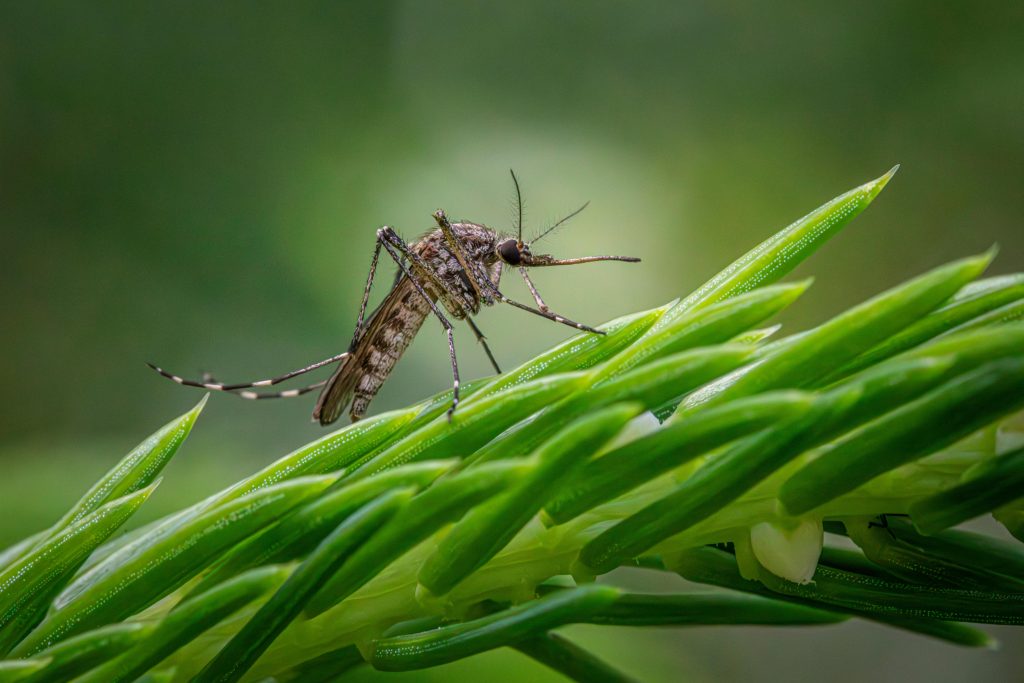
Boise sits in a high desert valley, which might make it seem like mosquitoes would be less of an issue. But the Treasure Valley’s extensive irrigation infrastructure, the Boise River corridor, the many retention ponds in newer subdivisions, and Boise’s warm summer nights create ideal conditions for several species of mosquitoes. Culex mosquitoes, the variety most associated with evening biting and West Nile Virus transmission, thrive in exactly these conditions.
The Boise City and Ada County region has documented West Nile Virus activity in mosquito populations in recent years, which makes managing mosquito populations around your home more than a comfort issue. It is also a genuine health consideration, particularly for children, elderly family members, and those with compromised immune systems.
The good news is that most of the mosquitoes biting you in your backyard are not traveling from distant wetlands. Research consistently shows that most yard mosquitoes breed within a few hundred feet of where they bite. That means your property and your immediate neighbors’ properties are the source of most of your problem, and that means you have meaningful control over it.
Start With Eliminating Breeding Sites
No natural repellent or biological control will give you lasting results if you leave breeding habitat intact. Mosquitoes need standing water to reproduce, and they can complete their larval development in surprisingly small amounts of water. A bottle cap with a tablespoon of rainwater is enough for several mosquitoes to develop from egg to adult in less than a week during warm weather.
Walk your property with fresh eyes and look for every possible water collection point. Common culprits in Boise yards include:
Bird baths that are not refreshed at least twice a week. Potted plant saucers that collect water. Tarps or covers on outdoor furniture and equipment that sag and pool water after rain or irrigation. Clogged rain gutters that hold standing water. Low spots in the lawn that collect water after sprinkler cycles. Old tires, buckets, or containers stored along fence lines. Children’s toys left outside. Ornamental pots without drainage holes. Pet water bowls left stagnant for days.
Addressing these sources consistently is the single most impactful thing you can do for natural mosquito reduction. It is not glamorous, but it works.
For water features you want to keep, like ponds, birdbaths, or decorative fountains, there are excellent organic solutions. Mosquito Dunks and Bits contain Bacillus thuringiensis israelensis (Bti), a naturally occurring soil bacterium that kills mosquito larvae without harming fish, wildlife, pets, or beneficial insects. They are widely available, safe to use in water gardens, and highly effective when applied on schedule.
Plants That Naturally Repel Mosquitoes
Certain plants contain oils and compounds that mosquitoes find unpleasant, and incorporating them into your landscaping is both practical and attractive. These are not a complete solution on their own, but they contribute to an overall lower-mosquito environment and give you fragrant, beautiful additions to your yard in the process.
Lavender is a standout choice for Boise’s climate. It is drought-tolerant, thrives in Idaho’s alkaline soil, produces beautiful blooms that attract pollinators, and contains linalool, a compound known to repel mosquitoes. Plant it along walkways, near seating areas, and around patio edges.
Citronella grass (Cymbopogon nardus) is the actual source of citronella oil and is far more effective when growing in your yard than when burned in a candle. It grows as a large ornamental grass and releases its oils when leaves are brushed or disturbed.
Catmint, a relative of catnip, contains nepetalactone which research has found to be more effective than DEET in some laboratory studies. It grows easily in Idaho, spreads attractively, and pollinators love the flowers. Lemon balm, basil (particularly lemon basil), marigolds, and rosemary round out a solid mosquito-deterrent plant palette that also does double duty in the kitchen or as general landscape color.
Our landscaping team can help design planting areas around your outdoor living spaces that incorporate these repellent plants naturally, making your yard both beautiful and functionally less hospitable to mosquitoes.
Encourage Natural Mosquito Predators
Boise’s natural environment includes several predators that love mosquitoes, and supporting those populations in your yard is a completely hands-off approach to mosquito management.
Bats are the most effective natural mosquito control available. A single little brown bat (extremely common in Idaho) can consume up to 1,000 mosquitoes in a single hour. Installing one or two bat houses on your property, placed at least 12 to 15 feet high on a south or southeast-facing structure, can attract resident bat populations that will work every night of the summer on your behalf. Bat houses are inexpensive, low maintenance, and genuinely one of the best organic pest control investments a Boise homeowner can make.
Birds are also significant mosquito consumers. Swallows, purple martins, and many sparrow species eat mosquitoes throughout the day. Providing appropriate nesting structures and keeping cats indoors can increase your yard’s bird population substantially. Supporting birds and bats goes hand in hand with organic pest control approaches that avoid broad-spectrum insecticides which would otherwise reduce these beneficial predator populations.
If you have a pond or water feature, introducing mosquitofish (Gambusia affinis) provides underwater control of larvae. These small, hardy fish eat mosquito larvae voraciously and are well-suited to Idaho’s climate. Check with local fish suppliers or your county extension office for availability.
Dragonflies and damselflies are also among nature’s best mosquito hunters, consuming them in both larval and adult stages. A healthy backyard pond with native aquatic plants will attract resident dragonfly populations naturally.
Organic Sprays and Targeted Treatments
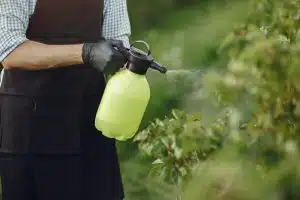
When breeding site elimination and biological controls need a boost, several organic spray options provide meaningful reduction without the risks associated with conventional insecticides.
Garlic-based sprays applied to lawn and shrub foliage create a residual scent barrier that mosquitoes find repellent. Commercial garlic oil concentrates diluted per label instructions and applied with a hose-end sprayer are easy to use and need reapplication every one to two weeks or after rain. The garlic smell is barely perceptible to humans after the spray dries but remains detectable to mosquitoes.
Cedarwood oil and other essential oil-based yard sprays are another option. Products containing cedarwood, peppermint, or rosemary oil have demonstrated repellent effects in peer-reviewed studies and are safe around children, pets, and the beneficial insect populations you want to protect.
For outdoor events where you want maximum mosquito reduction, oscillating fans positioned around seating areas work surprisingly well. Mosquitoes are weak fliers and a consistent breeze of even five to eight mph makes it very difficult for them to land and bite. This is not a permanent control method but is very practical for patios and dining areas.
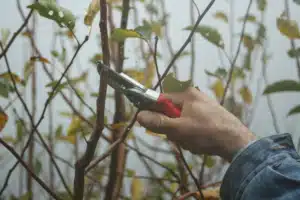
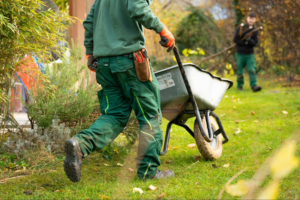
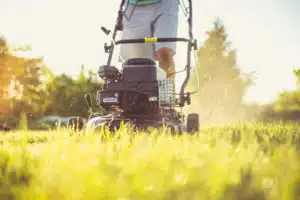
Keeping your lawn trimmed and your shrubs pruned is also part of mosquito management. Adult mosquitoes rest in tall grass and dense vegetation during the heat of the day. A well-maintained yard with regularly mowed and cared for turf provides less daytime resting habitat and reduces the population that is active in your yard each evening.
Proper Yard Drainage Reduces Mosquito Habitat
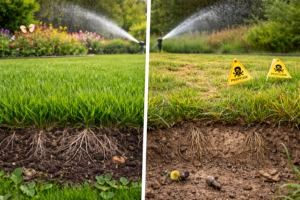
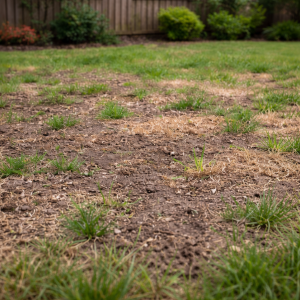
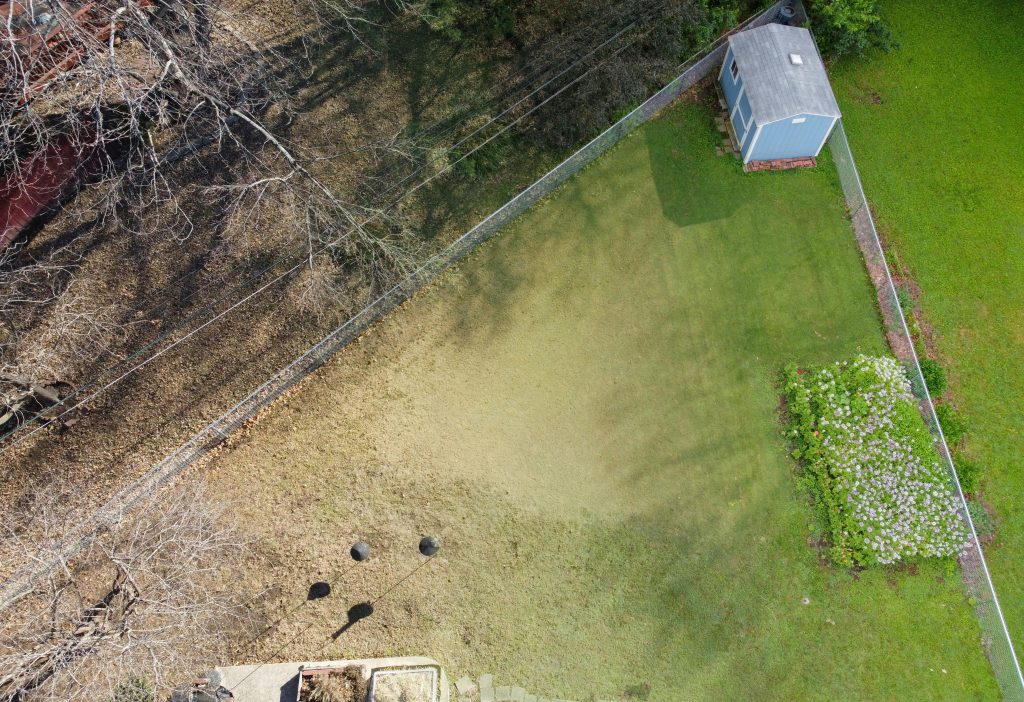
One structural issue that many Boise homeowners overlook is drainage. Low spots that hold water after rain or irrigation cycles can quietly support thousands of mosquito larvae even when you have addressed every obvious standing water source. If your yard has areas that stay wet for more than a few days after watering, you are providing a productive breeding zone.
Correcting drainage issues through grading, French drains, or dry creek bed installations eliminates this source permanently. Our landscape drainage services specifically address these problem areas in ways that improve both your yard’s appearance and its overall mosquito resistance. A properly draining yard is a yard that dries out quickly, and a yard that dries out quickly cannot support mosquito larvae.
Protecting Yourself Naturally While Outdoors
Even in a well-managed yard, some mosquito exposure is inevitable during Boise’s peak season. For personal protection without DEET, a few options stand out. Oil of lemon eucalyptus (OLE, not the essential oil but the refined botanical extract) has EPA registration and is recognized as nearly as effective as low concentrations of DEET for adult mosquito repellency. Picaridin is another synthetic but low-toxicity option that has a much better safety profile than DEET. For those wanting purely botanical options, products containing a combination of cedarwood, lemongrass, and geraniol oils provide reasonable protection for shorter outdoor sessions.
Timing matters too. Culex mosquitoes in the Boise area are most active at dawn and dusk. Planning outdoor activities for midday when possible and moving inside or to well-screened areas at peak biting times reduces exposure significantly.
Frequently Asked Questions
How quickly can I expect to see results from natural mosquito control in my Boise yard?
Source elimination produces results almost immediately. Removing standing water stops the current generation of larvae from developing and breaks the breeding cycle within one to two weeks. Plant-based repellents and biological controls like bat houses take longer to establish but build toward a more permanent reduction. Most homeowners notice a significant difference within the first full season of consistent effort.
Are mosquito dunks safe for my dogs and the birds that use my birdbath?
Yes. Bacillus thuringiensis israelensis (Bti), the active ingredient in mosquito dunks and bits, is specifically toxic only to the larvae of mosquitoes, blackflies, and fungus gnats. It has no effect on mammals, birds, fish, reptiles, or beneficial insects like bees and butterflies. It is genuinely one of the safest biological control agents available and is approved for organic production.
Do citronella candles actually work?
The honest answer is that they provide very minor, very localized repellency. Studies show that citronella candles reduce landing rates by around 42% directly in the immediate smoke stream, but that effect disappears almost entirely a few feet away. They are not effective for protecting a whole patio or seating area. The actual citronella plant is more effective, and combining fans, appropriate clothing, and proper yard management provides far better protection.
Will my neighbor’s poorly maintained yard undermine my mosquito control efforts?
To some extent, yes. Mosquitoes from nearby properties can and will enter your yard. However, research shows that most backyard mosquito problems are locally generated. Controlling your own breeding sources removes the majority of the issue, and garlic-based sprays and oscillating fans on your patio can compensate for some neighbor-sourced activity. Sharing this information with neighbors and encouraging their participation amplifies results for the whole neighborhood.
What professional services help with natural mosquito control?
Idaho Organic Solutions offers pest control programs that use low-toxicity and organic-approved treatments targeting mosquitoes and other yard pests. We also help with the landscaping and drainage improvements that address the structural causes of mosquito problems rather than just treating symptoms. We serve homeowners throughout Boise, Meridian, Nampa, Caldwell, Eagle, Star, and the surrounding Treasure Valley.
Take Back Your Boise Backyard This Summer
Mosquitoes do not have to own your evenings. A consistent, layered approach to natural mosquito control, starting with breeding site elimination, building in biological controls, managing your landscape thoughtfully, and addressing drainage issues, will transform your outdoor experience without putting your family, pets, or the beneficial insects in your yard at risk.
If you want a professional assessment of your property’s mosquito risk factors and a customized organic treatment plan, Idaho Organic Solutions is here to help. We have been serving Boise and Treasure Valley homeowners for over 20 years with safe, effective yard care that we would be happy to use in our own families’ yards.
Contact us today for a free estimate and let us help you plan a summer worth spending outside. Call 208-884-8986 or send us a message online.