There is a certain kind of peace that comes from stepping into your backyard and not making eye contact with the neighbor doing dishes at their kitchen window. As Treasure Valley neighborhoods grow denser and new subdivisions pack homes closer together, more homeowners are looking for a natural way to reclaim that privacy. A well chosen living screen of trees and shrubs does the job beautifully, adding shade, greenery, and property value while it blocks the view.
The trick is picking the right plants for our Idaho climate and your particular yard. Choose well and you get a lush, lasting wall of green. Choose poorly and you get a thirsty, patchy, or oversized screen that becomes a headache. Here are the best options and how to make the right call.
Ask Three Questions Before You Plant
The best privacy plant for your neighbor’s yard might be the wrong one for yours. Start with three questions.
First, do you need privacy year round or just in the growing season? Evergreens hold their foliage all winter and screen every day of the year. Deciduous trees and shrubs drop their leaves in fall, so they open the view up during winter. For blocking a window you look at every day, evergreen usually wins.
Second, how much space do you actually have? This is where most people go wrong. A plant that looks perfect at the nursery may be trying to become forty feet wide. Always plan around the mature size, not the size in the pot, so you are not fighting your screen with pruners for the next twenty years.
Third, how patient are you, and how much watering are you willing to do? Fast growing plants give you privacy sooner but often need more water and more upkeep, while slower, tougher plants ask less of you over time. Idaho’s dry summers and alkaline soils reward choosing plants suited to our conditions.
Best Evergreen Options for Year Round Privacy
For a screen that works twelve months a year, evergreens are the backbone.
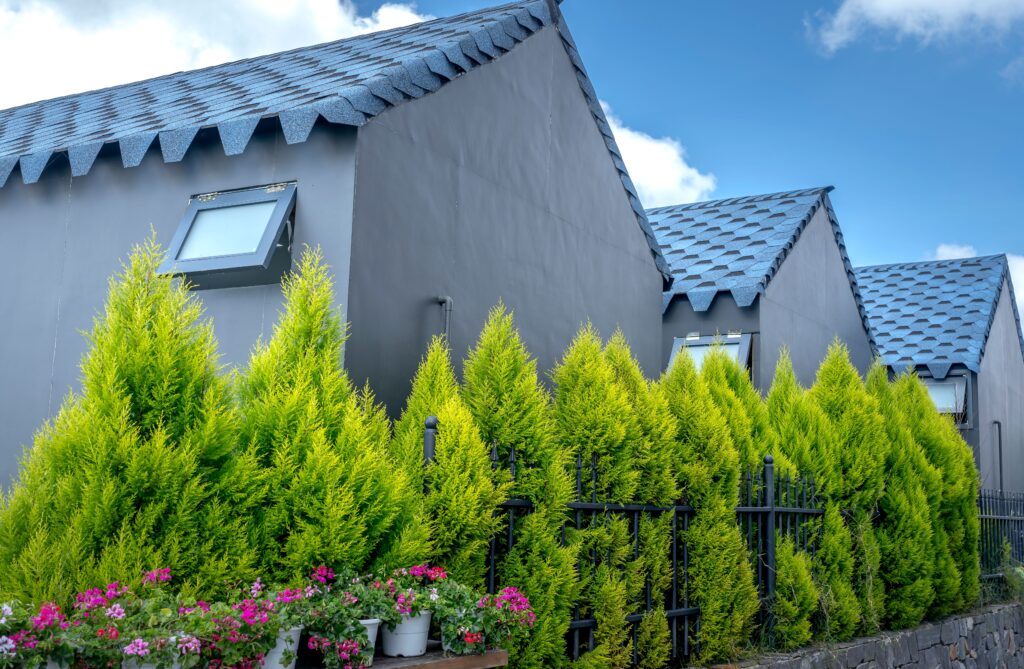
Emerald Green Arborvitae. The classic Idaho privacy hedge. It grows in a narrow, tidy, upright column around twelve to fifteen feet tall, so it screens without eating your yard, and a row of them forms a dense green wall. It appreciates consistent water, especially while establishing.
Green Giant Arborvitae. When you need to screen a two story view or a large open property, this is the fast, tall workhorse, capable of significant growth each year and reaching well over thirty feet. Give it room, because it gets big.
Columnar Junipers. Narrow, upright junipers such as the Rocky Mountain types are among the most drought tolerant screens you can plant, which makes them a smart, low water choice for our climate once established. Their tight, silvery green form suits hot, dry, sunny spots where thirstier plants struggle.
Colorado Blue Spruce. For a bold, beautiful screen and windbreak, few things beat the blue spruce. It grows large and needs space, and it is slower than arborvitae, but the dense branching and striking blue color make it a landscape centerpiece as well as a privacy plant.
Best Flowering and Deciduous Options
If you want seasonal privacy with color, scent, and a softer look, deciduous shrubs deliver.
Lilac. A hardy Idaho favorite. Common lilac grows quickly into a tall, dense screen and rewards you with fragrant spring blooms. It loses its leaves in winter, so it works best where summer privacy is the priority.
Other flowering screens. Rose of Sharon, ninebark, and dense shrub roses can all form attractive seasonal barriers, adding flowers and texture along a property line while filling in faster than many evergreens.
The tradeoff is simple. Deciduous plants tend to be faster and more colorful, but they open up in winter. Many homeowners get the best of both worlds by mixing evergreen anchors with flowering shrubs for a screen that is both private and interesting.
Fast Growing Versus Long Lasting
It is tempting to grab the fastest growing plant you can find, but speed comes with tradeoffs. Very fast growers often have weaker wood, shorter lifespans, and higher water needs. A slightly slower, well adapted plant frequently gives you a denser, healthier, longer lasting screen. If you need instant coverage, one good strategy is to plant a mix, using a fast grower for quick results alongside a slower, sturdier plant that becomes the permanent backbone.
Keeping Your Privacy Screen Healthy and Dense
A privacy screen is only doing its job when it stays full and green from top to bottom, and that takes a little care. Water consistently while plants establish, since a screen that dries out thins and browns from stress. Our watering and care instructions explain how to water new plantings correctly for our climate.
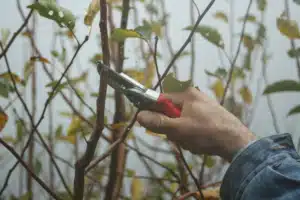
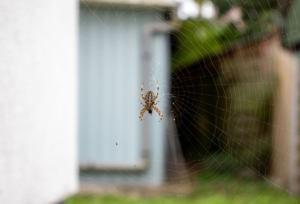
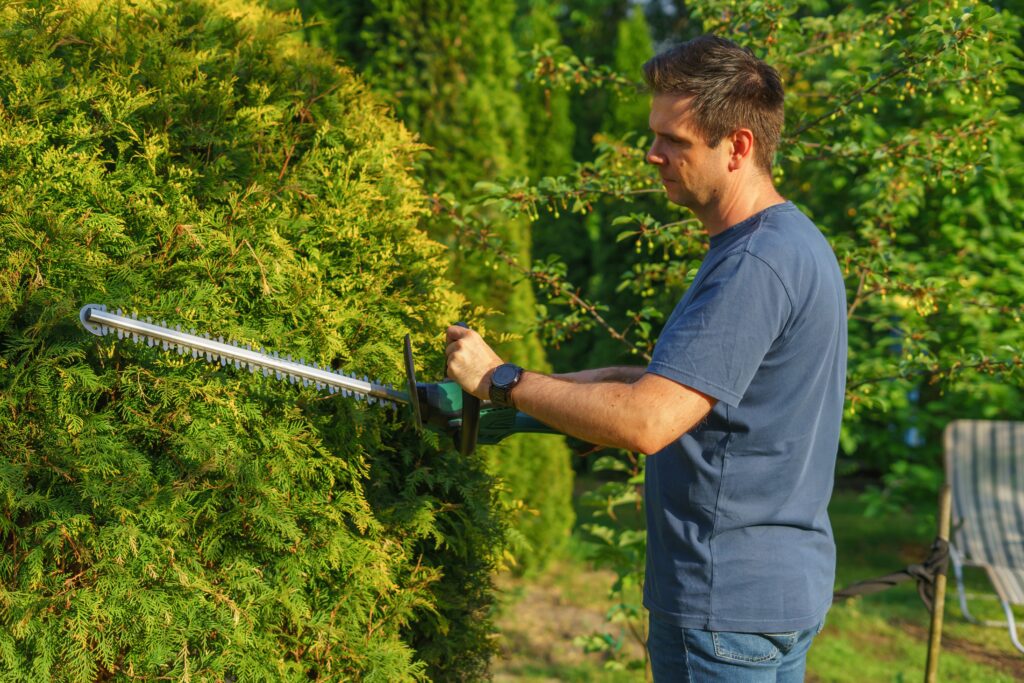
Evergreen screens, particularly arborvitae, spruce, and juniper, are prime targets for spider mites in our hot, dusty summers, and a mite infestation can brown out sections of a hedge fast. Keeping an eye out and treating early with our tree and shrub insect control service protects the investment. Light, well timed tree trimming also keeps a hedge shaped, dense, and growing right where you want the coverage, rather than getting leggy and thin at the base.
A Few Idaho Specific Tips
Before you dig, take care of the practical details. Call 811 to have underground utilities located, and check your property line and any setback or HOA rules so your screen does not become a dispute with the very neighbor you were trying to tune out. Space plants according to their mature width so they fill in without crowding into a tangled, disease prone mass. And match the plant to the spot, giving drought tolerant choices the hot, dry areas and reserving the thirstier plants for spots you can water well. Our alkaline soils and windy, dry summers reward plants chosen with Idaho conditions in mind.
When to Bring In a Pro
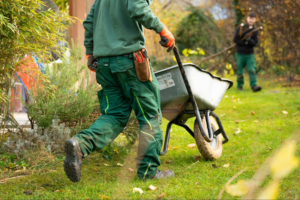
Choosing the right plants, spacing them correctly, and getting them established through their first Idaho summer makes the difference between a screen that thrives and one that struggles. If you want help selecting plants that fit your space, soil, and water, or you want a screen installed and cared for so it fills in fast, a professional takes the guesswork out. We help homeowners across Nampa and the surrounding Treasure Valley plan, plant, and maintain living privacy screens that last.
Reclaim Your Backyard Privacy
You should be able to relax in your own yard without an audience. Call Idaho Organic Solutions today at 208-884-8986 for a free consultation, and let our licensed, local team help you choose and care for the perfect trees and shrubs to block the view, the wind, and the noise. Curious how our planting and care services work? Our frequently asked questions have the details.
Frequently Asked Questions
What is the best privacy tree for Idaho?
For most homeowners, Emerald Green Arborvitae is the go to, because it forms a narrow, dense, year round green wall around twelve to fifteen feet tall without taking over the yard. For larger screens, Green Giant Arborvitae and Colorado Blue Spruce work well, and columnar junipers are excellent where you need a tough, low water option.
How fast will a privacy hedge fill in?
It depends on the plant. Fast growers like Green Giant Arborvitae and lilac can put on significant growth each year and screen fairly quickly, while spruce and some junipers are slower but sturdier. Consistent watering and good care during the first few years make a big difference in how fast a screen fills in.
Should I choose evergreen or deciduous plants for privacy?
Choose evergreen if you want to block a view every day of the year, since evergreens keep their foliage through winter. Deciduous shrubs like lilac are faster and add flowers, but they drop their leaves and open the view in winter. Many homeowners mix both for year round coverage with seasonal color.
How far apart should I plant privacy trees?
Space them based on their mature width, not their size in the pot, so they grow together into a full screen without crowding into a thin, disease prone tangle. The right spacing varies by plant, which is one reason a professional plan helps you get dense coverage without overplanting.
How do I keep my privacy hedge from turning brown?
Water consistently, especially while plants establish, and watch evergreens for spider mites, which are a common cause of browning on arborvitae and spruce in our dry summers. Early pest treatment, proper watering, and occasional shaping keep a screen full and green from top to bottom.