Every fall the same chore looms: the yard fills with leaves, and the default is to rake them, bag them, and haul them to the curb. But that hours-long job actually throws away one of the best free resources your lawn and garden will ever get. There is a smarter, easier approach that turns fallen leaves from a burden into a benefit, and it mostly means putting the rake down and reaching for the mower instead.
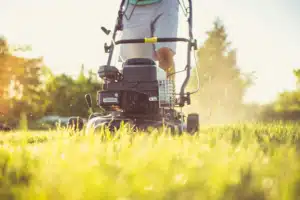
Instead of raking and bagging fallen leaves, mulch them with your lawn mower. Running the mower over a light-to-moderate leaf layer chops them into small pieces that break down into the lawn, feeding the soil with free organic matter and nutrients. Only remove leaves when they pile up thick enough to smother and mat the grass, which invites disease and dead spots. Mulched leaves are a benefit; a thick, wet leaf blanket is a problem.
Here is why mulching leaves beats raking, and how to do it right.
Why raking and bagging is a wasted effort
Bagging up leaves and sending them away is doing hard work to throw away something valuable. Fallen leaves are packed with organic matter and nutrients that trees pulled up from deep in the soil all year, and returning them to your yard feeds the soil and the lawn for free. Sending them to the curb instead means you lose all of that and often end up buying fertilizer to replace nutrients you literally raked away. Add in the hours of raking and bagging, and the traditional approach costs you time, money and soil health all at once.
The better way, mulch them with your mower
The easy alternative is to mulch the leaves in place with your lawn mower. Simply mow over the leaves, ideally with a mulching blade, and the mower chops them into small, confetti-sized pieces that settle down between the grass blades and break down over the following weeks. As they decompose, they feed the soil with organic matter, improve its structure, and release nutrients back into the lawn, essentially free, slow-release fertilizer. Done through the fall, this quietly builds healthier soil and a stronger lawn, which is the heart of an organic approach, and it turns the longest chore of autumn into a normal pass with the mower.
How to mulch leaves properly
There is a simple knack to it. Mow when the leaves are dry, since wet leaves clump and do not chop cleanly. Work over the lawn while the leaf layer is light to moderate rather than waiting for a deep pile, so make a few passes through the season as leaves fall rather than one big attempt at the end. Aim to chop the leaves down to small pieces that mostly disappear into the grass, going over them a second time if larger bits remain. When you are done, you should still be able to see the grass through the mulched pieces. If you can, a mulching mower or blade does the finest job, but any mower helps.
When leaves should be removed instead
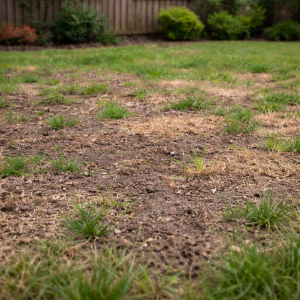
Mulching is the right answer for most leaf drop, but not all of it, and knowing the limit matters. When leaves pile up thick and heavy, more than the mower can chop into a fine layer, they should be removed rather than left, because a dense, matted blanket of leaves smothers the grass, blocks light and air, traps moisture against the lawn, and creates the damp, dark conditions that breed disease and leave dead patches by spring. So under a heavy-dropping tree, or after a big fall, take off the excess and mulch the rest. The test is simple: a light scattering that chops into the lawn is a benefit, and a thick layer that mats down and hides the grass is a problem.
Put the extra leaves to work too
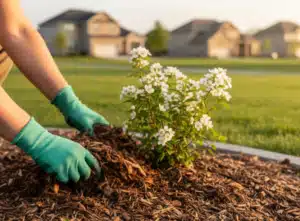
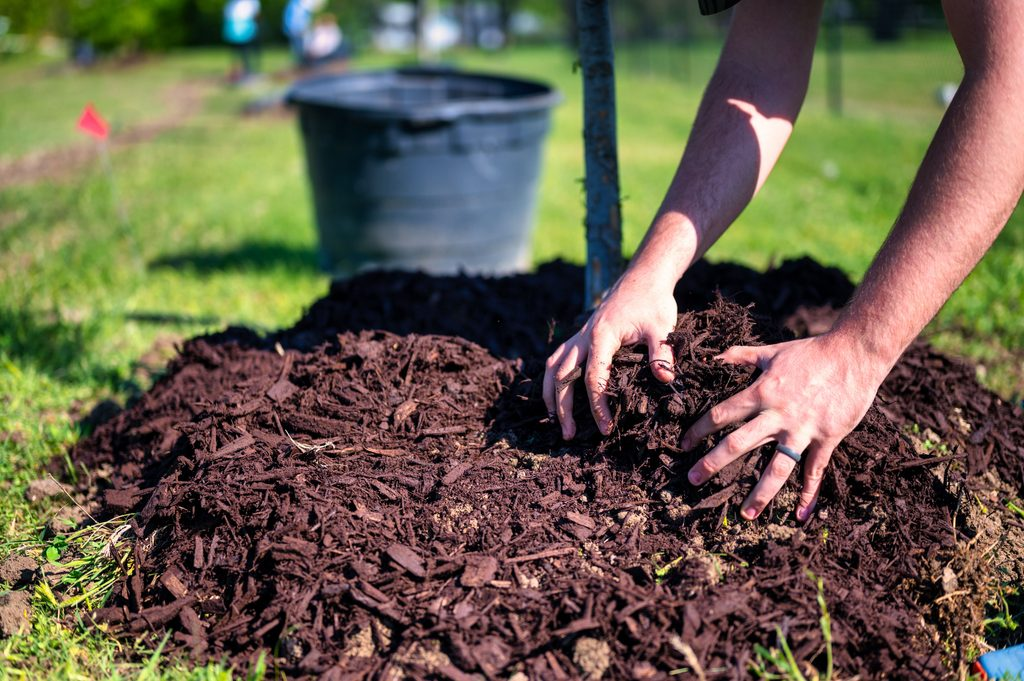
Even the leaves you do remove need not be wasted. Shredded leaves make excellent mulch for garden beds, where they suppress weeds, hold moisture and break down to enrich the soil, and they are a valuable addition to a compost pile, balancing out green material. So rather than bagging excess leaves for the curb, pile the extras onto your beds or into the compost. Between mulch-mowing the lawn and using the surplus in beds and compost, you can turn nearly the whole yard’s leaf drop into free soil-building material, which pairs perfectly with the fall feeding that sets the lawn up for spring.
Frequently Asked Questions
Should I rake leaves or mulch them?
Mulch them where you can. Running the mower over a light-to-moderate leaf layer chops them into small pieces that break down into the lawn, feeding the soil for free. Only rake and remove leaves when they pile up thick enough to smother and mat the grass.
How do I mulch leaves with a mower?
Mow over dry leaves, ideally with a mulching blade, while the layer is light to moderate rather than deep. Make a few passes through the season as leaves fall, chopping them into small pieces that settle into the grass. You should still be able to see the lawn through the mulched bits.
Are fallen leaves good for the lawn?
Yes, when mulched. Leaves are full of organic matter and nutrients, and chopped into small pieces they break down to feed the soil and the lawn, acting as free, slow-release fertilizer. The catch is that a thick, matted layer left whole smothers the grass instead.
Can too many leaves damage my lawn?
Yes. A thick, heavy blanket of leaves left on the lawn blocks light and air, traps moisture, and creates damp, dark conditions that breed disease and cause dead patches by spring. When leaves pile up beyond what the mower can finely chop, remove the excess.
What should I do with leaves I rake up?
Put them to work rather than sending them to the curb. Shredded leaves make excellent mulch for garden beds, where they suppress weeds and enrich the soil, and they are a great addition to a compost pile. Even removed leaves are a free soil-building resource.
When should I mulch leaves in Idaho?
Through the fall as the leaves drop, making a few passes rather than waiting for one big pile at the end. Mulch on dry days for a clean chop, and finish up before a heavy layer mats down over winter. It pairs well with your other fall lawn care.
Turn the fall chore into free lawn food
Mulching leaves is the rare fall job that is easier than the alternative and better for your yard. Put the rake and the bags away, run the mower over the leaves through the season, save the excess for your beds and compost, and you feed your soil for free while your neighbours haul theirs to the curb.
Organic Solutions has built healthy Treasure Valley lawns and soil for over twenty years, from Nampa and Meridian to Boise, Eagle, Kuna and beyond. To fold leaf mulching into a complete organic lawn care program that also handles aeration and fall feeding, request a free estimate or call us on 208 884 8986.