Wasps are a nuisance all summer, but there is a reason they seem to get downright hostile as the season winds down. By late summer and early fall, their colonies are at peak size and their tempers are at their shortest, which is exactly when people get stung trying to deal with a nest the wrong way. Knowing which nests you can safely handle, which you should never touch, and how to approach them makes all the difference between a solved problem and a trip to urgent care.
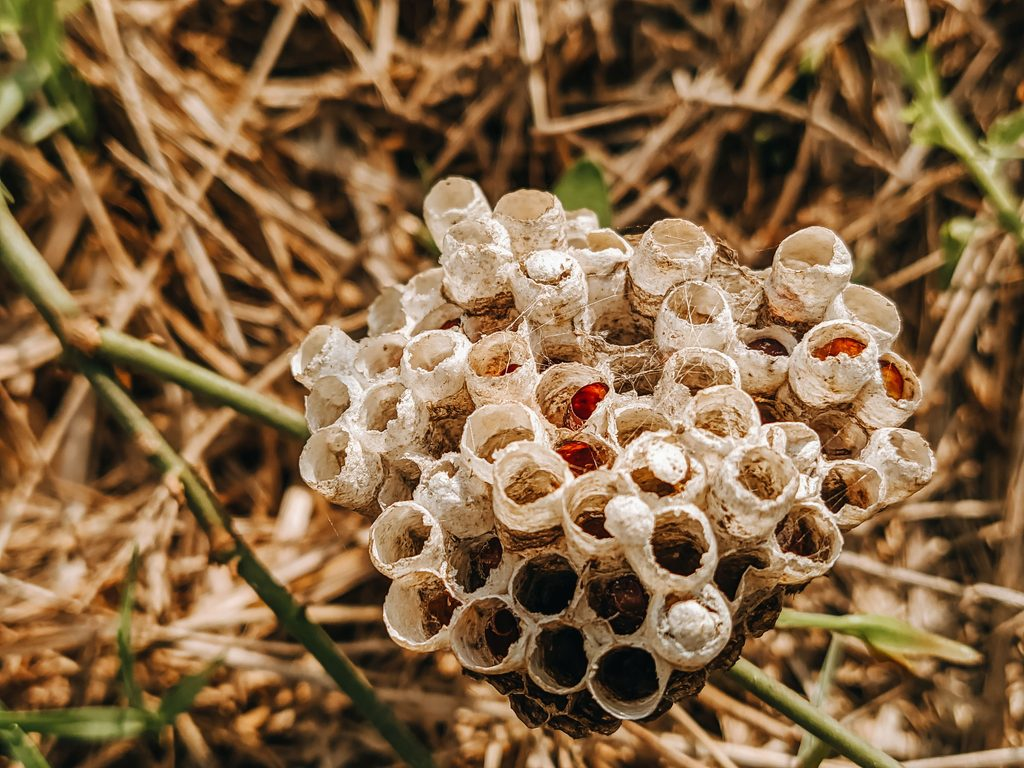
Wasps and yellowjackets are most aggressive in late summer and early fall, when colonies are largest. A small, exposed paper-wasp nest can sometimes be handled yourself, carefully and after dark, but ground nests, nests inside walls, large hornet nests, and any nest if you are allergic should be left to a professional. Never seal a nest inside a wall, and never knock one down in the daytime when wasps are active.
Here is how to deal with a wasp nest safely, and when to call in help.
Why wasps get worse in late summer
It is not your imagination. Wasp colonies grow all season, reaching their largest size and highest numbers by late summer and early fall. At the same time, their natural food sources start to run short, which sends them foraging aggressively for sugars, the reason they suddenly crash your barbecue and hover around drinks. A bigger, hungrier, more defensive colony is a far more dangerous thing to disturb than the small nest that was there in spring, which is why fall is when most stings happen.
That timing is the whole reason to act thoughtfully now rather than swatting at the problem, because a nest that was manageable in June can be a serious hazard by September.
Know what you are dealing with
Not all wasps nest the same way, and the type changes how risky removal is.
| Type | Where they nest | Risk level |
| Paper wasps | Small open umbrella-shaped nests under eaves and railings | Lower, if small and reachable |
| Yellowjackets | In the ground, wall cavities and dense shrubs, often hidden | High, aggressive and easily provoked |
| Hornets | Large enclosed aerial nests in trees and on structures | High, defensive of large colonies |
The trouble is that the most dangerous nests are often the hardest to see. A yellowjacket nest in the ground or inside a wall gives little warning until you are right on top of it, and that is exactly the kind you do not want to disturb.
What you can handle yourself
A small, exposed paper-wasp nest in an easy-to-reach spot is the one situation where careful DIY can be reasonable. If you go that route, do it after dark, when the wasps are least active and back at the nest, wear covered clothing, keep an exit route clear, and never stand directly under the nest. Treat it, then wait a full day before removing the nest to be sure the colony is gone.
Even then, stop and reconsider if the nest is high up, if it is larger than a golf ball, or if wasps are coming and going in numbers. And if you have any known allergy to stings, do not attempt it at all, because the risk is simply not worth it.
What you should never do
Some approaches turn a wasp problem into a much bigger one. Never seal up a nest inside a wall cavity, because trapped wasps will chew their way further into the wall and often into your home. Never knock a nest down or spray it in the daytime, when the colony is active and will defend itself en masse. Do not use fire or flooding, which are dangerous and usually ineffective. And never go after a ground nest or a large hornet nest yourself, since these are the ones most likely to send a swarm after you. When in doubt, back away and call a professional.
When to call a professional
Certain nests are simply a job for a pro, both for your safety and for a result that actually lasts. Call in help for any nest in the ground or inside a wall, any large hornet nest, any nest high up or hard to reach, and any situation at all if anyone in the household is allergic to stings. Our pest control team removes wasp and hornet nests safely and can treat the nests you cannot even see, including yellowjackets in the ground and in wall voids, and for nests tucked into trees and shrubs, our tree and shrub insect control handles them without you having to get near. For properties that get wasps year after year, an ongoing pest control program heads them off before they establish. We serve Nampa and the wider Treasure Valley, usually the same week.
Why the sting risk is worth respecting
It is easy to underestimate wasps, but they earn respect. Unlike a honeybee, a wasp can sting repeatedly, and a disturbed colony can deliver many stings in seconds. For most people that means pain and swelling, but for anyone with an allergy it can be a genuine emergency, and even without an allergy, a large number of stings is dangerous. Add in that fall colonies are big and defensive, and the case for caution, and for letting a professional handle anything beyond a small, simple nest, is a strong one.
Keeping wasps from nesting next year
A little prevention in spring saves a lot of trouble by fall. Early in the season, walk the property and look for the small, starter nests that a single queen builds, since dealing with one of those is far easier and safer than tackling a full colony later. Seal gaps and cracks around the eaves, soffits, vents and wall cavities where wasps love to nest, and fit screens over openings. Keep rubbish bins covered and clean, since the sugars and proteins in food waste are a magnet, and clear fallen fruit from under trees. Fixing the conditions that invite wasps, rather than only reacting to nests, is the quiet secret to a sting-free yard, and it is exactly what an ongoing program is designed to do.
Frequently Asked Questions
Why are wasps so aggressive in late summer and fall?
Because their colonies are at peak size and their natural food is running short, so they forage aggressively for sugars and defend a large nest fiercely. A fall colony is much bigger and more easily provoked than the small nest that was there in spring, which is why most stings happen now.
Can I remove a wasp nest myself?
Only a small, exposed paper-wasp nest that is easy to reach, and only carefully after dark with covered clothing and an exit route. Ground nests, wall nests, large hornet nests, high or hard-to-reach nests, and any nest at all if you are allergic should be left to a professional.
How do I get rid of a wasp nest in the ground?
Ground nests, usually yellowjackets, are among the most dangerous to disturb and are best left to a professional. They are easily provoked and can swarm, and the nest often extends further than it appears, so DIY attempts frequently end in multiple stings.
Should I seal a wasp nest inside my wall?
No, never. Trapped wasps will chew their way further into the wall and often into the living space of your home. A nest inside a wall needs to be treated and removed by a professional, not sealed shut.
Are wasp stings dangerous?
They can be. A wasp can sting repeatedly, and a disturbed colony can deliver many stings quickly. For most people this means pain and swelling, but for anyone with a sting allergy it can be a medical emergency, and a large number of stings is dangerous for anyone.
When should I call a professional for a wasp nest?
For any nest in the ground or a wall, any large hornet nest, any nest that is high or hard to reach, and any nest at all if someone in the home is allergic. A professional removes it safely and can reach nests you cannot even see.
Deal with wasps safely, not bravely
A wasp nest is not the place to be a hero, especially in the fall when the colonies are big and quick to defend. Handle only the small, simple nests, leave the rest to people with the gear and experience, and you keep your family safe from a problem that sends plenty of people to the doctor every year.
Organic Solutions has kept Treasure Valley families safe from wasps, hornets and other pests for over twenty years, from Nampa and Meridian to Boise, Eagle, Kuna and beyond. If a nest has you worried, request a free estimate or call us on 208 884 8986, and we will remove it safely, including the ones you cannot even see.