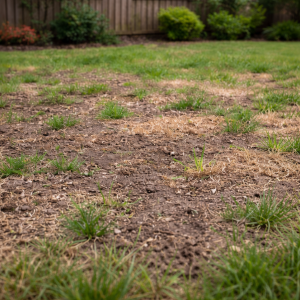
The frustrating thing about grubs is that by the time you can see the damage, it has been happening for weeks. Irregular brown patches appear in late summer, the grass in them pulls up like loose carpet, and one morning you find the lawn torn open where something has been digging overnight. Underground, beetle larvae have been quietly eating the roots out from under your grass the whole time. Catching them early is the entire game, because a grub problem spotted in time is easy to handle, and one left to run is a lawn full of dead patches.
Here is how to spot grubs before they wreck your lawn, and how to deal with them the organic, kid and pet safe way.
What grubs actually are
Grubs are the larvae of beetles, the plump, white, C-shaped creatures you find curled in the soil when you dig. In the Treasure Valley the usual culprits are the larvae of beetles like masked chafers and June beetles, along with billbugs, and there is ongoing watch for Japanese beetle in the wider area too. Whatever the species, the life cycle is similar. Adult beetles lay eggs in the lawn in mid summer, those eggs hatch, and the young grubs feed hungrily on grass roots from late summer into fall. They burrow deep to overwinter, feed briefly again in spring, then pupate into beetles and start the cycle over.
That late-summer-into-fall feeding window is when the damage shows, and it is the window that matters most for stopping them.
Why they do so much damage
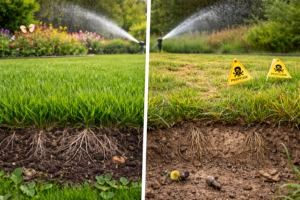
Grubs eat grass roots, and that is what makes them so destructive. Without roots, the grass cannot take up water or nutrients, so it wilts and browns even when you are watering, and it lifts away from the soil because nothing is holding it down. The classic test result is grass that peels back like a rug, because the roots that should anchor it are gone.
Then comes the second wave of damage. Skunks, raccoons and birds love to eat grubs, so a grubby lawn gets torn up night after night by animals digging for the feast. Plenty of homeowners discover their grub problem not from the brown grass, but from the mess left behind by the diggers.
The early warning signs
The whole point is to catch it before the lawn is ruined, so watch for these.
Irregular brown patches that do not green up no matter how much you water, because the problem is missing roots, not thirst. Grass that feels spongy underfoot, or that pulls up easily and rolls back with little or no root attached. Animals digging at the lawn overnight, or birds pecking at it more than usual. And a noticeable increase in beetles around the yard in summer, which are the adults laying the next generation.
If you see any of these, do the simple test. Cut three sides of a one foot square flap of turf at the edge of a suspect area, peel it back, and count the grubs in the soil. A few is normal and nothing to worry about, but somewhere around six to ten or more per square foot is the point where a healthy lawn starts to suffer and treatment is worth it. Checking rather than guessing keeps you from treating a lawn that does not need it, which is very much the organic way.
Prevention is the best grub control
The single best defence against grubs is a thick, healthy, deep-rooted lawn, because a strong lawn tolerates a level of grubs that would wreck a weak one, and it recovers faster from any feeding. Watering deeply and infrequently to build deep roots, mowing on the higher side, and not scalping the lawn all help. So does managing thatch, since a thick thatch layer gives pests a cozy place to live, which is where regular aeration and dethatching earns its keep. A lawn kept healthy through a steady care program is far less likely to ever hit a damaging grub level in the first place.
How to treat grubs organically
When grubs do cross the threshold, you do not need harsh chemicals to deal with them.
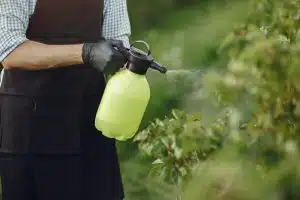
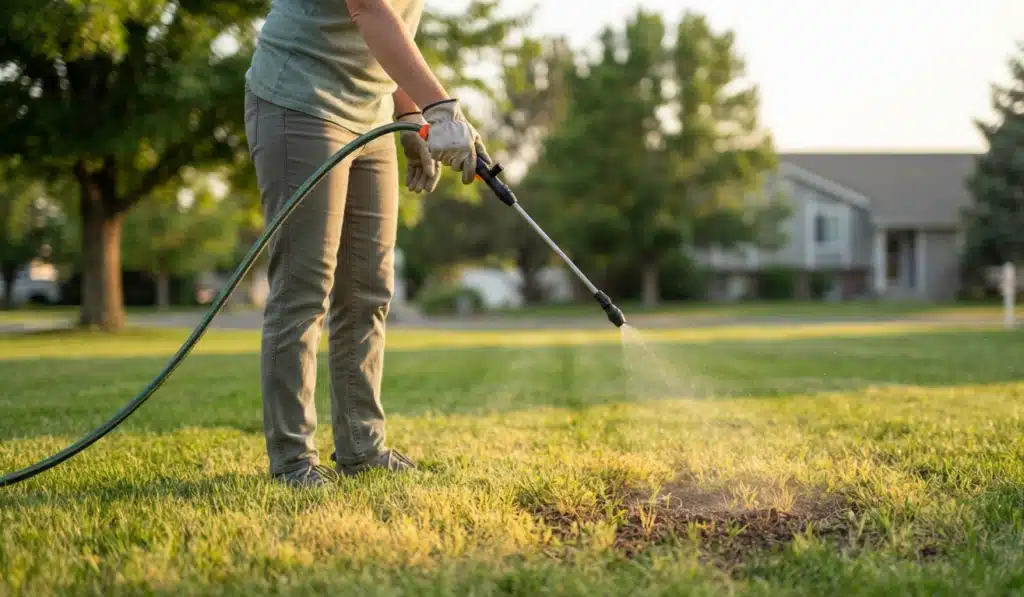
The standout organic treatment is beneficial nematodes, microscopic organisms that you water into the soil where they hunt down and kill grubs, while being completely safe for your kids, pets, earthworms and pollinators. Timing is everything with them. They work best applied in late summer when the grubs are young and feeding near the surface, put down in the evening onto moist soil so they can move and survive. Apply them when grubs are large and burrowing deep and you will be disappointed, which is exactly why early detection matters so much. There are other natural tools too, like milky spore for certain beetle species, but the theme is the same: the right treatment at the right moment beats blanket spraying every time. This is the kind of targeted, well-timed work our organic pest control is built around.
Repairing the damage
Once the grubs are handled, the dead patches will not always fill back in on their own, especially the larger ones. Rake out the dead grass, loosen the surface, and reseed the bare areas so healthy grass can move back in. Pairing treatment with overseeding turns a scarred, grub-eaten lawn back into a thick one, and a thick lawn is your best insurance against the next generation.
Grubs, or something else?
Not every brown patch is grubs, and treating for the wrong thing wastes time while the real cause carries on. The tell-tale grub sign is turf that lifts and rolls back with no roots, usually in late summer, often with overnight digging alongside it. If the roots are still firmly anchored, look elsewhere: drought and shallow watering, a fungal disease, dog urine spots, a dull mower blade shredding the grass tips, or simple heat stress can all brown a lawn without a grub in sight. The peel-back test settles it quickly, and it is the reason we always confirm grubs before treating rather than assuming. Matching the fix to the actual cause is what gets your lawn back fastest.
Frequently Asked Questions
What causes brown patches that peel up like carpet?
Grubs. When beetle larvae eat the grass roots, the turf loses its anchor and its ability to take up water, so it browns and lifts away easily. Grass that rolls back like a rug with little root attached is a classic sign of grubs.
How do I know if I have grubs in my lawn?
Look for brown patches that will not green up with watering, spongy turf, grass that pulls up easily, and animals digging at night. To confirm, peel back a one foot square of turf and count the grubs. Around six to ten or more per square foot warrants treatment.
When do grubs damage lawns in Idaho?
The worst feeding happens from late summer into fall, when the newly hatched grubs eat roots near the surface. That is also the best time to treat them, while they are young and shallow.
How do I get rid of grubs organically?
Beneficial nematodes are the standout choice, watered into moist soil in late summer to hunt and kill young grubs, and they are safe for kids, pets and beneficial insects. A thick, healthy lawn and managed thatch also keep grub numbers below damaging levels.
Will grubs come back every year?
Some beetle pressure is normal every year, but a healthy, deep-rooted lawn tolerates it without real damage. The goal is not zero grubs, it is keeping them below the level that harms the lawn, which prevention and well-timed treatment achieve.
Do I need to treat for grubs every year?
Not usually. Treat when a grub count actually crosses the damage threshold, not on a fixed schedule. Checking first means you only treat when it is needed, which is better for your lawn, your wallet and the beneficial life in your soil.
Stop grubs before they take your lawn
Grubs are beatable, and you do not need to blanket your yard in chemicals to beat them. The trick is catching them early, treating at the right moment, and keeping a lawn healthy enough to shrug off the pressure, all of which happens to be safest for the family and pets who use that lawn.
Organic Solutions has protected Treasure Valley lawns from grubs and other pests for over twenty years, from Nampa and Meridian to Boise, Eagle, Kuna and beyond. If brown patches or overnight digging have you worried, request a free estimate or call us on 208 884 8986, and we will check for grubs, treat them the organic way, and get your lawn thick and healthy again.