Idaho summers stretch out, the heat lingers into September, and then — almost without warning — the Treasure Valley gets its first hard freeze and everything you didn’t get to becomes a spring problem. Whether that’s a cracked sprinkler line, a lawn that goes into dormancy thin and stressed, or leaves matted down over grass that needed to breathe, fall prep is one of those things that pays off precisely when you’re not thinking about your yard at all.
At Idaho Organic Solutions, fall is one of our busiest seasons, and for good reason. The work you do (or don’t do) between October and the first freeze has a direct impact on how your lawn looks next April. Here’s what actually matters, in order.
Why Fall Matters So Much for Treasure Valley Lawns
Cool-season grasses — the Kentucky bluegrass, perennial ryegrass, fine fescue, and tall fescue that make up most lawns in Nampa, Meridian, Eagle, and the surrounding area — actually do a lot of their important root growth in fall. Soil temperatures are still warm enough for roots to develop, but the air has cooled enough that the grass isn’t burning energy just trying to survive the heat.
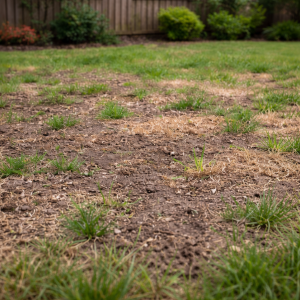
That makes fall the ideal window for renovation work. It’s the ideal time for overseeding thin areas, since soil temperatures are right for germination, and aeration at this time of year provides excellent seed-to-soil contact. A fall-specific fertilizer application also helps the lawn store energy for winter and supports stronger root development heading into the cold months.
In other words: whatever your lawn looks like going into winter dormancy is largely what it’ll look like coming out of it — minus whatever winter takes away.
The Treasure Valley Fall Checklist
Here’s a general order of operations for getting a lawn through October and into winter in good shape:
- Aerate and overseed thin areas while soil is still warm enough for germination and roots have time to establish before dormancy
- Apply a fall fertilizer to support root development and energy storage rather than top growth
- Keep mowing — don’t stop just because it’s cooling down. Grass still needs regular cuts through fall
- Rake or mulch fallen leaves regularly so they don’t mat down and smother the grass underneath
- Give the lawn one final mow slightly shorter than usual before it goes fully dormant
- Schedule your sprinkler blowout before the first hard freeze
- Clean and store mowing and lawn equipment so it’s ready to go again in spring
The One Deadline You Really Can’t Miss: Sprinkler Winterization
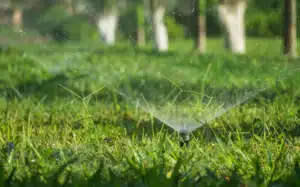
If there’s a single fall task that homeowners regret skipping, it’s this one. Idaho’s winters arrive fast, with temperatures regularly dropping below freezing from November through March, and any water left sitting in irrigation lines will freeze, expand, and crack pipes, valves, and sprinkler heads — damage that often isn’t discovered until you turn the system back on in spring.
When to Schedule It
Across the Treasure Valley, the timing guidance is pretty consistent. October 1st through November 15th is generally considered the optimal window to winterize and blow out a lawn sprinkler system in this region, with availability getting tighter as the season goes on. Boise’s first frost typically arrives in mid-to-late October, though it can come earlier in higher-elevation parts of the valley, so booking early in the window — rather than waiting until the last minute — gives you a buffer if a cold front shows up ahead of schedule.
Why “Blowing It Out” Properly Matters
A sprinkler blowout uses compressed air to push all the water out of the lines, valves, and heads. But the process matters more than people realize. A common mistake is using a standard garage air compressor, which might reach high pressure but doesn’t have the air volume (CFM) needed to actually clear the lines — and using too much pressure on a system not built for it can shatter PVC fittings and damage valves.
Professional winterization equipment is built to deliver high volume at a controlled, safe pressure, which clears water from the system without putting stress on fittings that weren’t designed for a burst of high-pressure air. This is also why backflow preventers need specific attention — proper winterization includes opening test cocks and setting valves to the correct angle so water doesn’t collect and freeze inside the device itself.
Our sprinkler blowout and winterization service handles this the right way, with equipment sized for residential systems throughout Nampa and the surrounding Treasure Valley.
What About Leaves?
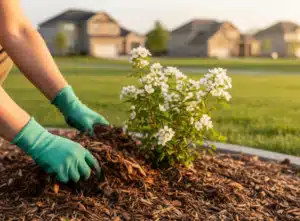
It’s tempting to let fallen leaves sit until “later,” especially once the weather turns. But a heavy, wet layer of leaves left on grass for even a couple of weeks can block sunlight and trap moisture against the turf — conditions that encourage fungal issues like snow mold over winter. The fix is simple: either mulch light leaf cover directly with the mower, or rake once the layer gets thick enough to visibly block the grass underneath.
Don’t Forget What’s Below the Surface
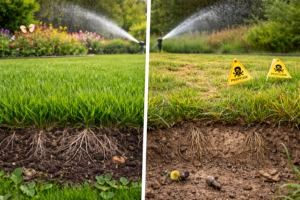
Fall fertilization gets a lot of attention, but soil structure matters just as much heading into winter. Compacted soil holds water at the surface, which can contribute to ice formation and root stress during freeze-thaw cycles. If your lawn has areas that feel hard underfoot or where water tends to pool, fall aeration — paired with dethatching if there’s a heavy thatch layer — opens up the soil so roots have room to keep developing before everything goes dormant.
Treasure Valley Fall Lawn Prep at a Glance
| Task | Ideal Timing | Why It Matters |
| Aeration & overseeding | Early-to-mid fall | Warm soil supports germination and root growth before dormancy |
| Fall fertilization | Mid fall | Builds root reserves for winter survival |
| Final mow (slightly shorter) | Late fall, before dormancy | Reduces matting and snow mold risk |
| Leaf management | Ongoing through fall | Prevents smothering and fungal issues |
| Sprinkler blowout | October 1 – November 15 | Prevents frozen pipes, cracked valves and heads |
| Equipment cleaning/storage | Late fall | Keeps gear ready for spring |
Treasure Valley Fall Lawn Prep FAQ
When should I winterize my sprinkler system in the Treasure Valley?
The general guidance across Boise, Meridian, Nampa, and surrounding areas is to schedule a blowout between October 1st and November 15th, ideally before the first hard freeze. Booking earlier in this window provides a buffer in case a cold front arrives earlier than expected.
What happens if I don’t blow out my sprinkler system before winter?
Water left in irrigation lines, valves, and sprinkler heads will freeze and expand as temperatures drop, which can crack pipes, valves, and heads. This damage is often not discovered until the system is turned back on in spring, at which point repairs can be costly.
Is it too late to overseed in the fall?
Overseeding works best while soil temperatures are still warm enough to support germination, generally early-to-mid fall. Once temperatures drop too far, seed may not establish before winter dormancy, so timing it earlier in the season gives new grass the best chance to take root.
Should I keep mowing my lawn into the fall?
Yes. Grass continues growing into fall and benefits from regular mowing right up until it goes dormant. The final cut of the season is often done slightly shorter than usual to help reduce matting and disease risk under winter snow cover.
Why does fall fertilization matter if the grass isn’t actively growing on top?
Fall fertilizer is formulated to support root development and energy storage rather than visible top growth. Strong roots heading into winter translate into a lawn that recovers faster and grows in thicker the following spring.
Let’s Get Your Lawn (and Your Sprinklers) Ready
Fall prep doesn’t have to mean a dozen separate appointments and a guessing game about timing. Idaho Organic Solutions has been handling fall lawn care and sprinkler winterization throughout Nampa, Meridian, Eagle, Caldwell, and the rest of the Treasure Valley for over 20 years, and we know exactly when our local freeze windows tend to show up. Reach out to Idaho Organic Solutions before the season gets away from you, and we’ll put together a fall plan — aeration, overseeding, fertilization, and sprinkler winterization — so your lawn (and your pipes) make it through winter in good shape.