You put the lawn to bed in good shape in the fall, the snow comes and goes over winter, and then spring arrives with ugly straw-coloured circles matted across the grass. That is snow mold, and the frustrating part is that by the time you see it, the damage is already done. The good news is that snow mold is one of the most preventable lawn diseases there is, and almost everything that stops it happens now, in the fall, before the first snow falls.
Snow mold is a fungal lawn disease that develops under snow cover and appears as matted, circular patches of dead-looking grass when the snow melts in spring. It comes in two forms, gray snow mold, which usually damages only the blades, and pink snow mold, which is more serious because it can kill the roots and crown. You prevent it in the fall by mowing the grass shorter for the final cuts, removing leaves and debris, avoiding late heavy nitrogen, and keeping thatch down, so the lawn goes into winter clean and not matted.
Here is what snow mold is, how to recognise the two types, and the fall checklist that keeps it off your Treasure Valley lawn.
What is snow mold?
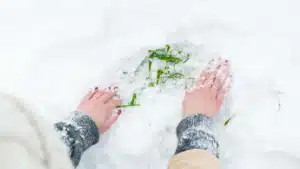
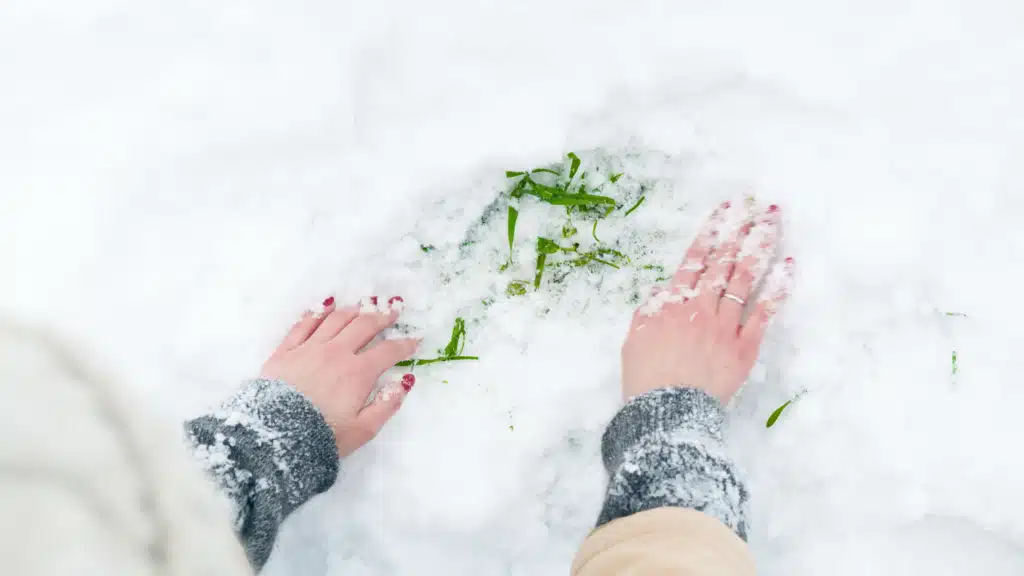
Snow mold is a cold-weather fungal disease. The fungi that cause it are active at temperatures near freezing, and they thrive in the dark, damp, airless environment created when snow sits on top of long or matted grass for weeks. Under that insulating blanket of snow, the fungus spreads across the turf, feeding on the grass, and you never see a thing until the snow melts and reveals the damage.
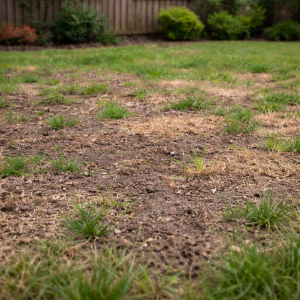
The classic sign is roughly circular patches, often a few inches to a couple of feet across, of matted, crusty, straw-coloured or grayish grass, sometimes with a faint web of fungal growth on the surface when it is still damp. Patches can run together into larger irregular areas. It is most common where snow piles deepest and melts slowest, such as the north side of the house, along shaded fences, and anywhere plowed or shovelled snow gets heaped.
Pink snow mold or gray snow mold, which is worse?
Knowing which type you are dealing with matters, because one is cosmetic and the other can genuinely kill parts of the lawn.
| Feature | Gray snow mold | Pink snow mold |
| Also called | Typhula blight | Fusarium patch, Microdochium patch |
| Needs prolonged snow cover | Yes, usually | No, can develop in cold wet weather without snow |
| Colour | Grayish white, matted | Whitish turning pink or salmon at the edges |
| Depth of damage | Usually blades only, roots survive | Can kill the crown and roots |
| Severity | Mostly cosmetic, recovers | More serious, can leave bare dead patches |
| Recovery | Often grows back with spring care | May need reseeding |
Gray snow mold is the more common and more forgiving of the two. It tends to damage only the grass blades, so the lawn usually recovers once you rake it open and growth resumes. Pink snow mold is the one to respect, because it attacks the crown and roots and can leave genuinely dead patches that need reseeding. It also does not strictly need snow, developing in cold, wet, overcast stretches, which makes it a risk during our damp, lingering Treasure Valley late winters.
Why does snow mold happen here?
A few local conditions line up to make snow mold a real risk in the valley. Our winters bring periods of lasting snow cover, especially in shaded and north-facing spots, and our late winters can be cold, grey and damp for long stretches, which is exactly what pink snow mold likes. Lawns that go into winter long, lush from a late feed, or buried under unraked leaves are the ones that suffer, because all three create the matted, airless, moist layer the fungus needs. The pattern is clear from years of seeing spring lawns across Nampa, Meridian and Boise: the lawns that were tidied and cut properly in the fall come through clean, and the ones left shaggy and leaf-covered are the ones with patches.
How do you prevent snow mold? The fall checklist
Prevention is where you win this one, and it is all about sending the lawn into winter short, clean and not matted. Do these before the first lasting snow.
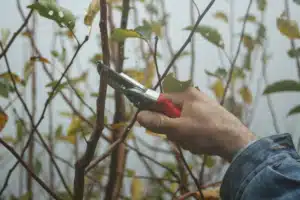
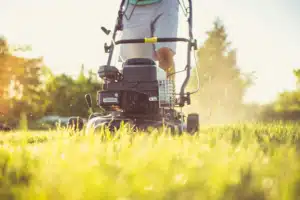
- Keep mowing until growth stops, and lower the last cuts. Long grass flattens under snow into the matted mess snow mold loves. Keep mowing through the fall as long as the grass is still growing, and drop the height on the final cut or two so the lawn goes into winter short, around two to two and a half inches. Do not scalp it, just take it lower than summer height.
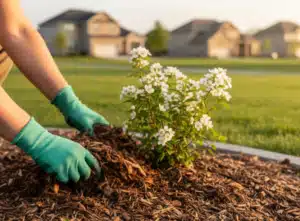
- Remove leaves and debris. A layer of wet leaves traps moisture and blocks air just like long grass does. Clear leaves, and clear them again before the snow, so nothing smothers the turf over winter.
- Go easy on late nitrogen. A heavy, fast-release nitrogen feed late in the fall pushes soft, lush growth right when you want the lawn hardening off, and that tender growth is highly prone to snow mold. A properly timed fall feeding builds roots without forcing tender top growth, which is a core part of our fertilizing program.
- Reduce thatch and compaction. A thick thatch layer holds moisture against the crowns and feeds the fungus. Fall aeration and dethatching opens the lawn up, improves drainage and airflow, and removes the damp mat snow mold depends on.
- Do not pile snow on the lawn. Where you can, avoid heaping shovelled or plowed snow onto the same spot on the grass, because the deepest, slowest-melting piles are where the worst patches form.
What do you do if you already have snow mold in spring?
If the snow melts and reveals patches, do not panic, because most snow mold, especially gray, recovers with the right spring touch.
Start by gently raking the matted patches to lift and separate the crusted grass blades. This lets air and sunlight back in, dries the area out, and interrupts the fungus, and often the grass underneath is still alive and greens up as it warms. Hold off on heavy watering in those spots so they can dry. Keep mowing as the lawn wakes up, which stimulates recovery. For patches that turn out to be genuinely dead, usually pink snow mold damage to the crown, overseed once the soil warms to fill them back in. A spring assessment tells you quickly which patches will bounce back and which need reseeding.
The organic angle
Snow mold is a case where good cultural practices do most of the heavy lifting, which fits an organic approach perfectly. The real prevention is not spraying fungicide across the whole lawn every fall, it is managing the lawn so the fungus never gets the conditions it needs, with proper mowing, leaf removal, sensible feeding and reduced thatch. A healthy, well-drained lawn with strong roots and low thatch simply resists snow mold far better than a neglected one, and it does so without harsh chemicals in a yard where kids and pets play. That resilience is exactly what a season-long, soil-first program builds.
Frequently Asked Questions
What is snow mold on a lawn?
Snow mold is a fungal disease that grows under snow cover in cold, damp, airless conditions and appears as matted, circular straw-coloured or grayish patches when the snow melts in spring. There are two types, gray and pink, with pink being the more damaging because it can kill the roots.
How do I prevent snow mold?
Send the lawn into winter short and clean. Keep mowing through the fall and lower the final cuts, remove leaves and debris, avoid heavy fast-release nitrogen late in the season, reduce thatch with fall aeration, and avoid piling snow on the same spot. These steps remove the matted, damp conditions the fungus needs.
Will my lawn recover from snow mold?
Usually, yes, especially with gray snow mold, which typically damages only the blades. Rake the matted patches open in spring to let in air and light, and the grass often greens back up. Pink snow mold can kill the crown and roots, leaving dead patches that need overseeding.
What is the difference between pink and gray snow mold?
Gray snow mold needs prolonged snow cover and usually damages only the grass blades, so it is mostly cosmetic. Pink snow mold can develop in cold wet weather even without snow and attacks the crown and roots, making it more serious and more likely to leave bare dead spots.
Should I mow my lawn short before winter to prevent snow mold?
Yes, lower your final cut or two so the lawn goes into winter around two to two and a half inches, which stops the grass matting under snow. Do not scalp it to the dirt, as that stresses the lawn. The goal is short and tidy, not bare.
Is snow mold harmful to pets or people?
Snow mold is primarily a lawn problem rather than a serious health hazard, but the spores can bother people with mold allergies or asthma when raking affected areas in spring. Wearing a dust mask while raking out patches is a sensible precaution.
Beat snow mold before the snow even falls
Snow mold is a spring headache written in the fall. Everything that decides whether your lawn emerges clean or patched happens now, with a few short final mows, clear leaves, the right feed and a lawn that is not choked with thatch. Set it up properly before winter and you simply skip the problem.
Organic Solutions has helped Treasure Valley lawns come through winter healthy for over twenty years, from Nampa and Meridian to Boise, Eagle and Kuna. Our lawn care program builds the fall mowing, feeding and aeration that keep snow mold away. Request a free estimate or call 208 884 8986, and we will get your lawn winter-ready.