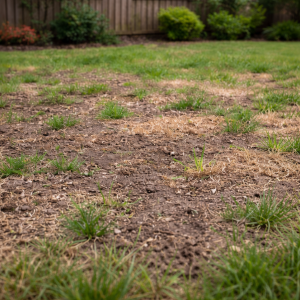
You planted the apple, cherry or peach tree dreaming of homegrown fruit, and then you bit into a wormy apple, or watched the peach leaves pucker and drop, and wondered where it all went wrong. Here is the secret almost nobody tells backyard growers: clean fruit is not about spraying more, it is about spraying at exactly the right moments. Every pest and disease has a window when it is vulnerable, and if you hit those windows you can grow beautiful fruit with only a handful of well-timed sprays. Miss them, and no amount of spraying later will save the crop.
Here is when to spray your Idaho fruit trees, stage by stage, so the pests never get the jump on you.
Why timing beats frequency
Spraying on a random schedule, or in a panic when you see damage, mostly wastes product and harms the good insects without touching the pest you are worried about. That is because fruit tree pests move through a life cycle, and there is a narrow window each season when a spray actually stops them. Line your treatments up with the tree’s growth stages, which track those pest windows, and you work with the biology instead of against it. Fewer sprays, better fruit, and far less collateral damage to the bees and beneficial insects doing you favours.
The Idaho fruit tree spray timeline
Because our seasons shift a little year to year, go by what the tree is doing rather than the calendar date.
Dormant, late winter before the buds swell. This is the most important spray of the whole year. A dormant oil coats and smothers the aphids, mites and scale insects overwintering on the bark before they ever wake up. On peaches and nectarines, this is also your one and only chance to prevent peach leaf curl with a copper spray, because once the buds swell it is too late to stop it for that season.
Bud break and green tip. As the first green appears, wet springs raise the risk of diseases like apple scab, so this is the stage to protect against fungal problems if your trees are prone to them.
Pink, just before bloom. The last window to treat before the flowers open, and the moment to get ready for the season ahead.
Bloom, and the one hard rule. Do not spray insecticides while the tree is in flower. This is the rule that protects the bees pollinating your fruit, and breaking it can cost you both the pollinators and the crop. If the tree is flowering, you wait.
Petal fall, the key pest window. Once about ninety percent of the petals have dropped, the flowers are done and the most important insect spray of the year begins. This is when you start protecting against codling moth, the pest behind the worm in the apple, and the timing here makes or breaks your apple and pear harvest.
Summer cover sprays. Through the warm months, follow-up sprays are timed to the codling moth’s generations, and to pests like cherry fruit fly on cherries as the fruit colours. Monitoring with pheromone traps takes the guesswork out of exactly when.
Harvest and fall cleanup. After the fruit is in, raking up fallen fruit and leaves removes the pests and diseases that would otherwise overwinter, which quietly reduces how much you need to spray next year.
The codling moth, Idaho’s number one fruit pest
If you grow apples or pears in the Treasure Valley, the codling moth is the pest you are really fighting. It is the caterpillar that tunnels into the fruit and leaves that grub-ridden mess when you cut an apple open. The moths emerge around bloom, and the eggs start hatching at petal fall, which is exactly why that window matters so much. There are usually two or more generations through the summer, so a single spray is never enough on its own. The organic-minded approach leans on timing above all, backed by pheromone traps to pinpoint the sprays, organic-approved products, and sanitation to break the cycle. Get the timing right and codling moth goes from ruining most of your apples to barely touching them.
Doing it the organic, family safe way
You can grow clean fruit without dousing your yard in harsh chemicals, and the tools to do it are well established. Dormant and horticultural oils, copper for disease, and organic-approved insect treatments handle most of what a backyard orchard throws at you. Good timing and monitoring mean you spray less overall. Protecting pollinators by never spraying open blooms keeps your fruit set strong. And simple sanitation, clearing fallen fruit and leaves, cuts the pest pressure before it starts.
For trees that are large, stubborn or under heavy pressure, there are professional tools beyond a homeowner’s sprayer, including systemic tree injections that treat a tree from the inside without drift, and proper tree and shrub insect control for problems that a single spray will not fix. Keeping the tree itself healthy through good tree care also makes it far more able to shrug off pests in the first place.
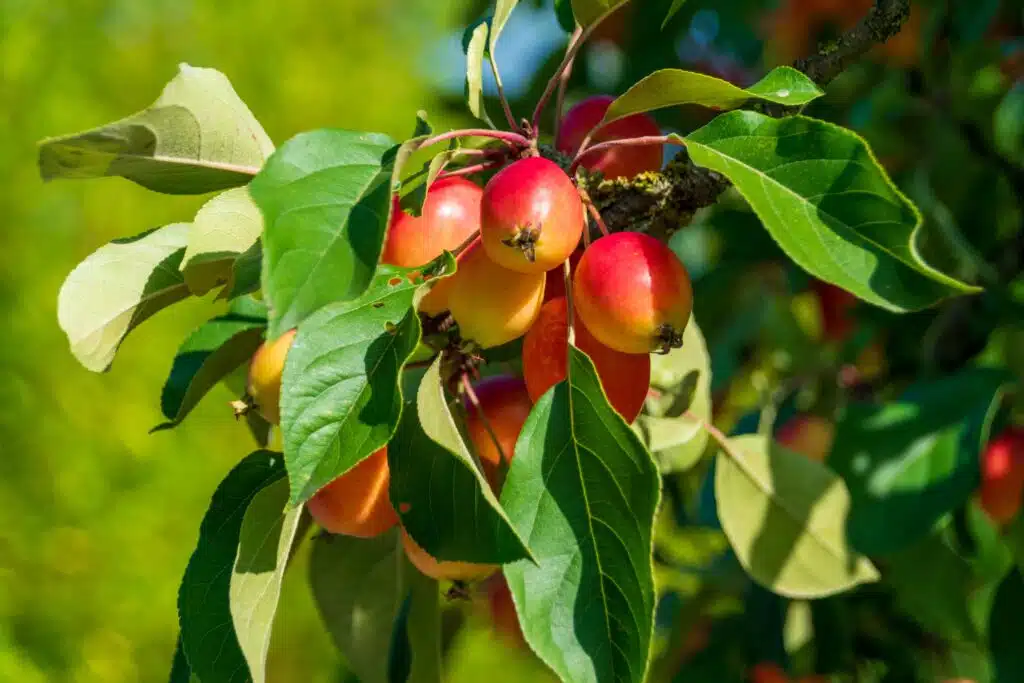
Why timing is worth handing to a pro
The catch with all of this is that the windows are short and they move with the weather, so getting them exactly right takes attention most busy homeowners cannot spare. A professional watches the growth stages and the pest cycles, sprays at the precise moment with the right organic-approved product, and reaches the tops of tall trees safely. That is the difference between spraying a lot and hoping, and spraying a little and actually getting clean fruit, which is what our fruit tree spraying service is built to deliver.
Frequently Asked Questions
When should I spray fruit trees in Idaho?
Go by growth stage, not date. The key sprays are a dormant oil in late winter before buds swell, disease protection at bud break if needed, the codling moth spray at petal fall, cover sprays through summer, and fall cleanup. Never spray insecticides during bloom.
What is a dormant spray and why does it matter?
A dormant spray is a horticultural oil, sometimes with copper, applied in late winter before the buds swell. It smothers overwintering aphids, mites and scale, and on peaches it is the only chance to prevent peach leaf curl for the year. It is the most important spray of the season.
When do I spray for codling moth, the worms in apples?
Start at petal fall, once about ninety percent of the flower petals have dropped and the eggs begin to hatch, then continue with cover sprays through summer for the following generations. Pheromone traps help pinpoint the exact timing.
Can I spray fruit trees while they are blooming?
No. Never spray insecticides on open blooms, because it kills the bees pollinating your fruit and can cost you the crop. If the tree is flowering, wait until petal fall.
How do I get rid of worms in apples organically?
Time your sprays to the codling moth, starting at petal fall, use pheromone traps to monitor, choose organic-approved products, and keep the ground clear of fallen fruit. Well-timed treatment plus sanitation is what keeps apples clean without harsh chemicals.
Do I really have to spray fruit trees?
If you want clean, edible fruit from apples, pears, cherries or peaches in the Treasure Valley, some well-timed treatment is usually necessary because of pests like codling moth. The good news is that hitting the right windows means far fewer sprays than most people expect.
Grow the fruit you planted the tree for
A backyard fruit tree can absolutely deliver clean, delicious fruit, but only if the pests are stopped at the right moments rather than chased after the damage is done. Done well, and done organically, it takes surprisingly little spraying and keeps your yard safe for your family, your pets and the bees.
Organic Solutions has kept Treasure Valley trees healthy and productive for over twenty years, from Nampa and Meridian to Boise, Eagle, Kuna and beyond. If your fruit trees are more trouble than harvest, request a free estimate or call us on 208 884 8986, and we will build a spray timing plan that finally gets you the fruit you planted the tree for.