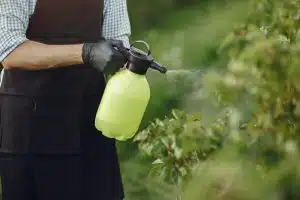
Organic pest control has become an increasingly popular choice for homeowners across Idaho, especially in areas like Nampa, Boise, and the wider Treasure Valley. As more people look for safer and more sustainable ways to care for their lawns, one question comes up repeatedly: are organic pest control methods actually effective?
The answer is yes. However, organic pest control works differently from traditional chemical treatments. Instead of delivering instant results, it focuses on long-term prevention, healthier soil, and stronger lawns that naturally resist pests.
Understanding this difference is key to setting the right expectations and getting the best results.
Understanding How Organic Pest Control Works
Organic pest control is based on building a healthy lawn ecosystem rather than simply reacting to pest problems. Instead of using harsh synthetic chemicals to kill insects on contact, this approach strengthens the conditions that make it difficult for pests to survive.
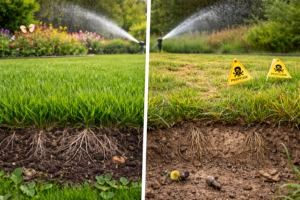
At the core of this method is soil health. Healthy soil contains beneficial microorganisms that support plant growth, improve nutrient availability, and help regulate pest populations naturally. When your lawn is supported by a strong soil ecosystem, it becomes more resilient to stress, disease, and insect damage.
Rather than offering a quick fix, organic pest control creates lasting improvement by addressing the root cause of pest problems.
Why Pest Problems Develop in Lawns
Pest infestations are rarely random. In most cases, they are a sign that something in the lawn environment is out of balance.
Poor Soil Health
When soil lacks organic matter and essential nutrients, grass struggles to grow strong roots. Weak turf becomes an easy target for pests because it cannot defend itself effectively.
Improper Watering Practices
Overwatering creates damp conditions that attract insects and promote disease, while inconsistent watering weakens root systems. Both situations increase the likelihood of pest activity.
Excessive Chemical Use
Frequent use of chemical treatments can disrupt the natural balance of the lawn. While these products may eliminate pests temporarily, they often kill beneficial organisms as well, making the lawn more vulnerable in the long run.
A structured lawn care program helps correct these underlying issues and significantly reduces the chances of recurring pest problems.
Types of Organic Pest Control Methods
Organic pest control uses a combination of strategies rather than relying on a single solution. These methods work together to create a balanced and resilient lawn.
Biological Control
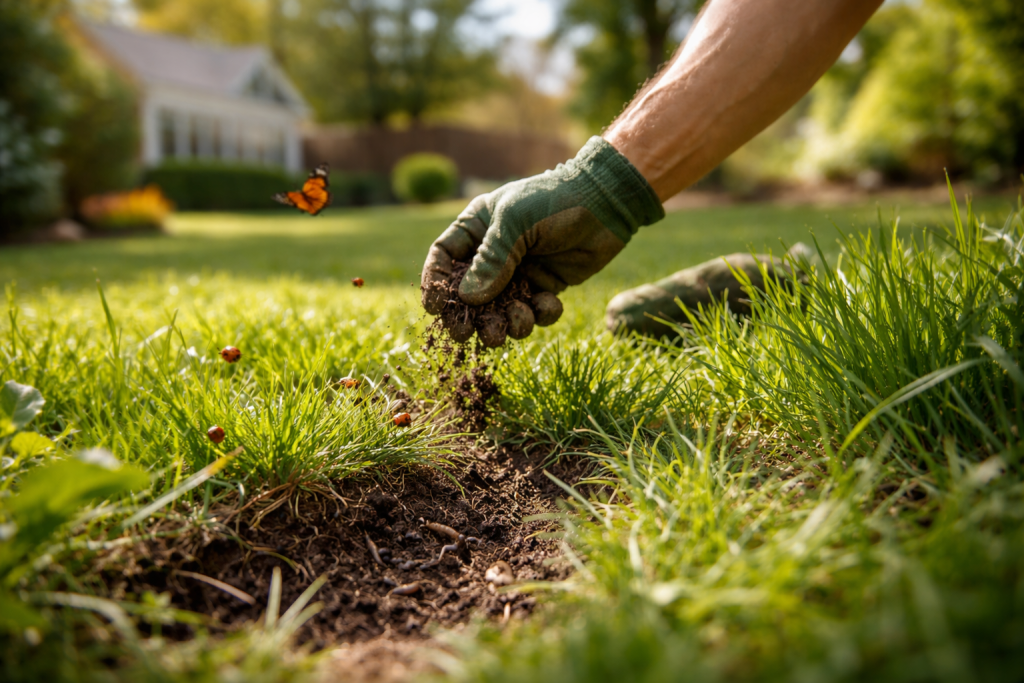
Beneficial insects such as ladybugs and nematodes play a key role in controlling pest populations. These natural predators feed on harmful insects, helping keep their numbers under control without the need for chemical treatments.
Soil Health Improvement
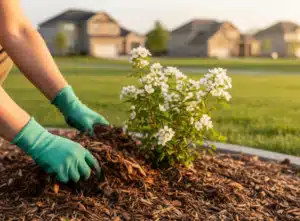
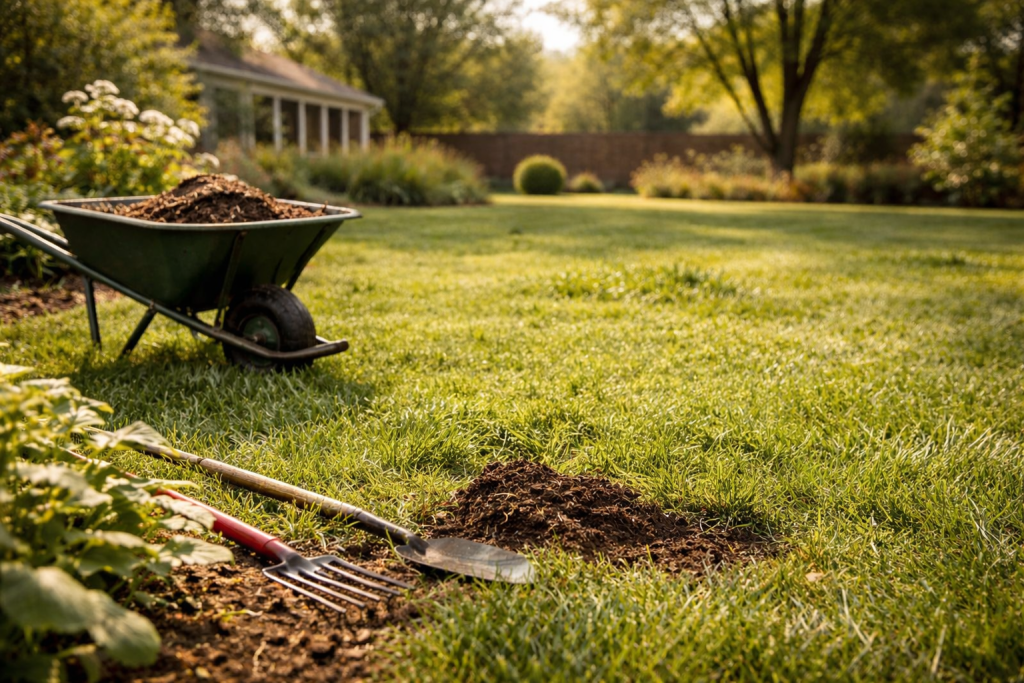
Improving soil quality is one of the most effective ways to prevent pests. Compost, organic fertilizers, and aeration all contribute to stronger root systems and healthier turf. A healthy lawn is naturally more resistant to pest damage.
Targeted Organic Treatments
When pest activity becomes noticeable, targeted treatments can be applied to affected areas. These solutions are designed to manage pests without harming beneficial organisms or disrupting the soil ecosystem.
For consistent results throughout the season, many homeowners rely on a dedicated pest control program that combines these approaches.
How Long Does Organic Pest Control Take to Work?
One of the most important differences between organic and chemical pest control is the timeline.
Chemical treatments often provide fast results, but these effects are usually temporary. Organic methods take longer to show visible changes, but they create lasting improvements.
During the first few weeks, you may notice gradual improvements such as better lawn colour and reduced pest activity. As the season progresses, soil health improves and beneficial organisms become more active.
By the end of the growing season, most lawns show stronger resistance to pests. Over time, this leads to fewer infestations and reduced need for ongoing treatments.
Why Organic Pest Control Becomes More Effective Over Time
Organic pest control is not just effective it becomes more effective the longer it is used.
As soil health improves, grass develops deeper root systems that allow it to access nutrients and moisture more efficiently. This reduces stress and makes the lawn less attractive to pests.
At the same time, beneficial insects and microorganisms become more active, helping regulate pest populations naturally. This creates a stable ecosystem where pests are less likely to thrive.
Over time, homeowners often notice fewer pest problems and lower maintenance requirements compared to chemical-based approaches.
Organic vs Chemical Pest Control
The main difference between organic and chemical pest control lies in how each approach manages pests.
Chemical treatments are designed for immediate impact. They can quickly reduce pest populations, but they often require repeated applications and may weaken the overall health of the lawn.
Organic methods focus on long-term results. Instead of repeatedly treating symptoms, they improve the lawn’s ability to resist pests naturally.
While chemical solutions may appear more effective in the short term, organic pest control often provides more consistent and sustainable results over time.
Can Organic Pest Control Handle Severe Infestations?
Organic pest control can handle severe infestations, but it requires a different approach.
In lawns with heavy pest activity or a long history of chemical use, the transition period may take longer. The first season may involve some continued pest activity as the lawn begins to recover.
However, as soil health improves and beneficial organisms return, pest populations typically decline. By the second season, most lawns show significant improvement and require less intervention.
Integrating Pest Control with Overall Lawn Care
Pest control works best when it is part of a complete lawn care strategy rather than a standalone service.
Practices such as proper mowing height, deep watering, and seasonal fertilization all contribute to a healthier lawn. These factors reduce stress and improve the lawn’s natural resistance to pests.
Combining pest control with a full lawn care service ensures that every aspect of lawn health is addressed, leading to better long-term results.
Seasonal Considerations in Idaho
Idaho’s climate plays a major role in how pest control should be managed.
In spring, pest activity begins to increase, making early prevention important. Summer heat can stress lawns, making proper watering and maintenance essential. Fall is a key time for strengthening the lawn and preparing it for the next season.
Understanding these seasonal patterns allows for better timing of treatments and more effective pest control overall.
Common Signs Your Lawn Needs Pest Control
Recognising early warning signs can help prevent more serious damage.
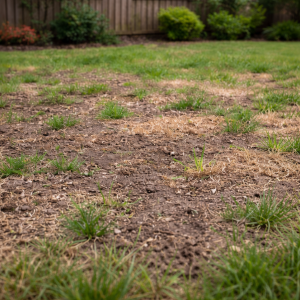
Irregular brown patches may indicate root damage caused by insects. Increased bird activity can suggest pests beneath the soil, as birds search for food. Thinning or uneven grass may also point to pest activity or poor soil conditions.
Addressing these signs early helps protect your lawn and reduces the need for more intensive treatments later.
Environmental and Safety Benefits
Organic pest control offers important benefits beyond lawn appearance.
It reduces exposure to harsh chemicals, making it a safer option for families and pets. It also supports beneficial insects and helps protect local water systems from chemical runoff.
For homeowners who want a healthier outdoor space, organic methods provide both environmental and practical advantages.
FAQs
Are organic pest control methods really effective?
Yes. Organic pest control is effective when used consistently and as part of a complete lawn care strategy focused on long-term health.
How long does it take to see results?
Most homeowners notice improvements within a few weeks, with stronger results developing over a full growing season.
Will organic pest control eliminate all pests?
No. The goal is to manage pest populations and prevent damage rather than eliminate every insect.
Is organic pest control safer for pets and children?
Yes. Organic methods avoid harsh synthetic chemicals and are generally safer for families and pets.
Can I switch from chemical to organic pest control?
Yes. Many homeowners successfully transition, although the first season may require some patience as the lawn adjusts.
Build a Healthier Lawn with Organic Pest Control
Organic pest control methods are effective, but they require a different mindset. Instead of focusing on quick fixes, they prioritise long-term lawn health and sustainability.
For Idaho homeowners, this approach works especially well. By improving soil health, strengthening grass, and supporting natural pest control systems, organic methods create lawns that are more resilient and easier to maintain.
If you are ready to take a long-term approach to lawn care, the team at Idaho Organic Solutions can help. Our professionals provide tailored pest control and lawn care programs designed specifically for Idaho’s climate and soil conditions. Contact us today to schedule an assessment and start building a healthier, more resilient lawn.