Switching to organic lawn care is one of the best long-term investments you can make for your lawn. Instead of relying on synthetic fertilizers and chemical treatments, organic lawn care focuses on improving soil health, encouraging beneficial microorganisms, and building a stronger, more resilient lawn over time.
However, organic lawn care works differently from traditional chemical programs. Results do not happen overnight because the goal is to improve the soil ecosystem rather than simply force rapid grass growth.
For homeowners in Nampa and throughout the Treasure Valley, understanding what to expect during the first year of organic lawn care helps set realistic expectations and ensures the transition is successful.
Why Organic Lawn Care Takes Time
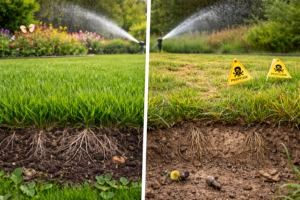
Traditional lawn treatments often produce fast, eye-catching results because synthetic fertilizers push grass to grow quickly. While this can create a bright green lawn almost immediately, it does little to improve the soil underneath. Over time, lawns treated this way can become weaker, more prone to drought, and susceptible to pests and disease because the root systems remain shallow and the soil ecosystem is neglected.
Organic lawn care, on the other hand, focuses on strengthening soil biology rather than forcing rapid growth. Beneficial microbes, organic matter, and naturally derived nutrients gradually improve soil structure, nutrient retention, and overall soil health. As the soil ecosystem stabilizes, grass becomes thicker, develops deeper roots, and grows more resilient to environmental stress, including heat, drought, and common lawn pests.
Because these improvements occur primarily beneath the surface, visible results often take time to appear. Homeowners may notice subtle changes early on, such as slightly greener blades or thicker patches, but the full benefits typically unfold over the course of the first year. Partnering with a professional organic lawn care service like Idaho Organic Solutions can help guide the process, ensuring treatments are applied correctly and at the right intervals for the local Nampa climate.
Months 1–3: Soil Preparation and Early Changes
The first three months of an organic lawn care program focus on improving soil conditions, which sets the foundation for healthier grass throughout the year. Many lawns in Nampa struggle with compacted soil, low organic matter, and nutrient imbalances, all of which can prevent grass from thriving naturally.
During this initial phase, treatments may include:
- Soil testing to evaluate nutrient levels and identify deficiencies
- Organic fertilizer applications to gently nourish the grass without burning roots
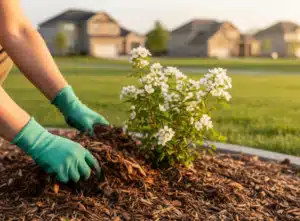
- Compost or organic soil amendments to improve structure and moisture retention
- Aeration to reduce compaction and encourage deeper root growth
These practices begin restoring the soil’s natural balance. Homeowners may start noticing subtle improvements, such as a slightly thicker lawn, greener blades, or improved soil texture.
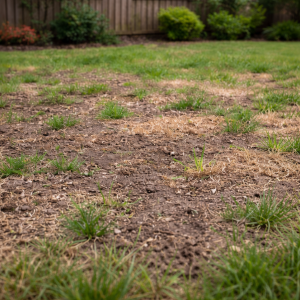
However, some lawns may also experience increased weed activity during the early transition period. This is normal because as soil conditions change, existing weed seeds may germinate before thicker grass begins crowding them out, and this is exactly when weed control becomes important to keep invasive plants from gaining a foothold.
As soil conditions improve, dormant weed seeds may germinate before the stronger grass begins to crowd them out naturally. This is a temporary phase and part of the transition to a healthier, more resilient lawn.

Months 4–6: Stronger Growth and Root Development
By mid-season, organic treatments begin producing more visible and measurable improvements. Grass typically becomes denser, develops stronger root systems, and shows more uniform green coloration across the lawn.
Healthy soil now supports deeper roots, allowing grass to access moisture and nutrients more efficiently. This deep-rooting improves resilience during the hot, dry summer months common in Nampa and the Treasure Valley.
During this stage, homeowners may notice:
- Improved lawn density and coverage
- More consistent green color throughout the yard
- Reduction in bare or thinning spots
- Increased drought tolerance and overall lawn vigor
Organic fertilizers release nutrients slowly, supporting steady growth rather than the rapid, high-maintenance bursts common with chemical fertilizers. Grass grows at a sustainable rate, reducing the need for frequent mowing and supplemental inputs. Professional organic lawn care programs ensure treatments are timed correctly to maximize growth during this crucial root development period.
Months 7–9: Improved Soil Health and Weed Reduction
As the soil ecosystem continues to mature, the lawn becomes more competitive against weeds and other invasive plants. Thick, healthy grass crowds out many common weeds naturally, reducing the need for chemical weed control.
By late summer and early fall, homeowners often notice:
- Fewer weeds and improved turf coverage
- Enhanced soil structure with richer organic matter
- Beneficial microorganisms actively improving nutrient cycling
Seasonal treatments during this stage, such as fall fertilization or aeration, help prepare the lawn for winter dormancy while continuing to support long-term soil health. Organic practices at this stage help the lawn retain moisture more effectively, even during the drier months of the Treasure Valley.
Months 10–12: Long-Term Lawn Stability
By the end of the first year, the full benefits of organic lawn care begin to solidify. The soil ecosystem is more balanced, allowing grass to grow more consistently with fewer interventions.
Homeowners can expect to see:
- Stronger, deeper root systems
- Reduced weed pressure without chemical treatments
- Improved drought and heat resistance
- Healthier, more resilient soil structure
While the lawn may not yet be perfect, the foundation for long-term success is now firmly in place. Continuing with a professional organic lawn care program ensures that these benefits persist and improve year after year.
The Second Year and Beyond
The second year is often when the biggest visible improvements occur. As soil biology continues to strengthen, lawns become more self-sustaining and require fewer interventions. Over time, organic lawns typically become:
- More resistant to pests and disease
- Less dependent on frequent watering
- More durable during periods of heat, drought, or heavy foot traffic
This gradual improvement is one of the main reasons many homeowners choose organic lawn care programs. A professional year-round maintenance plan can help monitor progress, adjust treatments, and maintain optimal soil and grass health.
Why Organic Lawn Care Works Well in Idaho
Nampa and the broader Treasure Valley present unique challenges for lawns. Hot summers, limited rainfall, alkaline soil, and compacted areas can make it difficult for grass to thrive under conventional chemical programs.
Organic lawn care improves soil structure and moisture retention, helping grass survive Idaho’s dry conditions more effectively. Healthier soil encourages deeper root growth, which allows lawns to tolerate heat stress and drought more easily. For homeowners seeking a sustainable, environmentally friendly approach, organic lawn care is often the most effective way to maintain a lush, healthy lawn throughout the year.
Tips for a Successful Organic Transition
Homeowners switching to organic lawn care can maximize results by following a few best practices:
Be Patient
Organic lawn care focuses on long-term soil health rather than quick fixes. While improvements may start in the first year, the most dramatic changes often appear during the second year.
Water Properly
Deep, infrequent watering encourages strong root development. Overwatering or shallow watering can weaken grass and reduce the benefits of organic treatments. Professional irrigation guidance can help homeowners determine the ideal watering schedule for their soil type and grass variety.
Mow at the Right Height
Keeping grass slightly taller helps shade the soil and reduce moisture loss. Taller grass also encourages root growth and improves natural weed resistance.
Maintain a Consistent Program
Organic lawn care works best when treatments are applied consistently throughout the growing season. A professional organic lawn care schedule ensures timely applications of fertilizer, soil amendments, and aeration, supporting healthy, long-term lawn growth.
FAQs
How long does organic lawn care take to work?
Many homeowners see initial improvements within the first few months, but the most noticeable results usually occur after the first full year.
Will my lawn look worse before it improves?
Some lawns experience temporary weed growth or uneven appearance during the early transition phase. This typically improves as grass becomes thicker and healthier.
Is organic lawn care more expensive?
Costs are often comparable to traditional lawn care programs. However, organic lawns typically require fewer chemical treatments over time.
Can organic lawn care control weeds?
Yes. Healthy grass naturally competes with weeds by growing thicker and stronger. Over time, many weeds decline as lawn density improves.
Does organic lawn care help with drought resistance?
Yes. Organic soil improvements support deeper roots and better moisture retention, which helps lawns tolerate drought conditions.
Start Building a Healthier Lawn
Transitioning to organic lawn care takes time, but the long-term benefits are worth it. By improving soil health and encouraging natural lawn resilience, organic programs create stronger, healthier lawns that require fewer chemical inputs.
If you are considering organic lawn care for your property, the team at Idaho Organic Solutions can help guide the transition.
If you’d like to learn more about our services or schedule an assessment, feel free to contact our team. We’re happy to help you build a healthier lawn for the long term.