Brown spots are one of the most common lawn problems homeowners notice during the growing season. Across the Treasure Valley, lawns in cities like Nampa, Boise, Meridian, and Caldwell often develop dry or discolored patches during summer when temperatures rise and rainfall becomes limited.
While brown spots may look alarming, they usually indicate that something in the lawn’s environment is out of balance. In many cases, the issue is related to watering habits, soil conditions, heat stress, or pest activity. By identifying the cause early, homeowners can take the right steps to restore healthy grass before the damage spreads.
Understanding the most common causes of brown spots in Idaho lawns can help prevent long-term lawn damage and keep your yard looking green and healthy throughout the season.
Heat and Drought Stress
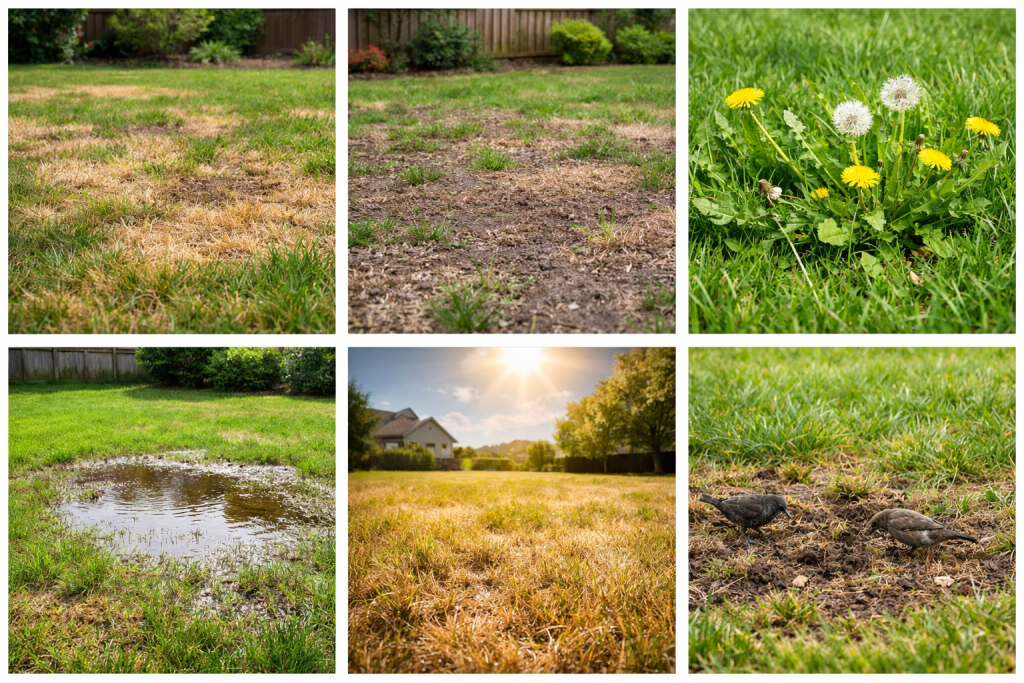
Heat stress is one of the most frequent reasons lawns develop brown patches in Idaho. Summers in the Treasure Valley are hot and dry, and grass can struggle to maintain moisture when temperatures remain high for extended periods.
How High Temperatures Affect Grass
When temperatures regularly climb above 90°F, grass begins to lose moisture faster than it can absorb it. This can cause certain areas of the lawn to turn yellow or brown. The grass may stop growing temporarily as it focuses on conserving energy and protecting its root system.
Lawns that rely on shallow watering are especially vulnerable during heat waves. When water only reaches the top layer of soil, roots remain close to the surface where moisture evaporates quickly.
How Deep Roots Improve Drought Resistance
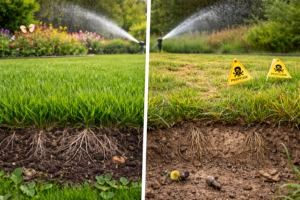
Grass with deeper root systems is far more resilient during Idaho summers. Deep roots allow the lawn to access moisture stored deeper in the soil even when the surface appears dry.
Watering deeply but less frequently encourages roots to grow downward rather than staying near the surface. This approach strengthens the lawn over time and helps it withstand periods of drought.
If heat stress is a recurring issue, adjusting irrigation practices or evaluating overall lawn care practices may help. Professional services such as organic lawn care and irrigation support can help improve drought resistance and strengthen the health of your lawn.
Uneven Irrigation Coverage
Sometimes homeowners water their lawns regularly but still notice brown patches appearing. In many cases, the issue is not the amount of water being used but how evenly it is distributed across the lawn.
Common Irrigation System Problems
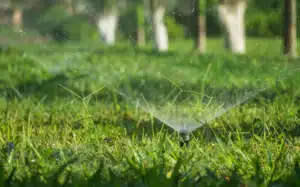
Sprinkler heads that are misaligned, clogged, or damaged can prevent certain areas of the lawn from receiving enough water. Pressure issues or improper sprinkler placement can also create dry zones where grass receives far less moisture than surrounding areas.
Even small irrigation issues can cause visible brown spots if they persist for several weeks during hot weather.
How to Identify Coverage Problems
Running the sprinkler system and observing how water reaches different parts of the lawn can help identify coverage problems. Areas that appear dry after watering may indicate blocked sprinkler heads or incorrect spray patterns.
Checking irrigation zones regularly helps ensure water reaches the entire lawn evenly. If the system is outdated or damaged, repairing it can quickly restore proper coverage and prevent further lawn stress.
Soil Compaction
Soil compaction is another common cause of brown patches in lawns throughout Idaho. Compacted soil restricts airflow and prevents water and nutrients from reaching grass roots effectively.
Why Soil Becomes Compacted
Heavy foot traffic, lawn equipment, and natural soil composition can all contribute to compaction. Many lawns in the Treasure Valley contain clay-heavy soil, which is particularly prone to becoming compacted over time.
When soil becomes dense, water may sit on the surface instead of soaking into the ground. This prevents roots from receiving the moisture they need to remain healthy.
How Aeration Improves Soil Health
Core aeration is one of the most effective ways to relieve soil compaction. This process removes small plugs of soil from the lawn, allowing air, water, and nutrients to penetrate deeper into the ground.
Over time, aeration improves soil structure and encourages stronger root growth. Lawns that receive regular aeration are better able to absorb water and recover from environmental stress.
Lawn Diseases
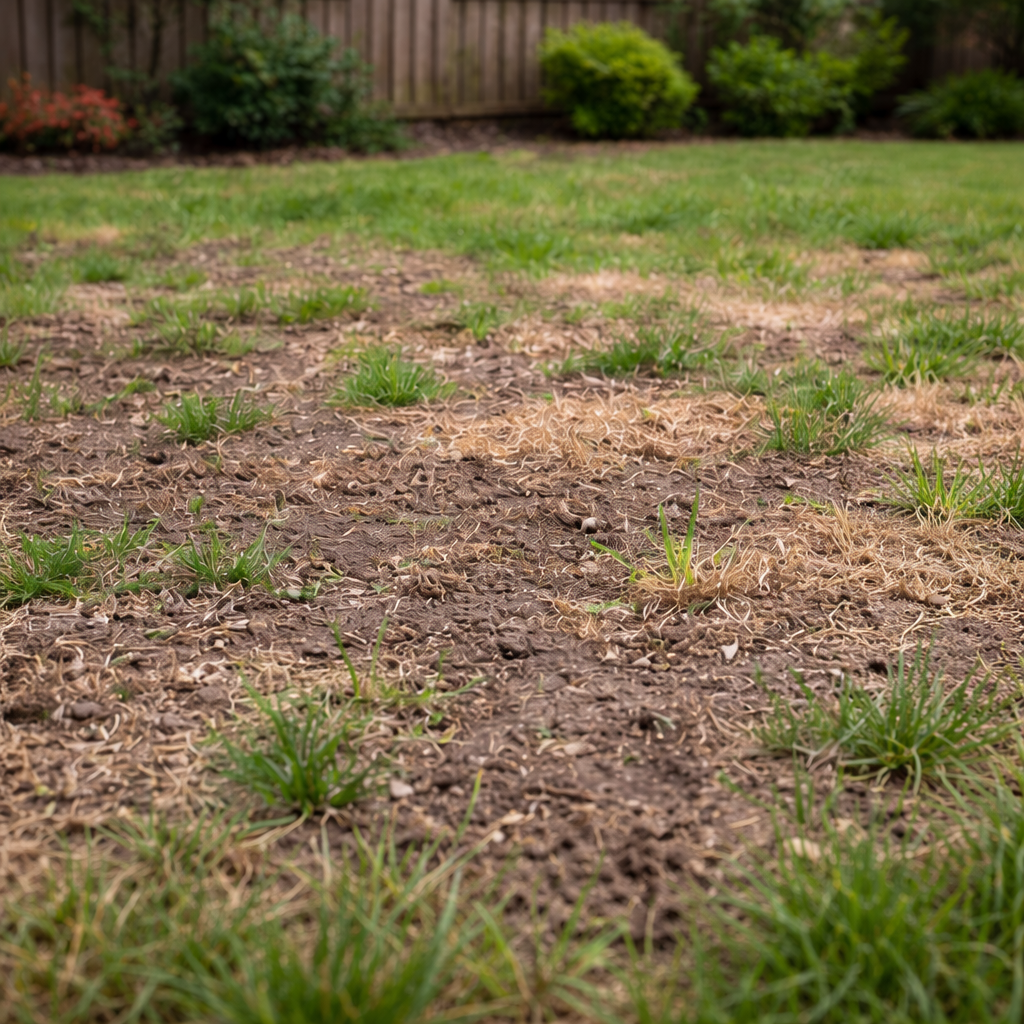
Although Idaho’s dry climate reduces the likelihood of widespread lawn disease, certain conditions can still allow fungal problems to develop. Brown spots caused by lawn disease often look different from drought stress and may spread slowly across the turf.
Conditions That Encourage Lawn Disease
Excess moisture, poor airflow, and frequent nighttime watering can create conditions where fungal diseases develop. When grass blades remain wet for long periods, fungi can begin attacking the turf.
Lawns that are heavily fertilized or watered too frequently may also become more susceptible to disease.
Preventing Lawn Disease
Proper watering habits can significantly reduce the risk of lawn disease. Watering early in the morning allows grass to dry during the day, which helps prevent fungal growth.
Maintaining healthy soil conditions and balanced fertilization also supports stronger grass that can resist disease more effectively.
Pest and Insect Damage
Certain lawn insects can damage grass by feeding on the roots beneath the soil surface. When roots are weakened or destroyed, grass struggles to absorb water and nutrients, which often leads to brown patches developing across the lawn. While some insect activity is normal in any yard, larger infestations can cause noticeable turf damage if they are not addressed.
Signs of Lawn Pest Activity
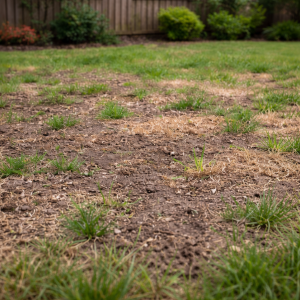
Brown spots caused by insects often appear irregular in shape and may not improve even after watering. Homeowners sometimes notice birds pecking or digging into the lawn, which can be a sign they are searching for insects living beneath the soil. In more advanced cases, damaged turf may feel loose or spongy when walked on because the roots have been eaten by pests.
Managing Lawn Insects
Maintaining a healthy lawn is one of the best ways to reduce pest problems. Strong root systems and balanced soil conditions allow grass to recover more quickly when insects are present. In situations where pests begin causing visible damage, a targeted pest control program can help manage common lawn insects and protect grass roots from further damage.
Improving soil health, maintaining consistent watering habits, and following a regular lawn care routine can significantly reduce the chances of serious pest issues developing over time.
Pet Damage
Pet activity can also create brown patches in lawns, particularly in areas where dogs frequently use the yard. These spots often appear as small circular patches with yellow or brown grass in the center.
Why Pet Urine Damages Grass
Pet urine contains high concentrations of nitrogen and salts, which can burn grass in concentrated areas. The effect is similar to over-fertilizing a small portion of the lawn.
Reducing Pet-Related Lawn Damage
Watering the area shortly after pets use the lawn can help dilute the nitrogen concentration and reduce damage. Encouraging pets to use designated areas of the yard can also prevent repeated damage in the same spots.
Over time, improving overall lawn health helps grass recover more quickly from occasional stress.
When Brown Spots Require Professional Help
Most brown spots can be corrected by adjusting watering habits, improving soil conditions, or repairing irrigation systems. However, if patches continue spreading or do not respond to basic care, it may be helpful to have a professional lawn inspection.
Lawn care professionals can identify whether the problem is caused by pests, soil issues, irrigation problems, or environmental stress. Professional evaluation ensures the correct treatment is applied rather than guessing at the cause.
Homeowners who want to improve the long-term health of their lawns may benefit from services such as organic lawn care programs designed specifically for Idaho soil and climate conditions.
FAQs
Why do brown spots appear even when I water regularly?
Brown spots may occur when irrigation coverage is uneven or when soil conditions prevent water from reaching the roots effectively.
Can Idaho heat permanently damage grass?
Most lawns recover once temperatures cool and watering improves, but prolonged drought or severe heat stress can cause lasting damage if not addressed.
How can I tell if pests are causing brown patches?
If brown spots do not improve with watering and birds frequently dig into the lawn, insects feeding on grass roots may be the cause.
Does aeration help prevent brown spots?
Yes. Aeration improves soil structure and allows water and nutrients to reach deeper into the soil where grass roots can absorb them.
Can brown grass turn green again?
If the grass roots remain healthy, proper watering and lawn care practices can often restore green growth.
Restore the Health of Your Lawn
Brown spots are often a signal that your lawn needs adjustments in watering, soil care, or irrigation coverage. By identifying the cause early and making the right changes, homeowners can restore healthy grass and prevent lawn problems from spreading.
If your lawn continues to struggle with brown patches or uneven growth, the team at Idaho Organic Solutions can help diagnose the issue and recommend the right solution. If you would like expert guidance for your lawn, feel free to contact our team.