Trees and shrubs play an essential role in residential landscapes across Idaho. They provide shade during hot summer months, enhance curb appeal, and help create a balanced outdoor environment around homes. However, the climate in the Treasure Valley presents unique challenges for maintaining healthy plants. Hot summers, limited rainfall, and alkaline soil conditions can stress trees and shrubs if they are not properly maintained.
Homeowners in areas like Nampa, Boise, Meridian, and Caldwell often find that proper maintenance is the key to keeping their landscape plants strong and healthy throughout the year. With the right watering habits, soil care, pruning practices, and seasonal maintenance, trees and shrubs can thrive even in Idaho’s demanding climate.
Understanding how Idaho’s environment affects plants can help homeowners make better decisions about landscape care and prevent many common problems before they begin.
Understanding Idaho’s Climate and Soil
Before planting or maintaining trees and shrubs, it is important to understand the environmental conditions they will grow in. Much of southern Idaho has alkaline soil and dry weather patterns, both of which influence plant health and growth.
How Soil Conditions Affect Plant Health
Alkaline soil can limit the availability of key nutrients such as iron, manganese, and phosphorus. When plants cannot absorb these nutrients efficiently, they may develop yellow leaves, weak growth, or reduced flowering.
In many parts of the Treasure Valley, soil also contains a high percentage of clay. Clay soil tends to hold water longer than other soil types, which can cause drainage problems if not managed properly.
Adding organic matter to the soil can improve its structure, helping water move through the soil more effectively while also improving nutrient availability.
Choosing Plants That Thrive in Idaho
Selecting the right trees and shrubs for Idaho’s climate can dramatically improve the success of your landscape. Native species and drought-tolerant varieties typically perform better because they are naturally adapted to local weather conditions.
Popular landscape plants in the Treasure Valley include ornamental maples, junipers, boxwoods, lilacs, and flowering shrubs that tolerate dry conditions. Choosing plants suited to local conditions reduces maintenance needs and increases long-term landscape health.
Watering Trees and Shrubs Properly
Proper watering is one of the most important factors in maintaining healthy landscape plants. Because Idaho summers are dry and temperatures can climb above 90°F for extended periods, trees and shrubs rely heavily on consistent irrigation.
Deep Watering Encourages Strong Roots
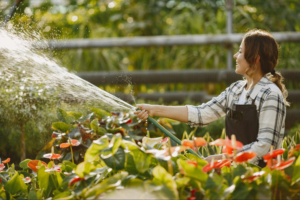
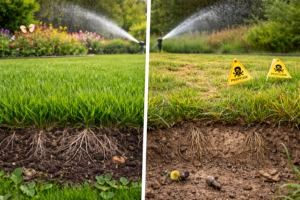
Instead of watering lightly every day, trees and shrubs benefit more from deep watering sessions that allow moisture to reach deeper into the soil. Deep watering encourages roots to grow downward rather than remaining near the surface.
Plants with deeper root systems are better able to tolerate drought and temperature fluctuations. This type of watering pattern also reduces evaporation and improves long-term plant health.
Adjusting Irrigation During Hot Weather
During peak summer temperatures, irrigation schedules may need to be adjusted. Young trees and newly planted shrubs often require more frequent watering while they establish their root systems.
Monitoring soil moisture can help determine when watering is necessary. Overwatering should also be avoided, as constantly saturated soil can damage roots and lead to drainage issues.
If irrigation problems are affecting plant health, a professional lawn care program can help ensure your landscape receives the proper watering and nutrient balance.
Pruning for Healthy Growth
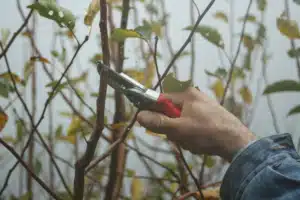
Regular pruning is essential for maintaining the health and appearance of trees and shrubs. Removing dead, damaged, or overcrowded branches helps plants grow in a stronger structure and reduces the risk of disease.
Best Time to Prune Trees and Shrubs
Most landscape plants benefit from pruning during late winter or early spring before new growth begins. This timing allows plants to heal quickly once the growing season starts.
Certain flowering shrubs may require pruning after their blooming cycle to avoid removing next season’s flower buds.
Benefits of Proper Pruning
Pruning improves airflow through the plant canopy, which reduces the risk of fungal diseases. It also encourages stronger branch development and allows sunlight to reach interior branches.
Proper pruning also helps maintain the desired shape and size of landscape plants. Professional tree trimming services can remove damaged branches and improve overall tree structure.
Preventing Pest Problems
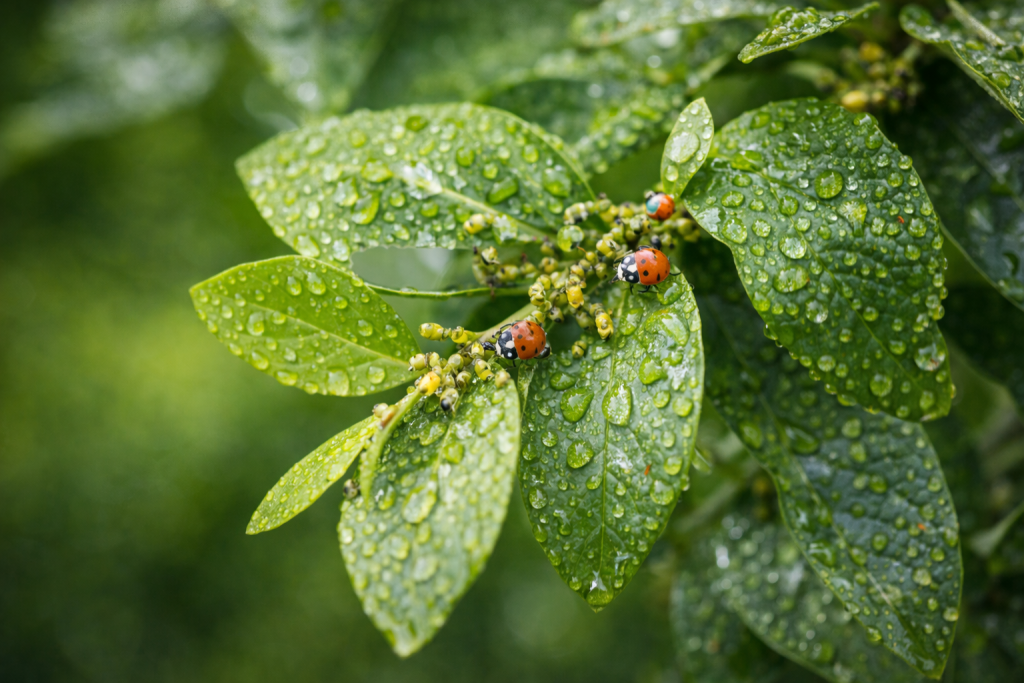
Insects occasionally affect trees and shrubs in Idaho landscapes. While many insects are harmless or even beneficial, certain pests can damage leaves, bark, and roots if populations become too large.
Signs of Pest Damage
Common signs of pest activity include chewed leaves, holes in foliage, sticky residue on leaves, or branches that begin to die back unexpectedly. Some pests may also create visible damage to bark or roots.
Monitoring plants regularly helps detect these issues early before they spread.
Managing Landscape Pests
Healthy plants are naturally more resistant to insect damage. Strong roots and balanced soil conditions help trees and shrubs recover quickly from minor pest activity.
If pest issues become severe, professional tree and shrub insect control can help protect landscape plants from insects that damage leaves, bark, and roots.
Managing Weeds Around Trees and Shrubs
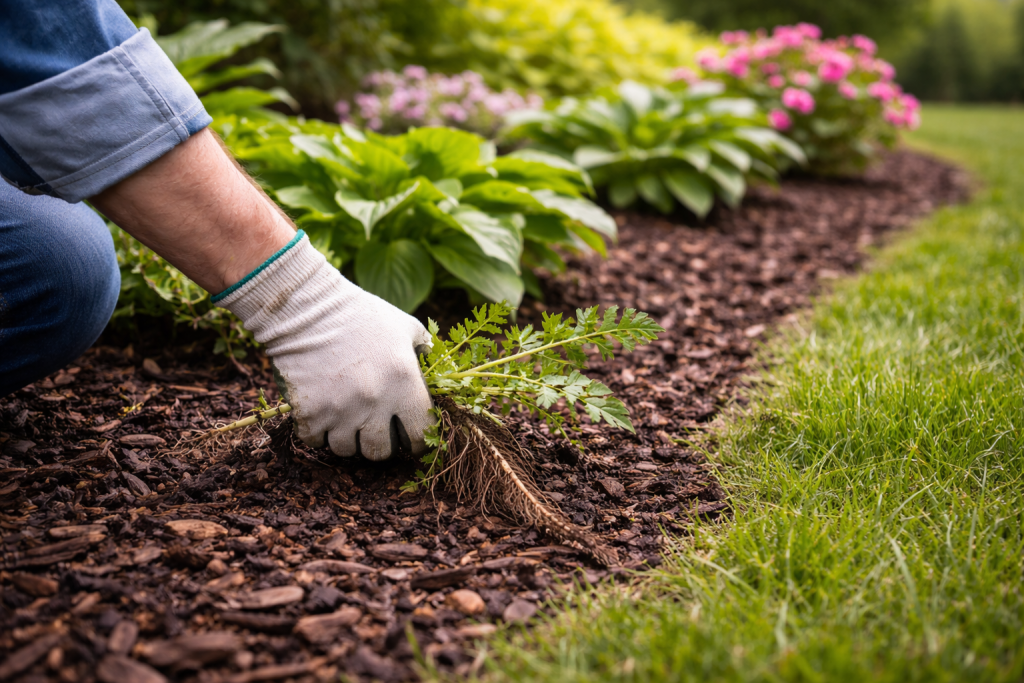
Weeds often compete with landscape plants for water and nutrients. When weeds grow around the base of trees and shrubs, they can weaken plant growth and reduce the efficiency of irrigation.
Why Weed Control Is Important
Weeds absorb moisture and nutrients that would otherwise benefit the plant itself. In dry climates like Idaho, this competition can place additional stress on trees and shrubs during summer months.
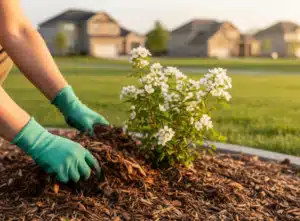
Applying mulch around the base of plants can help suppress weed growth while also improving soil moisture retention.
Long-Term Weed Prevention
Maintaining healthy soil conditions and consistent landscape care practices helps reduce weed pressure over time. Many homeowners also rely on professional weed control services to manage invasive plants in landscape beds.
Improving Drainage for Landscape Plants
Proper drainage is essential for maintaining healthy root systems. When soil remains overly saturated for long periods, roots may struggle to absorb oxygen and nutrients.
Signs of Drainage Problems
Standing water, soggy soil, or plants that show slow or stunted growth may indicate drainage problems in landscape beds. Excess water can eventually lead to root rot and plant decline.
Solving Drainage Issues
Improving soil structure and redirecting water flow can help prevent drainage issues. In some cases, installing drainage systems may be necessary to remove excess water from landscape areas.
Homeowners dealing with recurring water problems may benefit from professional landscape drainage solutions designed to protect plant roots and improve soil conditions.
Fertilizing Trees and Shrubs
Trees and shrubs also benefit from occasional fertilization, particularly when soil nutrient levels are low. Proper fertilization supports healthy foliage, stronger root development, and improved resistance to environmental stress.
When to Fertilize Landscape Plants
Most trees and shrubs benefit from fertilization in early spring when new growth begins. Some plants may also benefit from a light fall fertilization that helps prepare roots for winter dormancy.
Choosing the Right Fertilizer
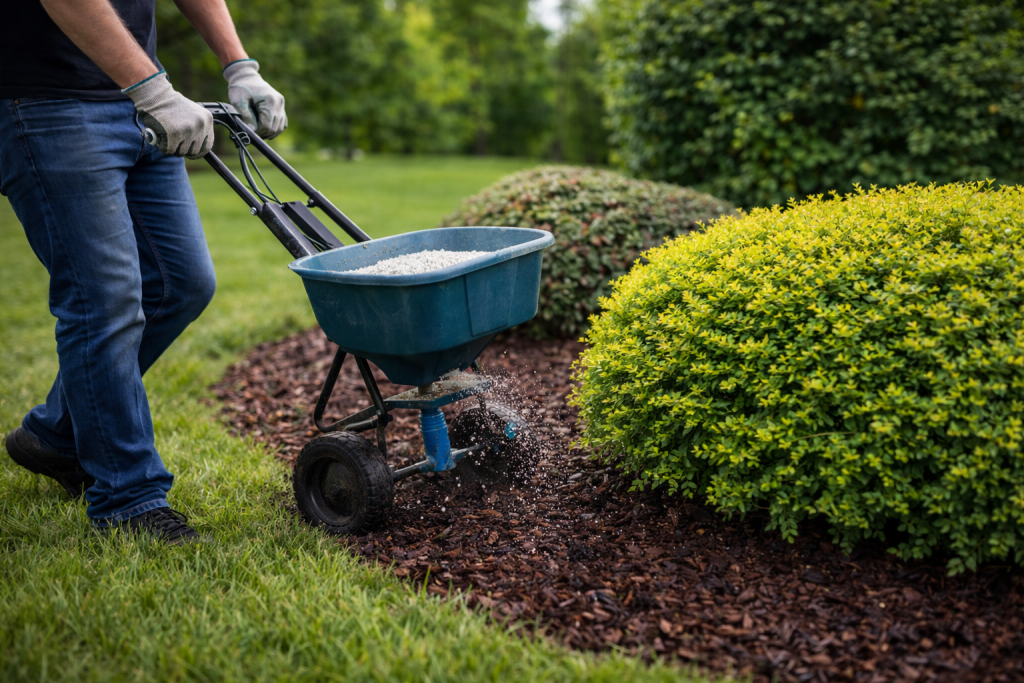
Using fertilizers designed specifically for trees and shrubs helps ensure plants receive the correct balance of nutrients. Professional tree and shrub fertilization can improve plant health and support stronger growth. Organic fertilizers are often preferred because they improve soil health while providing slow-release nutrients that plants can absorb over time.
Seasonal Maintenance for Trees and Shrubs
Seasonal care helps trees and shrubs remain healthy throughout Idaho’s changing weather conditions. Regular maintenance allows homeowners to catch small problems before they become serious issues.
Spring and Summer Care
During the growing season, focus on watering, pruning, and monitoring plant health. Checking irrigation systems and removing damaged branches can help prevent stress during hot weather.
Fall and Winter Preparation
As temperatures cool, reducing watering and preparing plants for dormancy becomes important. Adding mulch around plant bases can protect roots during winter while improving soil moisture retention.
Keep Your Landscape Healthy Year-Round
With proper care and maintenance, trees and shrubs can thrive in Idaho’s climate and provide lasting beauty to your landscape. Healthy soil, consistent watering, pruning, and seasonal care all contribute to stronger plants that resist pests, drought, and environmental stress.
If you would like professional help maintaining your landscape, the team at Idaho Organic Solutions can assist with lawn and landscape care throughout the Treasure Valley. If you would like to learn more about improving your landscape health, feel free to contact our team.
FAQs
How often should trees and shrubs be watered in Idaho?
Most established trees and shrubs benefit from deep watering once or twice per week during the summer months. Younger plants may require more frequent watering while their root systems are developing. Deep watering helps roots grow deeper into the soil, which improves drought resistance and overall plant health.
When is the best time to prune trees and shrubs?
The best time to prune most trees and shrubs is during late winter or early spring before new growth begins. This allows plants to recover quickly and encourages healthy growth during the growing season. Some flowering shrubs should be pruned after they bloom to avoid removing the next season’s flower buds.
Do trees and shrubs need fertilizer in Idaho?
Many trees and shrubs benefit from occasional fertilization, especially in soils that lack certain nutrients. Applying fertilizer in early spring helps support new growth, while light fertilization in fall can strengthen root systems before winter.
How can I prevent pests from damaging my trees and shrubs?
Healthy plants are naturally more resistant to pests. Maintaining proper watering, pruning regularly, and improving soil health can reduce the chances of pest problems. Monitoring plants regularly also helps identify insect issues early before they cause serious damage.
Why is mulch important around trees and shrubs?
Mulch helps retain soil moisture, regulate soil temperature, and suppress weed growth around plants. It also improves soil quality over time as organic mulch breaks down and adds nutrients back into the soil.
How do I know if my landscape has drainage problems?
Signs of drainage issues include standing water, soggy soil, slow plant growth, or roots that begin to rot. Addressing drainage problems early helps protect plant roots and improves the long-term health of trees and shrubs.