Spring is the turning point for every lawn in the Treasure Valley. After months of cold temperatures, reduced sunlight, and dormancy, your grass is ready to grow again but only if the right foundation is in place. What you do during this early part of the season directly impacts how your lawn performs through Idaho’s hot, dry summers.
Many homeowners across Nampa, Boise, and Meridian notice their lawns looking thin, uneven, or dull as winter ends. This is expected. Grass experiences stress during colder months, and soil conditions often become compacted or unbalanced. The key is not rushing into quick fixes, but following a structured approach that restores lawn health from the ground up.
A properly prepared lawn in spring becomes easier to maintain, more resistant to weeds and pests, and better equipped to handle seasonal stress.
Why Spring Lawn Prep Matters in the Treasure Valley
Spring lawn care plays a bigger role in Idaho than in many other regions. The combination of alkaline soil, dry climate, and intense summer heat means your lawn has a limited window to recover and strengthen before conditions become more challenging.
If soil health and root development are not addressed early, lawns struggle to retain moisture and maintain consistent growth later in the season. Instead of reacting to problems in summer, spring preparation allows you to prevent them before they start.
Start With Inspection and Lawn Cleanup
Before applying any treatments, it is important to understand what your lawn needs. A full inspection helps identify weak areas and ensures your efforts are focused where they matter most.
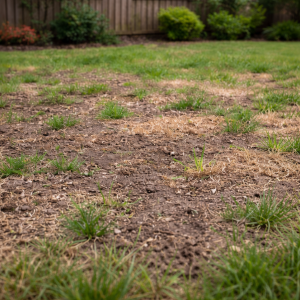
Walk through your lawn and look for thin patches, uneven colour, or compacted areas that feel hard underfoot. These signs often indicate underlying issues such as poor soil health or inconsistent watering.
Winter often leaves behind leaves, sticks, and dead grass that block sunlight and restrict airflow. Clearing this material allows new growth to develop properly and reduces the risk of disease.
If a light layer of thatch is present, gentle raking can help break it up. However, avoid aggressive dethatching, as your lawn is still recovering.
Build a Strong Foundation With Soil Health and Aeration
Healthy soil is the foundation of a healthy lawn. Without improving soil conditions, fertilisation and watering will not deliver long-term results.
Treasure Valley soil is often alkaline, which can limit nutrient availability. This means grass may struggle to absorb essential nutrients even when they are present.
Adding organic matter helps balance soil conditions, improves water retention, and supports beneficial microorganisms. Over time, this creates a healthier environment for root growth.
Compacted soil is a common issue in Idaho lawns. Aeration creates openings that allow water, oxygen, and nutrients to reach the root zone.
If water tends to sit on the surface or the lawn feels dense, aeration can significantly improve growth and resilience.

Strengthen Growth With Fertilisation and Overseeding
Once soil conditions are improved, the next step is supporting new growth. This is where fertilisation and overseeding work together.
Apply Balanced Fertilisation
Spring fertilisation helps lawns recover from winter and supports early growth. Organic fertilisers are especially effective because they feed the soil while releasing nutrients gradually.
This steady approach avoids rapid, weak growth and instead builds long-term strength.
Restore Lawn Density With Overseeding
Thin or bare areas are common after winter. Overseeding fills in these gaps and improves overall lawn density.
A thicker lawn not only looks better but also helps prevent weeds by covering exposed soil. Consistent moisture and proper seed-to-soil contact are key to successful establishment.
Optimise Mowing and Watering Practices
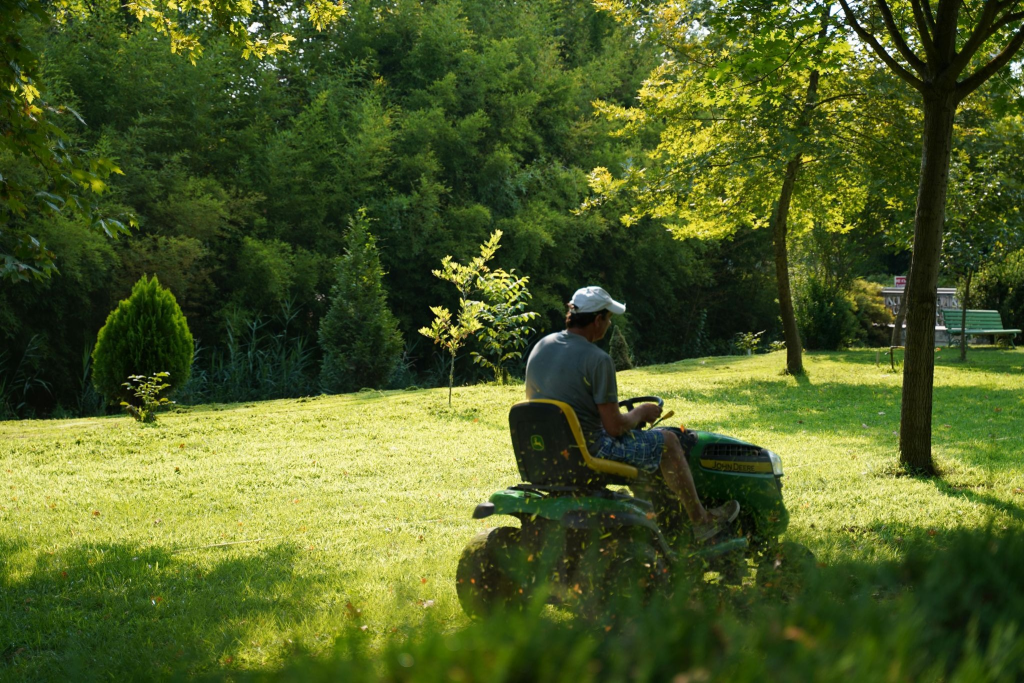
Proper maintenance habits in spring set the tone for the entire growing season. Mowing and watering play a major role in how your lawn develops.
Keeping grass slightly taller helps shade the soil and retain moisture. Taller grass also develops deeper roots, making the lawn more resilient.
Avoid cutting too much at once, as this can stress the grass and slow recovery.
Instead of frequent shallow watering, focus on deeper watering sessions that reach the root zone. This encourages roots to grow deeper, improving drought resistance.
Watering early in the morning reduces evaporation and ensures better absorption. Establishing this routine early helps your lawn perform better in summer.
Prevent Weeds and Monitor Pests Early
A healthy lawn is your best defence against weeds and pests. Prevention is far more effective than reactive treatment.
Weeds thrive in thin or weak lawns where sunlight reaches the soil. Improving lawn density and maintaining proper mowing height limits their ability to grow.
Strong grass naturally competes with weeds, reducing the need for aggressive control methods.
As temperatures rise, insects become more active. Signs such as irregular patches or increased bird activity may indicate pest presence.
Healthy lawns recover more quickly from minor pest damage, so focusing on overall lawn strength helps minimise long-term impact.
Check Irrigation and Improve Lawn Appearance
Consistency in watering and presentation contributes to both lawn health and overall curb appeal.
Before regular watering begins, check sprinkler heads, coverage, and potential leaks. Uneven irrigation can lead to dry spots and inconsistent growth.
Properly functioning irrigation ensures your lawn receives the right amount of water across all areas.
Edging along walkways and garden beds creates a clean, defined look. It also helps prevent grass from spreading into unwanted areas.
While this step is more visual, it enhances the overall appearance of a well-maintained lawn.
Avoid Common Spring Lawn Care Mistakes
Even with a solid plan in place, certain mistakes can limit your results and slow down your lawn’s progress. Many of these issues happen early in the season, when grass is still recovering and more sensitive to stress.
Over-fertilising is one of the most common problems. Applying too much fertiliser at once can cause rapid, uneven growth that weakens the lawn instead of strengthening it. This type of growth often requires more water and maintenance, making the lawn more vulnerable as temperatures rise.
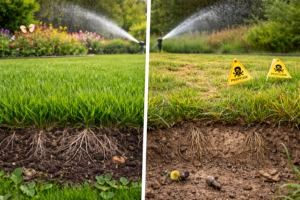
Watering too frequently is another mistake that leads to shallow root development. When water stays near the surface, roots do not grow deeper into the soil. As a result, grass becomes less resilient during dry periods and struggles to maintain its colour and health during summer.
Cutting grass too short can also create long-term issues. Short grass loses moisture more quickly, exposes soil to direct sunlight, and makes it easier for weeds to establish. Maintaining the proper mowing height helps protect the lawn and supports stronger root systems.
Inconsistent care is another factor that can hold your lawn back. Skipping watering schedules, delaying fertilisation, or mowing irregularly can disrupt growth patterns and lead to uneven results across the lawn.
A consistent and balanced approach is what produces the best long-term outcomes. By avoiding these common mistakes and focusing on steady, well-timed care, you create a lawn that grows stronger with each passing season.
Create a Long-Term Lawn Care Plan
Spring preparation is only the first step toward a healthy lawn. Long-term success depends on maintaining consistency and adapting your approach as the seasons change.
A structured lawn care plan provides direction and helps you stay on track throughout the year. This includes scheduled fertilisation, proper watering routines, regular mowing, and seasonal treatments such as aeration or overseeding when needed. Each of these elements works together to support steady growth and prevent common lawn problems.
Consistency is key. Lawns respond best when care is applied regularly rather than in occasional bursts. Small, consistent efforts help maintain soil balance, support root development, and keep grass growing evenly across the entire lawn.
Seasonal adjustments also play an important role. As temperatures increase, watering schedules may need to change. During periods of stress, mowing height and frequency should be adjusted to protect the lawn. Recognising these changes allows you to respond before problems develop.
Over time, a well-maintained lawn becomes easier to manage. Stronger roots, improved soil health, and consistent growth reduce the need for corrective treatments and minimise issues such as weeds, pests, and dry patches.
By following a long-term plan, you are not just maintaining your lawn you are continuously improving it.
When Professional Lawn Care Helps
While basic lawn care can be handled by homeowners, certain tasks benefit from professional expertise. Soil testing, aeration, and tailored treatment plans often require specialised knowledge.
Professional services also help identify underlying issues early and ensure your lawn receives the right care at the right time.
FAQs
When should I start spring lawn care in Idaho?
Spring lawn care typically begins once soil temperatures rise and grass starts actively growing.
How often should I water my lawn in spring?
Most lawns benefit from deep watering once or twice per week, depending on conditions.
Is fertilisation necessary in spring?
Yes. It supports new growth and helps lawns recover after winter dormancy.
Can I fix patchy grass in spring?
Yes. Overseeding helps improve density and fill in thin areas.
Does every lawn need aeration?
Not every year, but compacted or high-traffic lawns benefit significantly.
Build a Lawn That Lasts
Spring lawn preparation is not just about immediate results. It is about building a lawn that remains strong, healthy, and resilient throughout the year.
By focusing on soil health, proper watering, and consistent maintenance, you create a lawn that can handle Idaho’s demanding climate while maintaining its appearance and performance.
If you want consistent results without the guesswork, the team at Idaho Organic Solutions can help. Our lawn care programs are designed specifically for Treasure Valley conditions, helping homeowners achieve healthier, more durable lawns with a long-term approach. Reach out to learn how we can support your lawn this season and beyond.