Maintaining a healthy lawn in the Treasure Valley can be challenging for many homeowners. The region’s climate brings hot summers, limited rainfall, and alkaline soil conditions that can stress grass throughout the year. Even with regular watering and mowing, lawns in areas like Nampa, Meridian, Boise, and Caldwell may develop problems that affect their appearance and long-term health.
Understanding what causes these issues is the first step toward fixing them. Many lawn problems are not caused by a single factor but by a combination of soil conditions, irrigation practices, weather patterns, and maintenance habits. Once the root cause is identified, most lawn issues can be corrected with the right approach.
Below are some of the most common lawn problems seen across the Treasure Valley and how homeowners can address them.
Brown Patches in the Lawn
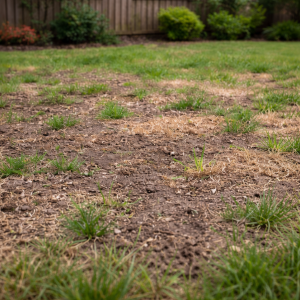
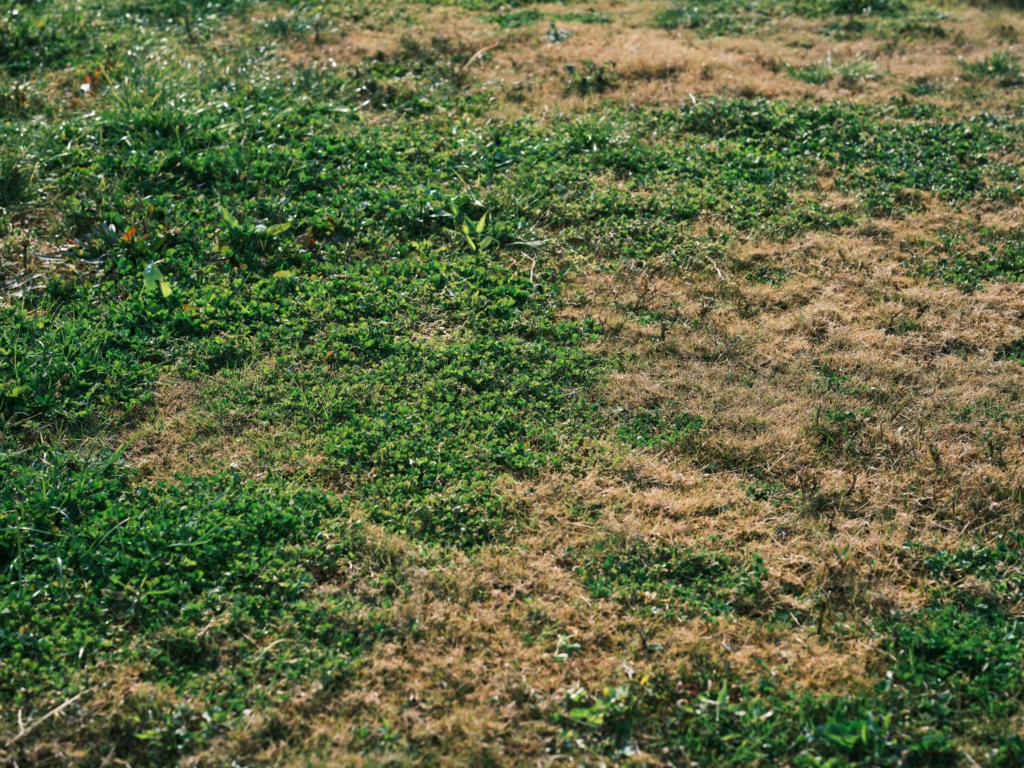
Brown or dry patches are one of the most noticeable lawn problems during Idaho’s summer months. When temperatures climb and rainfall becomes scarce, certain areas of the lawn may begin turning brown while surrounding grass remains green.
What Causes Brown Spots
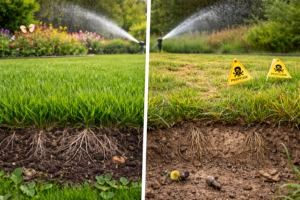
Brown patches often develop when lawns experience heat stress combined with inconsistent watering. In the Treasure Valley, summer temperatures frequently reach the upper 90s and occasionally exceed 100°F. During these periods, grass requires consistent moisture to remain healthy.
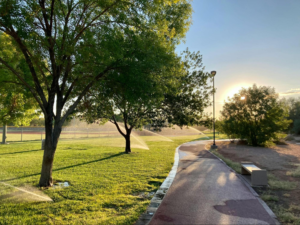
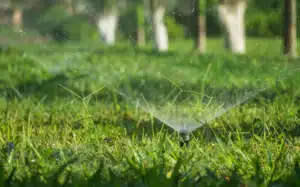
Uneven sprinkler coverage can also cause brown patches. If irrigation systems fail to distribute water evenly, some areas receive less water than others. Soil compaction is another common issue. When soil becomes compacted, water cannot reach the roots effectively.
How to Fix Brown Patches
Correcting brown spots usually begins with evaluating the irrigation system and ensuring water is distributed evenly across the lawn. Deep watering two or three times per week helps strengthen root systems and improve drought resistance.
If compacted soil is part of the problem, aeration can improve water absorption and root development. Once soil conditions improve, grass typically begins recovering over time.
Thin or Patchy Grass
Another common issue homeowners face is uneven or thinning grass. Lawns that once appeared thick and green may gradually develop bare spots or areas where grass struggles to grow.
Why Lawns Become Thin
Thin grass can occur when lawns do not receive adequate nutrients or when soil conditions prevent healthy root growth. In many Treasure Valley lawns, alkaline soil can limit nutrient availability, making it difficult for grass to absorb what it needs to grow.
Heavy foot traffic can also weaken turf over time. Areas where children play frequently or where pets run repeatedly may begin thinning because the grass is constantly stressed.
Restoring Lawn Density
Improving lawn density often begins with strengthening soil health. Organic lawn care programs focus on improving the soil ecosystem so grass can grow stronger and more resilient.
Aeration, proper fertilization, and consistent watering can gradually encourage thicker turf. As grass becomes denser, it also helps crowd out weeds that might otherwise fill bare areas.
Excessive Weeds
Weeds are a common concern for homeowners throughout the Treasure Valley. Dandelions, crabgrass, and other invasive plants can quickly spread through lawns if conditions allow.
Why Weeds Appear
Weeds usually take hold when grass becomes weak or thin. When turf density decreases, sunlight reaches the soil surface, creating ideal conditions for weed seeds to germinate.
Improper mowing practices can also contribute to weed problems. Cutting grass too short weakens root systems and allows weeds to establish more easily.
Reducing Weed Growth
The most effective long-term weed control strategy is strengthening the lawn itself. Healthy grass naturally competes with weeds by covering the soil and limiting the space where weeds can grow.
Maintaining proper mowing height, improving soil health, and following a consistent lawn care schedule can significantly reduce weed pressure over time.
Poor Drainage and Soggy Lawn Areas
Some homeowners in the Treasure Valley experience the opposite problem of drought stress. Certain areas of the lawn may remain wet or soggy long after watering.
Causes of Drainage Problems
Clay-heavy soils, which are common in parts of the Treasure Valley, can hold water longer than other soil types. When irrigation systems deliver too much water or drainage is poor, lawns may develop overly saturated areas.
Low spots in the landscape can also collect excess water, preventing proper drainage and potentially damaging grass roots.
Improving Lawn Drainage
Improving drainage often requires adjusting irrigation schedules and addressing soil structure. Aeration can help loosen compacted soil and improve water infiltration. In some cases, minor grading adjustments may help redirect water away from low areas.
Over time, improving soil structure helps balance moisture levels and reduces water buildup.
Lawn Stress During Summer Heat
Summer heat is one of the biggest challenges for lawns in the Treasure Valley. Extended periods of hot, dry weather can cause grass to become stressed even when irrigation systems are working properly.
How Heat Affects Grass
High temperatures increase evaporation and cause grass to lose moisture quickly. If lawns are watered too lightly or too frequently, roots may remain shallow, making grass more vulnerable to heat stress.
When grass becomes stressed, it may turn dull, lose color, or stop growing temporarily.
Protecting Lawns from Heat Stress
Watering deeply and less frequently helps encourage deeper root growth. Deeper roots allow grass to access moisture stored deeper in the soil. Maintaining slightly taller grass height can also help shade the soil and reduce water loss.
These simple adjustments can make a significant difference during Idaho’s hottest months.
Pest and Insect Damage
Insects can occasionally damage lawns throughout the Treasure Valley. While many insects are harmless or even beneficial, certain pests can feed on grass roots or blades and weaken turf.
Signs of Pest Problems
Insect damage often appears as irregular patches of thinning grass that do not respond to watering. In some cases, homeowners may notice increased bird activity as birds search for insects beneath the soil surface.
Managing Lawn Pests
Healthy lawns are naturally more resistant to pest damage. Strong grass roots and balanced soil conditions help turf recover quickly from minor insect activity.
Regular lawn monitoring and proper maintenance can help prevent pest problems from becoming severe.
Preventing Lawn Problems Before They Start
Many lawn problems can be avoided with proper seasonal maintenance and consistent care. Lawns that receive balanced nutrients, proper watering, and occasional aeration tend to remain healthier and more resilient throughout the year.
Routine inspections of irrigation systems, soil conditions, and turf health can help identify small problems before they become larger issues.
Professional services such as lawn care and irrigation maintenance can also help homeowners maintain consistent lawn health and avoid common landscape problems.

FAQs
Why does my lawn struggle during the summer in Idaho?
Treasure Valley summers bring high temperatures and limited rainfall, which can stress grass if irrigation and soil conditions are not properly managed.
Can soil conditions affect lawn health?
Yes. Many lawns in the region have alkaline or clay-heavy soil that can affect nutrient availability and water absorption.
How often should lawns be watered in the Treasure Valley?
Most lawns benefit from deep watering two or three times per week during the summer months.
Why do weeds grow even when I water regularly?
Weeds usually appear when grass becomes thin or weak. Improving turf density helps prevent weed growth naturally.
Is it possible to restore a damaged lawn?
Yes. With proper soil care, irrigation adjustments, and consistent maintenance, many lawns can recover and become healthier over time.
Keep Your Lawn Healthy in the Treasure Valley
While lawn problems are common in the Treasure Valley, most issues can be corrected with the right maintenance approach. By understanding the causes behind common lawn problems and addressing them early, homeowners can maintain greener, healthier lawns throughout the year.
If your lawn is struggling with brown spots, weeds, or uneven growth, the team at Idaho Organic Solutions can help. If you would like professional guidance or an inspection of your lawn, feel free to contact our team to learn more about improving your lawn’s health.