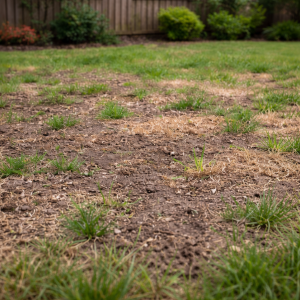
Fertilizing your lawn is one of the most important steps in maintaining healthy grass throughout the year. In Idaho, where lawns must deal with hot summers, limited rainfall, and alkaline soil conditions, proper fertilization can make a significant difference in how your lawn looks and performs.
Many homeowners assume that fertilizing once in spring is enough. In reality, lawns in the Treasure Valley benefit from a seasonal fertilization schedule that supports grass growth at the right times of the year. Applying nutrients too often can damage grass, while fertilizing too rarely may leave lawns weak and vulnerable to weeds and drought.
Understanding when and how often to fertilize your lawn helps create thicker grass, stronger roots, and better resistance to stress.
Why Lawn Fertilization Is Important in Idaho
Soil conditions in Idaho often present challenges for healthy lawn growth. Many areas in the Treasure Valley have alkaline soil with relatively low organic matter. These conditions can limit the availability of important nutrients that grass needs to thrive.
Fertilization helps replenish those nutrients and encourages strong root development. When lawns receive the right balance of nutrients, grass becomes thicker, greener, and better able to compete with weeds.
Proper fertilization also improves the lawn’s ability to tolerate drought, which is particularly important during Idaho’s hot summer months.
Typical Lawn Fertilization Schedule in Idaho
Most lawns in southern Idaho benefit from three to four fertilizer applications per year. This schedule supports grass during the periods when it grows most actively.
Instead of applying a large amount of fertilizer at once, spreading applications throughout the growing season helps maintain consistent nutrient availability.
Early Spring Fertilization
The first fertilization usually occurs in early spring as grass begins to come out of winter dormancy. This application helps stimulate new growth and restore nutrients that may have been depleted during winter.
Spring fertilization encourages grass to green up and begin growing actively again.
Late Spring Fertilization
A second fertilization is typically applied in late spring when grass growth becomes more vigorous. This helps strengthen root systems before summer heat arrives.
Late spring fertilization supports thicker turf and prepares the lawn for warmer temperatures.
Summer Fertilization
During the hottest months of the year, lawns may become stressed due to heat and drought. Some lawns benefit from a light fertilizer application in early summer, although heavy fertilization during extreme heat should be avoided.
The goal during summer is to maintain lawn health without encouraging excessive growth that requires more water.
Fall Fertilization
Fall is one of the most important times to fertilize lawns in Idaho. Grass actively grows roots during cooler fall temperatures, making this an ideal time to strengthen the lawn before winter.
Fall fertilization helps grass recover from summer stress and prepares the lawn for healthy growth in spring.
The Importance of Soil Testing
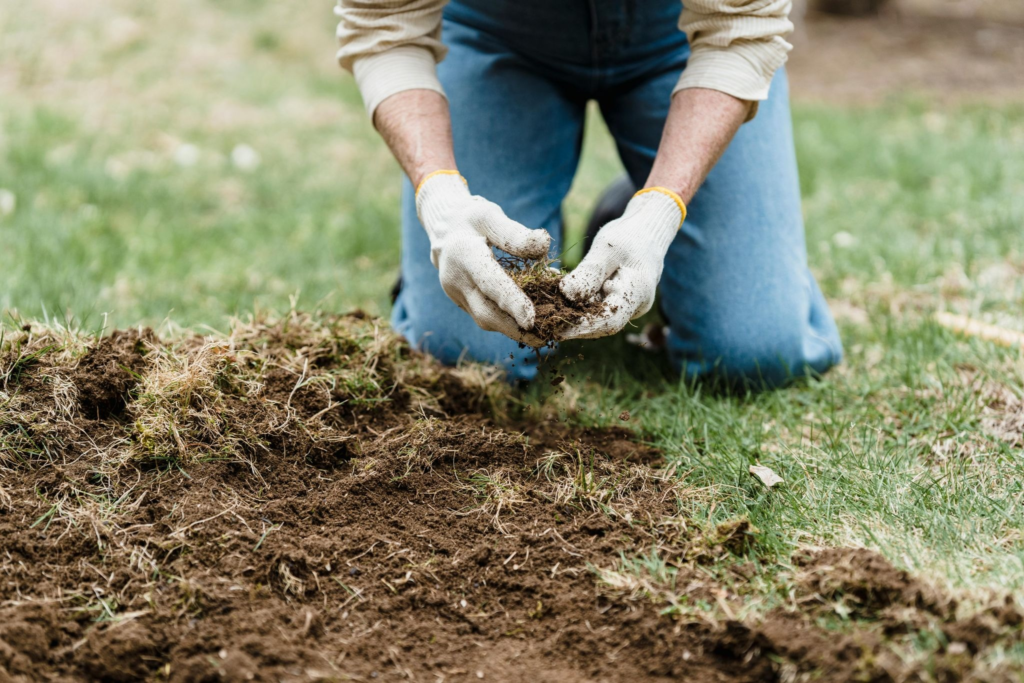
Before applying fertilizer, it is helpful to understand what nutrients your soil actually needs. Soil testing can reveal nutrient levels, pH balance, and organic matter content.
Many Idaho lawns have alkaline soil, which can affect how certain nutrients are absorbed by grass roots. A soil test allows lawn care professionals to apply the correct type and amount of fertilizer based on your lawn’s specific conditions.
Applying fertilizer without understanding soil conditions may result in wasted nutrients or uneven lawn growth.
Signs Your Lawn May Need Fertilization
Grass often shows visible signs when it lacks essential nutrients. Lawns that require fertilization may appear thin, pale, or slow growing.
Some common signs include:
Grass that looks lighter green or yellowish instead of deep green.
Slow or uneven growth throughout the lawn.
Thin turf that allows weeds to spread easily.
Grass that struggles to recover from heat or foot traffic.
When these symptoms appear, adjusting your fertilization schedule can help restore lawn health.
Organic vs Traditional Lawn Fertilizers
Homeowners today often choose between traditional synthetic fertilizers and organic lawn care approaches.
Synthetic fertilizers typically produce quick results because nutrients become available immediately. However, they can also encourage rapid growth that requires more watering and mowing.
Organic fertilizers work differently. They release nutrients more gradually while improving soil structure and microbial activity. This slower approach builds healthier soil over time and supports more sustainable lawn growth.
Many homeowners in Nampa and surrounding areas choose organic lawn care programs because they focus on improving the soil ecosystem rather than simply feeding the grass.
Avoiding Common Fertilization Mistakes
Improper fertilization can sometimes create more problems than it solves. While fertilizer is essential for healthy grass growth, applying it incorrectly can weaken the lawn instead of improving it. Understanding the most common fertilization mistakes can help homeowners protect their lawn and achieve better long-term results.
Applying Too Much Fertilizer
One of the most common mistakes is applying too much fertilizer in a single application. Excess nutrients can burn grass and damage the root system, particularly during warm weather when the lawn is already under stress. Over-fertilizing can also cause grass to grow too quickly, which increases mowing frequency and places additional strain on the lawn.
In many cases, smaller applications spread throughout the year provide better results than one large treatment. Gradual nutrient release helps support steady growth while protecting the lawn from fertilizer burn.
Fertilizing During Extreme Heat
Another common mistake is fertilizing during extremely hot weather. High temperatures combined with fertilizer can stress grass and increase water demand. When lawns are already dealing with heat and drought conditions, adding fertilizer may cause further damage.
For lawns in Idaho, fertilization is usually most effective during cooler parts of the growing season, such as spring and fall. These seasons allow grass to absorb nutrients while actively growing.
Uneven Fertilizer Application
It is also important to apply fertilizer evenly across the lawn. Uneven application may create dark green stripes or patches where nutrients were concentrated. This can make the lawn appear inconsistent and may cause certain areas to grow faster than others.
Using the proper spreading equipment and applying fertilizer carefully can help distribute nutrients evenly across the entire lawn.
Ignoring Soil Conditions
Another mistake many homeowners make is fertilizing without understanding their soil conditions. Lawns in the Treasure Valley often contain alkaline soil, which can affect how nutrients are absorbed by grass roots. Applying fertilizer without knowing the soil’s nutrient balance may lead to poor results or wasted fertilizer.
Conducting a soil test can provide valuable information about nutrient levels and pH balance, helping determine what type of fertilizer the lawn actually needs.
Following a Balanced Fertilization Plan
Following a consistent fertilization schedule and using the correct fertilizer type helps avoid these common problems. When fertilization is combined with proper watering, mowing, and soil care, lawns are more likely to grow thicker and healthier throughout the season. A balanced approach ensures that grass receives the nutrients it needs without creating unnecessary stress on the lawn.
How Fertilization Supports Stronger Root Growth
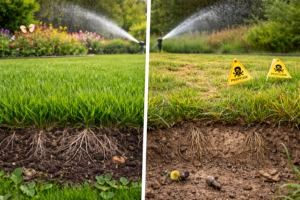
While many homeowners focus on the visible appearance of their lawn, the real benefits of fertilization happen beneath the surface. Healthy lawns depend on strong root systems that allow grass to absorb water and nutrients efficiently. Proper fertilization supports this root development and helps grass become more resilient throughout the year.
When lawns receive nutrients at the right times, grass roots grow deeper into the soil. Deeper roots allow the lawn to access moisture that remains below the surface during hot and dry periods. This is especially important in the Treasure Valley, where summer heat and limited rainfall can quickly stress shallow-rooted grass.
Stronger roots also help lawns recover more quickly from foot traffic, mowing, and seasonal weather changes. Over time, consistent fertilization improves overall turf density, making the lawn thicker and better able to compete with weeds.
By focusing on both soil health and root development, fertilization helps build a lawn that stays greener, stronger, and more durable throughout Idaho’s changing seasons.

Why Professional Fertilization Programs Help
While many homeowners apply fertilizer themselves, professional lawn care programs can ensure the right nutrients are applied at the right times.
Professionals evaluate soil conditions, grass type, and seasonal weather patterns before determining the best fertilization schedule. This helps lawns receive balanced nutrition without over-application.
Services such as lawn fertilization and care programs can help maintain consistent lawn health throughout the growing season.
Regular fertilization combined with proper watering and mowing practices helps lawns remain strong and resilient year after year.
FAQs
How many times per year should I fertilize my lawn in Idaho?
Most lawns benefit from fertilization three to four times per year, typically in early spring, late spring, summer, and fall.
What is the most important time to fertilize a lawn?
Fall fertilization is often the most important because grass actively develops roots during cooler temperatures.
Can fertilizing too much damage my lawn?
Yes. Over-fertilizing can burn grass, weaken roots, and increase the risk of lawn disease.
Should I fertilize during summer heat?
Light fertilization may be appropriate in early summer, but heavy applications during extreme heat should be avoided.
Does fertilization help prevent weeds?
Healthy, well-fed grass grows thicker and can naturally crowd out many weeds, reducing weed pressure over time.
Keep Your Lawn Healthy Throughout the Year
Fertilizing your lawn on a consistent schedule helps maintain strong, healthy grass that can withstand Idaho’s challenging climate. By applying nutrients during the right seasons, homeowners can encourage deeper roots, thicker turf, and improved drought resistance.
If you want help creating a fertilization plan tailored to your lawn, the team at Idaho Organic Solutions can help. If you would like expert advice or lawn care services in the Treasure Valley, feel free to contact our team.