Idaho homeowners rely heavily on irrigation systems to keep lawns healthy during the region’s hot and dry summers. However, once fall arrives and temperatures begin to drop, that same irrigation system can quickly become vulnerable to winter damage. Water left inside sprinkler pipes freezes as temperatures fall below 32°F, and when water freezes it expands. That expansion creates pressure inside irrigation lines, which can crack pipes, damage valves, and break sprinkler heads.
This is why scheduling a sprinkler blowout is an essential seasonal maintenance task for homeowners in Nampa, Meridian, Boise, and throughout the Treasure Valley. A properly timed sprinkler blowout removes all water from your irrigation system before freezing weather arrives, protecting your investment and preventing costly repairs in spring.
Understanding when to schedule a sprinkler blowout in Idaho, why timing matters, and how the process works will help ensure your lawn and irrigation system remain protected through the winter months.
Why Sprinkler Blowouts Are Essential in Idaho
Idaho’s climate presents unique challenges for irrigation systems. Summers are hot and dry, which means irrigation systems run frequently for several months. By fall, these systems contain water in underground pipes, sprinkler heads, and valves.
Once winter approaches, freezing temperatures become a real risk. When water freezes inside the pipes, it expands and puts pressure on every component of the irrigation system. Even a small amount of trapped water can lead to cracked pipes or damaged fittings.
A sprinkler blowout prevents this damage by using compressed air to remove all remaining water from the system. The process pushes water out through the sprinkler heads and clears each irrigation zone completely.
Without winterization, homeowners commonly encounter problems such as:
- Broken underground irrigation pipes
- Damaged sprinkler heads
- Cracked valves and fittings
- Water leaks during spring startup
- Expensive irrigation repairs
A simple fall blowout service can prevent these problems and ensure your irrigation system remains in good condition for the following year.
The Best Time to Schedule a Sprinkler Blowout in Idaho
Timing is one of the most important factors when preparing your irrigation system for winter. Scheduling the service too early may leave you without irrigation during warm fall weeks, while waiting too long can allow freezing temperatures to damage the system.
For most areas of southern Idaho, including the Treasure Valley, the ideal time to schedule a sprinkler blowout is between late September and late October.
During this period, irrigation demand typically decreases as temperatures cool and grass growth slows. Completing winterization during this window ensures your irrigation system is protected before the first hard freeze occurs.
In some years, mild fall weather allows irrigation to continue into early November. However, Idaho weather can change quickly, and sudden cold snaps are not uncommon. Because of this unpredictability, scheduling earlier in the fall season is usually the safest option.
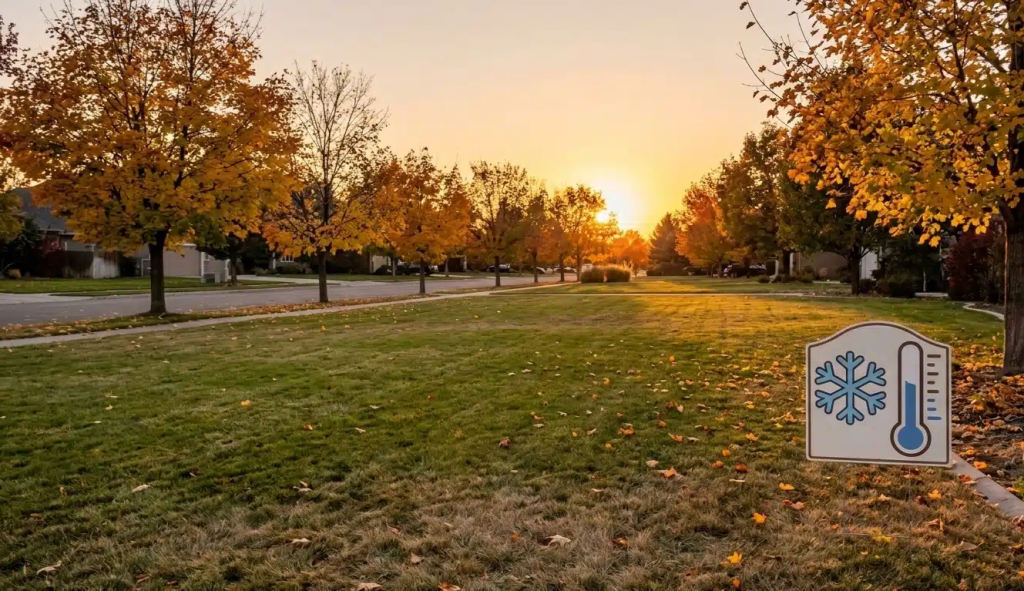
Signs It’s Time to Winterize Your Sprinkler System
Even if you are unsure about the exact timing, several seasonal indicators can help you determine when to schedule a sprinkler blowout.
Night Temperatures Are Approaching Freezing
Once overnight temperatures consistently drop near freezing, winterization should be scheduled soon. Waiting until temperatures drop below freezing increases the risk of pipe damage.
Lawn Growth Has Slowed
Grass growth naturally slows during early fall. When lawns require less watering, irrigation systems can safely be shut down for the season.
Irrigation District Water Is Turned Off
Many Idaho neighborhoods receive water through pressurized irrigation systems. When irrigation districts shut off water for the season, homeowners should winterize their sprinkler systems immediately.
Fall Lawn Care Is Underway
Seasonal lawn maintenance such as fertilizing, aerating, and cleaning up leaves often occurs around the same time as sprinkler blowouts.
Why Waiting Too Long Can Be Costly
One of the biggest mistakes homeowners make is delaying sprinkler winterization until the first frost appears. Unfortunately, by that point freezing temperatures may already be affecting irrigation lines.
Once water freezes inside the pipes, expansion begins immediately. Even if the pipes do not break right away, internal pressure can weaken components and cause hidden damage that only becomes visible when the system is turned on in spring.
Another risk of waiting too long is scheduling availability. Irrigation professionals often receive a high volume of sprinkler blowout requests during October. Waiting until the last minute may make it difficult to schedule service before freezing weather arrives.
Planning ahead and scheduling early ensures your irrigation system remains protected.
What Happens During a Sprinkler Blowout
A professional sprinkler blowout is a relatively quick process but requires the right equipment and experience to be done safely.
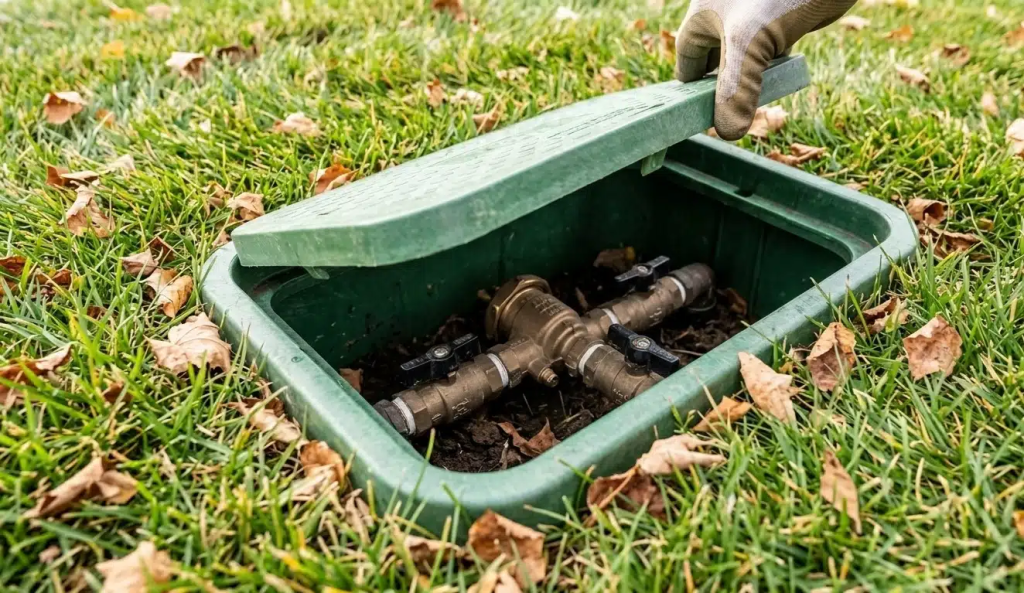
First, the technician shuts off the irrigation system’s water supply. Once the water supply is turned off, the irrigation valves are opened to allow air to move through the system.
Next, a commercial air compressor is connected to the irrigation system. Compressed air is pushed through each irrigation zone, forcing water out of the pipes and sprinkler heads.
Each zone is cleared individually to ensure that no water remains trapped in the system. Once the water has been removed, the irrigation controller is turned off for the winter.
Most residential sprinkler systems can be winterized in less than an hour, depending on the number of irrigation zones on the property.
Should You Attempt a DIY Sprinkler Blowout?
Some homeowners consider performing sprinkler blowouts themselves using a portable air compressor. While this may seem like a simple task, it can be risky without the proper equipment.
Small residential compressors often lack the airflow needed to remove water from long irrigation lines. On the other hand, using excessive air pressure can damage sprinkler heads or valves.
Professional irrigation technicians use commercial compressors designed specifically for sprinkler systems. They also know the safe air pressure levels required to prevent damage while clearing the system completely.
If your irrigation system requires maintenance or adjustments before winterization, services such as sprinkler installation & repair can help ensure the system is functioning properly before it is shut down for winter.
Other Fall Lawn Care Tasks to Consider
While sprinkler winterization is essential, fall is also an excellent time to perform several other lawn care tasks that help your lawn recover and prepare for spring.
Lawn Fertilization
Fall fertilization strengthens grass roots before winter dormancy. Applying nutrients during this time helps lawns recover quickly when temperatures warm in spring. Professional lawn fertilization can help ensure your lawn receives the nutrients it needs for healthy growth.
Weed Control
Weeds often continue growing in fall even as lawn growth slows. Seasonal weed control helps prevent invasive plants from spreading and reduces the number of weeds that appear next spring.
Lawn Care Programs
Many homeowners benefit from a consistent seasonal maintenance plan. A professional lawn care program ensures your lawn receives the right treatments at the right time throughout the year.
Tree and Shrub Health
Fall is also a great time to care for trees and shrubs around your property. Proper tree and shrub fertilization helps plants remain strong and resilient during winter.
Combining these seasonal services with sprinkler winterization prepares your entire landscape for the colder months.
Spring Irrigation Startup
After winter passes, irrigation systems must be restarted carefully to ensure everything functions properly.
Spring startup usually involves turning the water supply back on, testing each irrigation zone, checking sprinkler heads for damage, and adjusting spray patterns.
If winterization was performed correctly in the fall, spring startup is typically smooth and problem-free. However, if damage occurred during winter, early detection can prevent water waste and lawn damage.
FAQs
When should I schedule a sprinkler blowout in Idaho?
Most homeowners in southern Idaho should schedule sprinkler winterization between late September and late October. The key is completing the blowout before the first hard freeze.
What happens if I skip a sprinkler blowout?
Skipping winterization can lead to frozen water inside irrigation pipes. This often causes cracked pipes, broken valves, and sprinkler head damage that may require costly repairs in spring.
How long does a sprinkler blowout take?
Most residential systems take between 20 and 40 minutes to winterize. Larger properties with multiple irrigation zones may take slightly longer.
Can I use my sprinkler system after a blowout?
Once a sprinkler blowout is completed, the system should remain off for the rest of the winter season. Running the irrigation system again could reintroduce water into the pipes and create freezing risks.
Do all sprinkler systems need winterization in Idaho?
Yes. Because Idaho experiences freezing winter temperatures, all irrigation systems should be winterized to prevent pipe damage and costly repairs.
Protect Your Irrigation System Before Winter
Preparing your irrigation system for winter is one of the most important seasonal maintenance tasks for Idaho homeowners. A properly scheduled sprinkler blowout protects your irrigation lines from freezing temperatures, prevents costly damage, and ensures your system is ready to operate when spring returns.
If you live in Nampa, Meridian, Boise, or the surrounding Treasure Valley, scheduling sprinkler winterization early in the fall helps guarantee your system is protected before freezing weather arrives.
Schedule Your Sprinkler Blowout Today
Protect your irrigation system before winter arrives. Idaho Organic Solutions provides professional sprinkler blowouts and seasonal lawn care services for homeowners across Nampa and the Treasure Valley.
If you want to make sure your irrigation system is properly winterized and your lawn is ready for the colder months, our team is here to help.