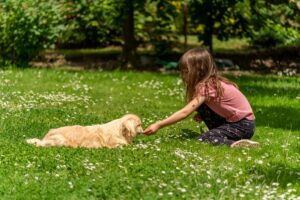
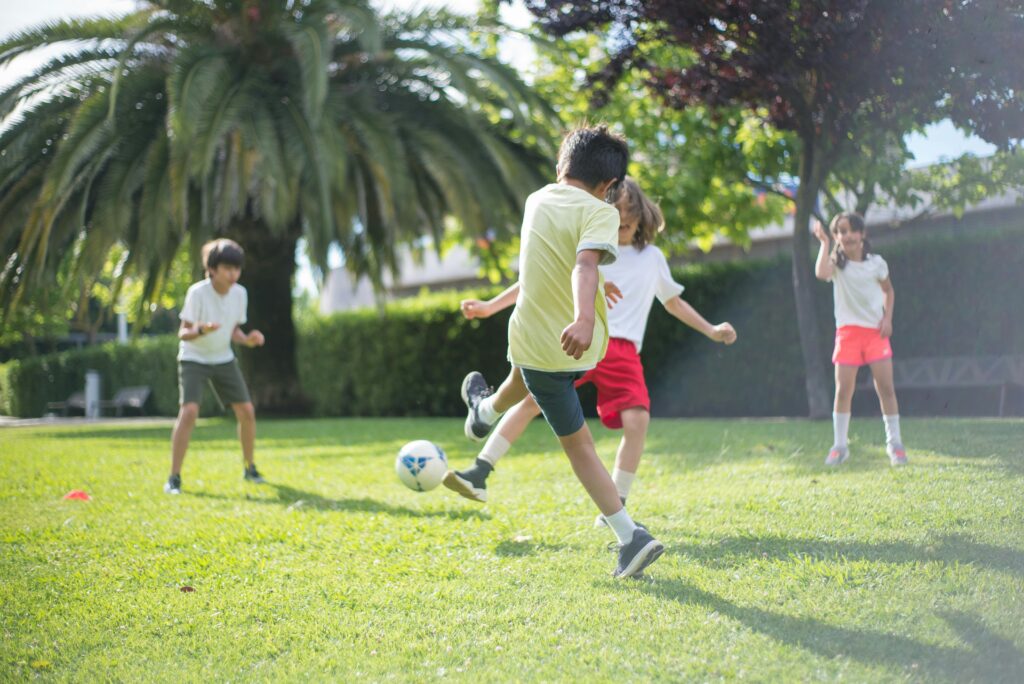
When your kids are playing tag in the backyard, and your dog is rolling around in the grass, the last thing you want to worry about is whether your lawn treatments are putting them at risk.
The unfortunate reality is this: if you’re using harsh chemicals, you should probably be concerned. But there’s good news! You don’t have to choose between a beautiful lawn and a safe backyard. Homeowners across Nampa and the Treasure Valley are discovering that organic lawn care, the kind provided by Idaho Organic Solutions, actually works — and it keeps the people (and pets) you love protected.
The Real Difference Between Organic and Chemical Treatments
When lawn companies talk about being “pet-safe,” sometimes they’re mixing their words. Organic doesn’t automatically mean safe — it just means the ingredients come from nature rather than a lab. And just like chocolate, not everything that’s “natural” is good for your dogs.
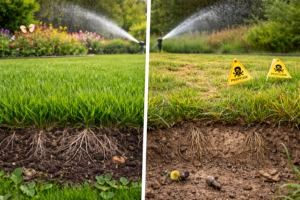
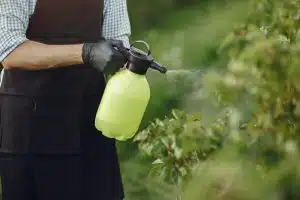
Organic methods are different: rather than spraying harsh chemicals onto your soil, we use gentler methods such as organic fertilizing to help nurture your soil. Chemical fertilizers and synthetic pesticides work fast, but your lawn will also weaker over time because eventually, they’d rely on the chemicals to survive.
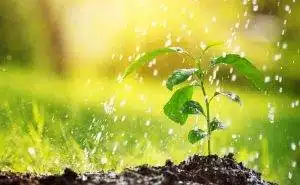
When you apply organic fertilizers as part of an organic treatment, you’re feeding the soil microorganisms, which then feed your grass. It’s slower, but the results are lasting. Your lawn develops stronger roots, better drought resistance, and — crucially — you’re not introducing toxins that stick around in the thatch where kids play barefoot, and dogs dig.
Why Nampa’s Climate Makes This Matter
Idaho’s dry summers and alkaline soil already stress your lawn. Add harsh chemicals into the mix, and you’re fighting an uphill battle. Here’s what happens in our region: hot weather causes chemical residues to concentrate. Rain (when we finally get it) doesn’t wash treatments away cleanly — it carries them into our local water systems. If you have pets, they’re especially vulnerable because they spend more time on the lawn and groom themselves constantly.
That’s why families in Nampa, Meridian, Eagle, and Caldwell are switching. They’re realizing that professional lawn care that uses organic methods actually fits Idaho better than one-size-fits-all chemical programs designed for wetter, more temperate climates.
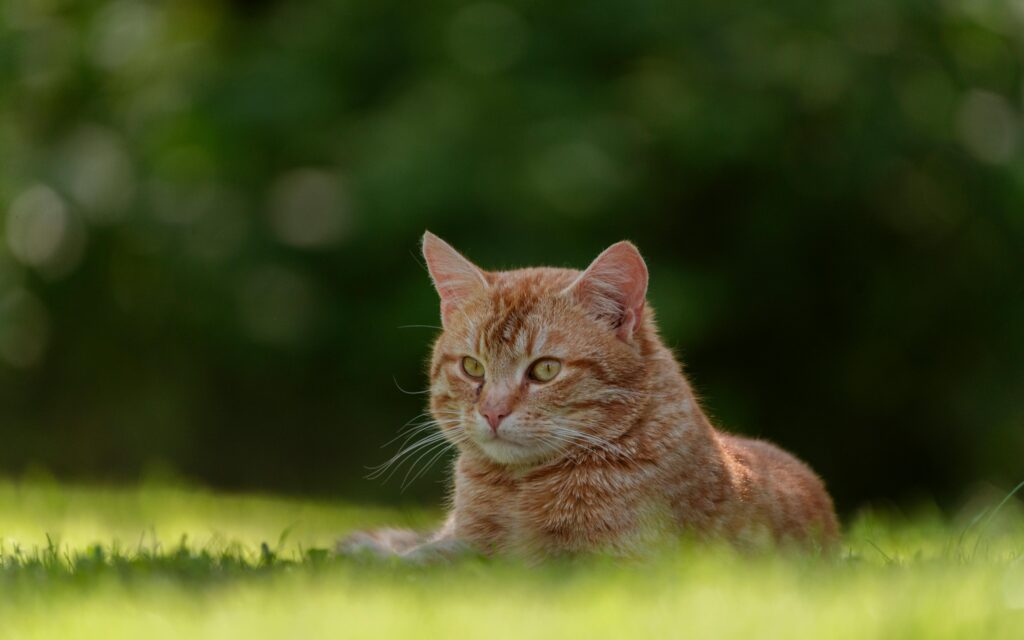
What Makes a Lawn Actually Safe for Kids and Pets
Safety isn’t just about the fertilizer. It’s about the whole approach. Here’s what you should look for:
- Timing and Application When treatments are applied matters. Granular fertilizers fall into the thatch layer quickly — there’s no exposure on the surface. Liquid treatments need time to dry. A trustworthy lawn care company will tell you exactly when it’s safe to let your kids and pets back outside, rather than giving you vague promises.
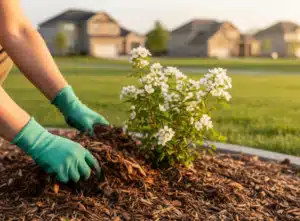
- Natural Alternative Pest Control This is where organic really shines. Instead of broad-spectrum insecticides that kill everything, organic pest management targets specific problems. Want weed control without herbicides? Mechanical removal, proper mowing heights, and soil health improvements can eliminate most weed problems without chemicals. Dealing with grubs? There are natural options that don’t persist in your soil.
- Soil Health A healthy lawn is naturally more resistant to pests and diseases. When you build soil through organic amendments and proper fertilizing programs, you’re creating an environment where beneficial insects thrive and problem pests struggle. Your kids aren’t playing on a chemical-dependent lawn — they’re playing on something genuinely resilient.
Choosing the Right Grass for Active Families
Not all grass is created equal when you’ve got kids and dogs running around.
| Grass Type | Durability | Pet-Friendly | Best For Nampa Climate | Maintenance |
| Kentucky Bluegrass | Excellent | Very Good | Excellent | Moderate |
| Perennial Ryegrass | Very Good | Excellent | Good | Moderate |
| Tall Fescue | Excellent | Very Good | Good | Low |
| Fine Fescue | Good | Excellent | Moderate | Low |
Your lawn care company should help you choose what actually grows well here. Kentucky bluegrass and tall fescue are your best bets for the Treasure Valley — they handle our heat and dry conditions while standing up to foot traffic and pet wear. And here’s the thing: grass that’s naturally suited to your region requires less chemical intervention anyway.
A Good Maintenance Route That Works
If you’re going to keep kids and pets safe while having a great lawn, consistency matters more than intensity. Here’s what works in our experience:
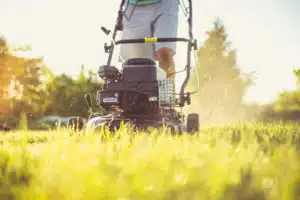
- Mow at the right height: Taller grass (2.5-3 inches) shades soil, reduces water loss, and makes it harder for weeds to establish. It also feels better on bare feet and paws.
- Water deeply but less often: This encourages deep roots and actually reduces pest problems. Shallow, frequent watering? That invites fungal issues and grub infestations.
- Soil testing before fertilizing: Don’t guess. A quick soil test shows exactly what your lawn needs. Most lawns in Nampa don’t need as much nitrogen as they’re getting from standard programs.
- Seasonal adjustments: Spring and fall are your power seasons in Idaho. These are when your lawn needs the most support — not summer, when the heat does most of the damage anyway.
Handling the Transition
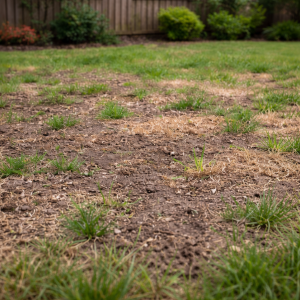
If you’re switching from chemical treatments to organic, there’s something you should know: your lawn might look a little rough for a few weeks. That’s actually good. You’re not forcing artificial growth. You’re letting the soil rebalance. Once it does, you’ll have a lawn that genuinely thrives without constant intervention.
Most homeowners see the real difference within 4-6 weeks. The grass gets thicker, the color deepens, and weeds start losing their grip. As for you, you get to stop worrying about whether your kids are going to get sick from playing outside.
Frequently Asked Questions
How long after an organic treatment can my kids and pets go on the lawn? With properly applied organic fertilizers, they can go on immediately or within a few hours. Liquid treatments might need 24 hours to fully dry, depending on what’s being applied. Your lawn care provider should give you specific instructions for each treatment.
Is organic lawn care more expensive than chemical programs? Initially, it might be comparable. But here’s what changes: you need fewer treatments over time. Chemical programs often require more frequent applications to maintain results. Organic programs build on themselves.
What about existing bare patches or serious weed problems? Organic methods still work, but they take a little longer for severe issues. In those cases, targeted spot treatments combined with soil improvement usually handles it within one season. No magic weed killer exists anyway — even the best chemical options need follow-up.
Can I do this myself or should I hire professionals? You can definitely manage parts of it — mowing, watering, removing weeds by hand. But soil testing, proper application rates, and knowing which treatments actually work in Idaho’s climate? That’s where professionals earn their keep. Getting it wrong costs you time and money.
Will my neighbors’ chemical treatments affect my organic lawn? A little drift can happen, but it’s not a dealbreaker. Your lawn’s improved soil health actually helps it bounce back faster from whatever drifts over from next door.
The Bottom Line
Your lawn doesn’t have to be a hazardous zone. The families across Nampa, Boise, Meridian, and Caldwell who’ve switched to organic lawn care programs aren’t sacrificing their curb appeal — they’re gaining peace of mind. Your kids can play barefoot. Your dog can dig holes and roll around. Your lawn gets healthier every year instead of becoming more dependent on chemicals.
If you’re ready to try a different approach, talk to someone who actually understands Idaho’s soil and climate. The Treasure Valley’s tough on lawns, but that doesn’t mean you need harsh chemicals. It means you need someone who knows what works here.
Ready to make your lawn both beautiful and safe? Contact Organic Solutions today for a free assessment of your property. Let’s figure out what your specific lawn needs — not what some generic program says it should have.