
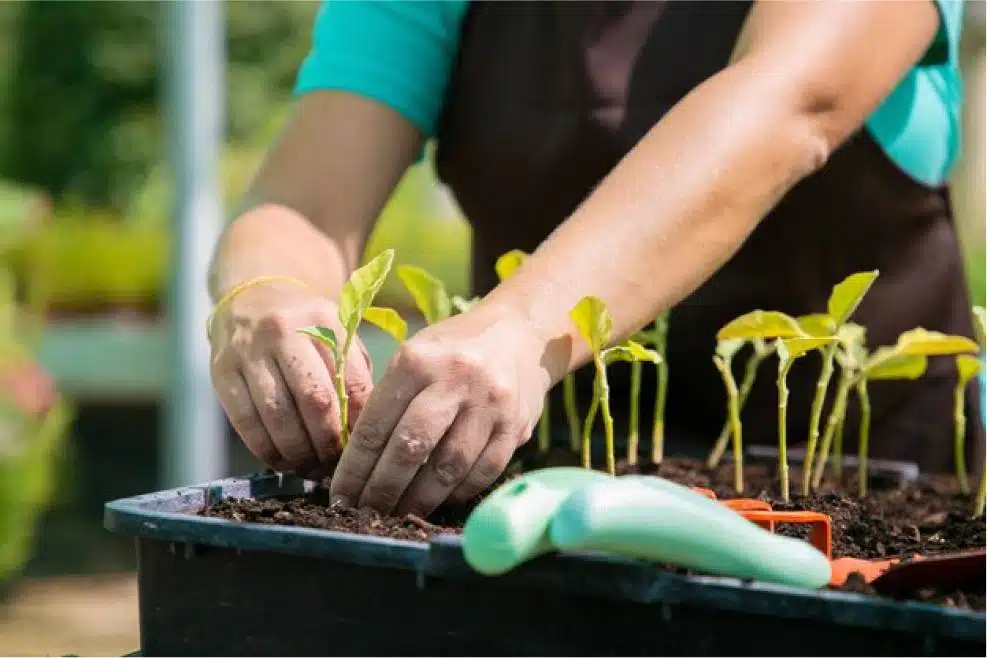
Proper watering for new seed can be a little tricky. The most important thing to remember is the seed needs to stay damp 24 hours a day, 7 days a week. But… you don’t want puddles developing in your yard either, as it will float the grass seed and create patchy areas. Achieving this can take a little more effort than many realize.
There are many variables in determining when to water and for how long. Variables such as the season, temperature, wind, soil type, sprinkler coverage, and sun exposure. All of these variables will have an effect. Don’t become overwhelmed!! I will walk you through step by step.
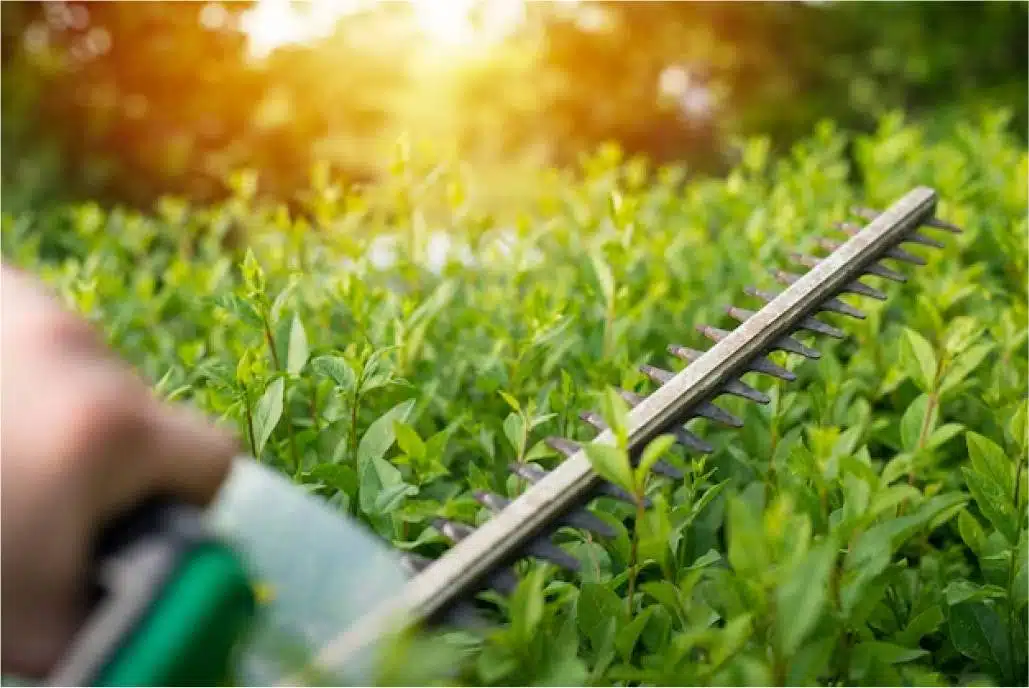
New trees and shrubs may take up to 2 seasons for the roots to start growing outside of the root ball from the nursery. The first 2 seasons are an extremely important time in terms of watering and fertilizing, primarily if the plants and trees are watered by drip irrigation. There are many variables in determining when to water and for how long. Variables such as the season, temperature, wind, soil type, sprinkler coverage, and sun exposure. All of these variables will have an effect. For new trees and shrubs it is important that the soil remains damp (not muddy) at the base of the tree or shrub for the first 2 seasons. The easiest way to check this is to take a handful of dirt in your hand from the base of the plant and squeeze it. You want the dirt to easily compact and hold its shape in your hand once you relieve pressure, but you don’t want water dripping out of your hand when you apply pressure (muddy). The dirt should be a nice chocolaty brown color but not muddy. Too much water can rot the roots out of your new plants or trees but too little water and they will not survive. This is something you will need to monitor for the first 2 seasons. You will need to monitor it after the first 2 seasons as well but…. The first 2 are the most important. How do you accomplish this?
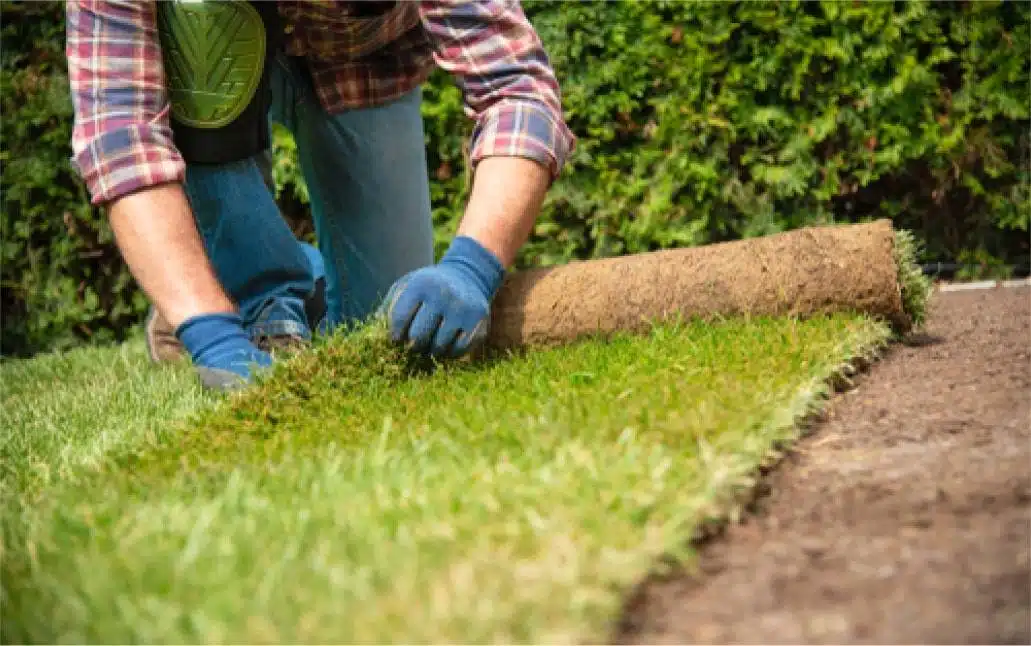
Getting going on sod is much simpler than seed. Grass seed may take up to two months or more to establish where sod will usually only take 2-3 weeks. Here is how you get going.
If the sod has begun to root over the entire lawn, then move on to the “properly watering your lawn” section and begin a normal watering schedule.
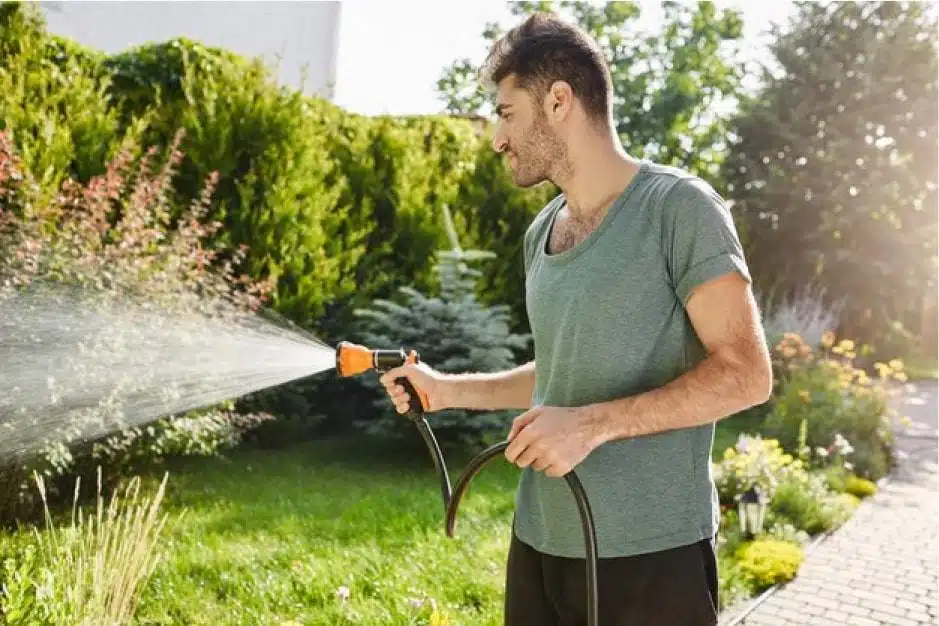
Improper lawn water is one of the most common problems we see from a professional standpoint, on a regular basis. Not only does it create more problems for your lawn but also degrades the services you pay us for (lawn fertilization, weed control, lawn mowing). Properly watering your lawn will give you the best results for the services you pay for and ultimately a healthy lawn.
Shallowly rooted plants are easily stressed. When the roots of the turf plant die due to lack of oxygen, the plant is put under stress. This, in turn, makes them more susceptible to disease and insect damage. Minor disease and insect problems can become major lawn disasters when a lawn is shallowly rooted. Overwatering your lawn can cause a plethora of problems, including:
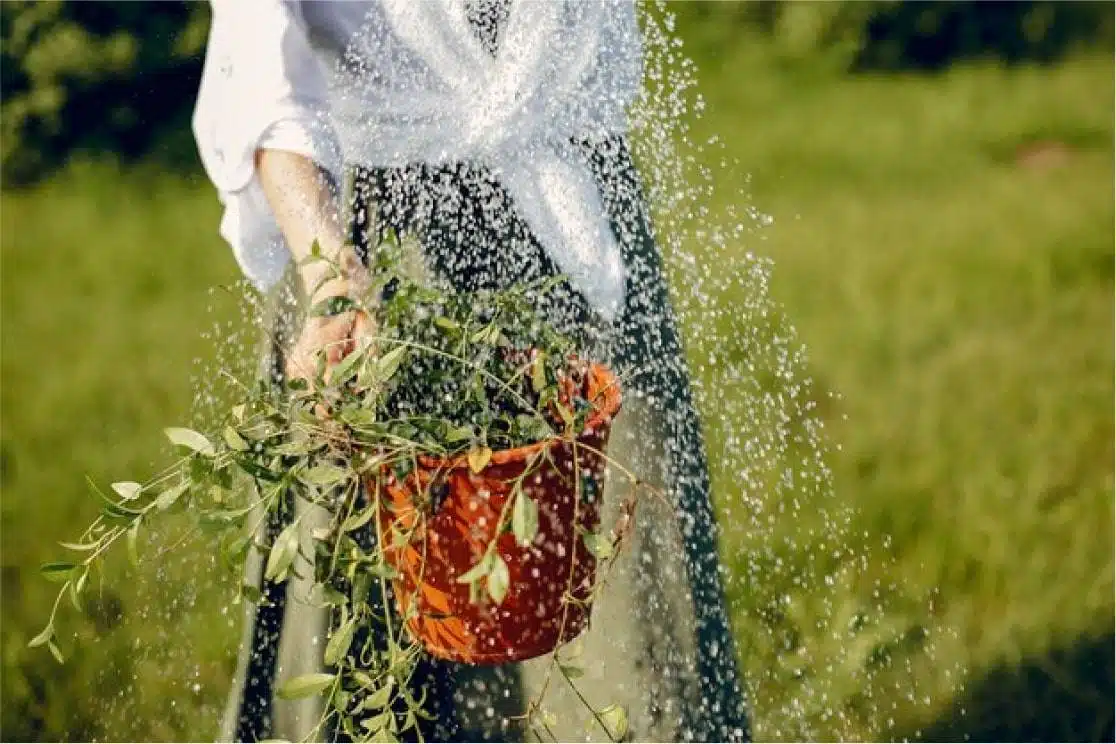
The issues associated with under watering grass are much simpler but can still cause very real long term problems. When grass does not get enough water it goes into a dormancy phase. This dormancy is very similar to what your grass does during the winter months. However unlike the winter, if the grass does not start receiving water it will begin to die. Just because your grass begins to brown off in the summer heat does not mean it is dead but it does mean you need to act as quickly as possible to prevent permanent damage. Once the grass starts receiving adequate water it will generally fully recover in 1.5 – 2 weeks. Here are a few common issues associated with under watering:
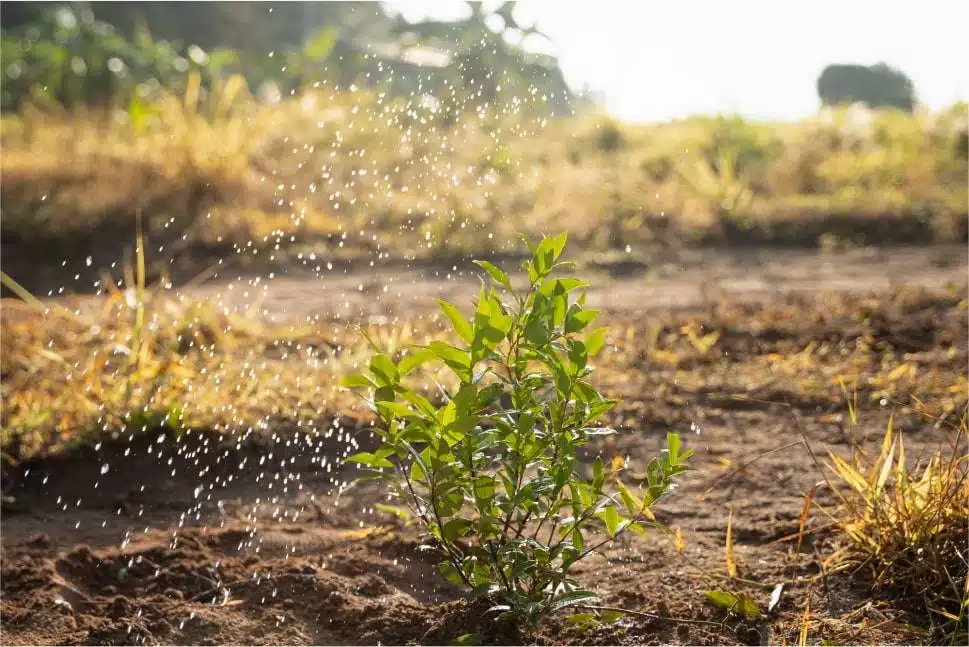
Properly watering your lawn will prevent disease, bug problems, weeds, and help ensure you get the most value out of the services we provide. It will not only help create a beautiful lush lawn but also help your lawn create proper root structure and help build your soil. You can fertilize and treat weeds correctly but if the lawn is not watered correctly…… all of the time, money and effort put into your lawn will be wasted. Proper watering is one part of four key ingredients you need for a healthy lawn. The four items are fertilizing, weed/bug control, proper mowing, and proper watering. You can do all of these things correctly but forget one, and they all fall apart.
There is actually a science dedicated to properly watering plants. It is called the science of Evapotranspiration which is mostly employed in the agricultural industry. Definition of Evapotranspiration is the process by which water is transferred from the land to the atmosphere by evaporation from the soil and other surfaces and by transpiration from plants. Basically, every plant needs a certain amount of water to survive and be healthy but there are outside factors at play that create restriction to how much water the plant actually receives. Evaporation is the key factor. The two most common factors into how much water is evaporated are air temperature and wind. Your lawn needs more water during high heat months because of the effects of evaporation (this is a basic explanation). Therefore the amount you water your lawn in the spring and fall will not be the same amount you water during the heat of the summer. The actual water needed by your lawn will change almost monthly to account for current weather, which means your watering schedule for your sprinklers needs to be adjusted monthly. There are other factors as well.
Soil type is another factor. I will not go into great detail but the most common types of soil in this valley are loam, clay, and sand. Each of these soils retain water in different ways, which means you will water differently in clay soil vs loam or sand.
The last major factor is the type of grass we are watering. The most common grass used in the valley is Bluegrass. Bluegrass has an average rooting depth between 2-6 inches. Since most grass varieties have no real way of storing water, the only water the Bluegrass will have access to, is the water in the first 2-6 inches of the soil. For this reason, “Deep watering” will generally not work for Bluegrass. Knowing the type of plant you are watering and watering accordingly is very important.
There are all sorts of “how to” instructions or videos online on how to set up sprinkler schedules. The problem is that everyone’s soil conditions, sun exposure, type of grass, wind exposure, and sprinkler coverage are different. Which means there are too many variables from one property to the next to give specific watering times to each property and have them be accurate or specific to the needs of your property. You will have to spend a little time on your property with your sprinkler system to get everything functioning correctly. This is how you achieve that:
Generic initial setup:
Type Of Sprinkler | Spring | Summer | Fall |
|---|---|---|---|
Pop up | 15 minutes 2-3 times per week | 20-25 minutes up to 6 times per week | 15 minutes 2-3 times per week |
rotor/impact | 30 minutes 2-3 times per week | 45-50 minutes up to 6 times per week | 30 minutes 2-3 times per week |
(If you live in the foot hills and have sandy soil your watering schedule will be a little different, give the office a call and we can go over a few different schedules).
When adding or lowering run time to individual zones, only make small changes. Small changes can go a long way. For instance try adding 5 minutes. If you are already watering 15 minutes 2-3 days a week and the grass is still a little dry, increase the watering to 20 minutes 2-3 days per week. After you make these changes wait a week to see how your changes have affected your lawn. DO NOT make constant changes every couple days, it will ruin any progress you have made.