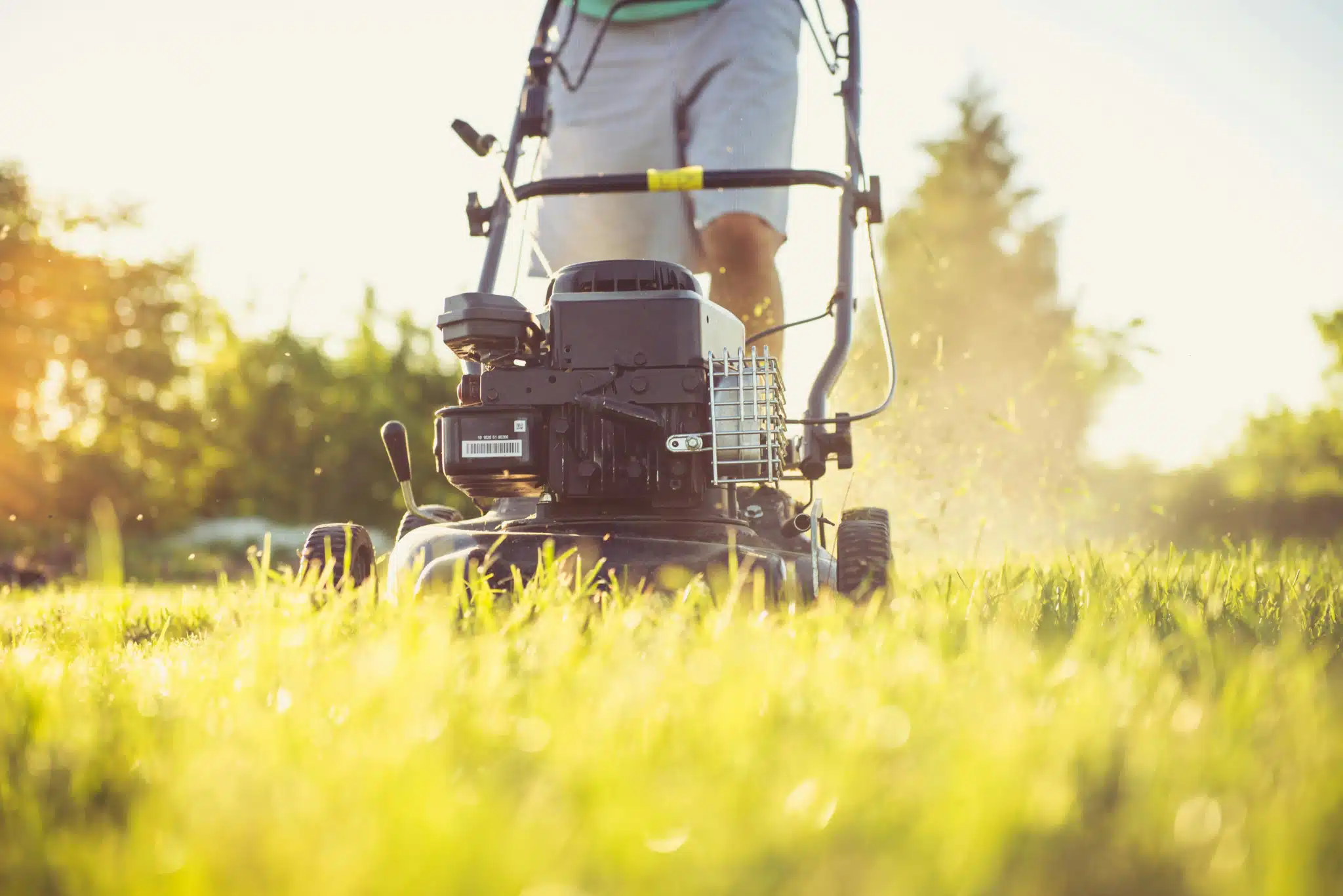
If you’ve been fighting with your lawn in Nampa, you might think the problem is your grass. It’s probably not. The real issue is usually the soil underneath it – that’s where Organic Solutions’ specialized organic lawn care programs can make a difference.
What Organic Lawn Care Actually Is
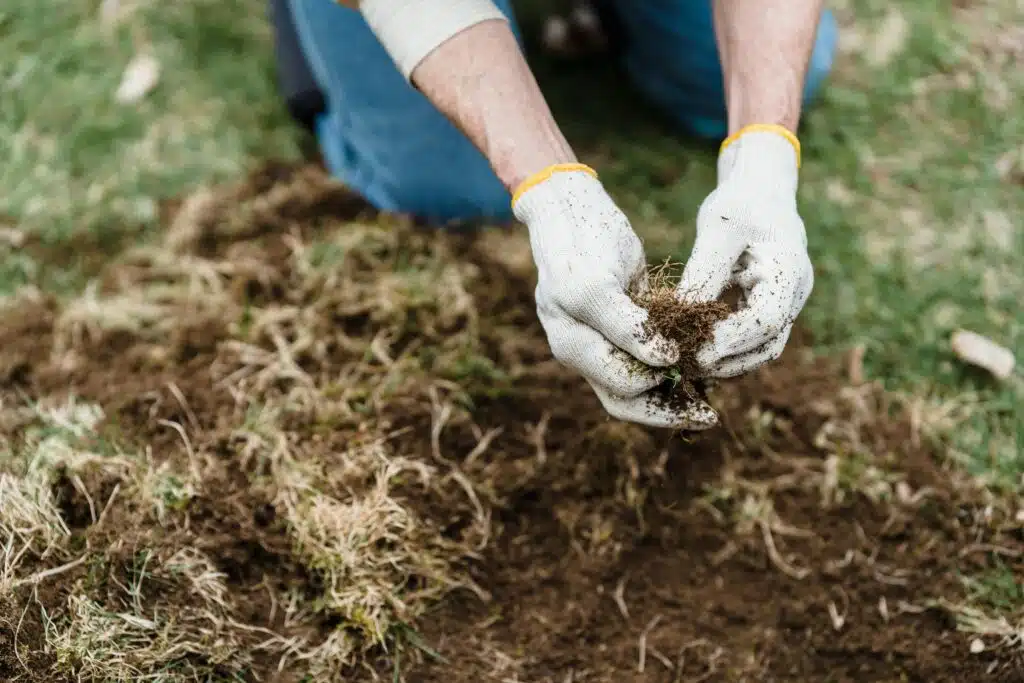
Organic lawn care is simpler than it sounds. Instead of dumping synthetic fertilizers and chemical herbicides on your grass, you work with your soil’s natural ecosystem. You feed the microbes, earthworms, and beneficial organisms that make soil healthy. A healthy soil ecosystem naturally handles a lot of the problems, ranging from pests, weeds, to nutrient deficiencies, that people usually spray harmful chemicals to fix.
The shift from conventional to organic isn’t about becoming a hippie or pseudoscience. A single grass plant is part of a massive underground community of bacteria, fungi, and other microorganisms. When you poison that community with synthetic chemicals, the grass might look green for a few weeks, but the soil gets weaker, not stronger.
In Nampa’s alkaline, clay-heavy soil, this distinction matters more than people realize. Your soil already works against you – the pH is typically around 7.9, which locks up nutrients grass needs. The clay compacts easily, making it hard for water and air to reach roots. Chemical fertilizers create a quick fix for nutrient deficiencies but don’t address the underlying problem. So by using organic methods and slowly rebuilding your soil structure and chemistry, your grass can become healthier and more resistant to disease and extreme weathers (which aren’t uncommon in Nampa).
Why Nampa Lawns Respond So Well to Organic Treatment
Nampa’s climate poses genuine challenges. You get roughly 11 inches of rain annually – not enough for most lawns without serious irrigation. Summers push past 100°F regularly, while temperatures drop to 0-5°F. This stresses out even the strongest, most deeply-buried root systems. Winds in spring and early summer dry everything out faster than most homeowners realize.
Under those conditions, a chemically dependent lawn is incredibly fragile and requires constant intervention. For instance, a common fix for a malnutritious lawn is to dump synthetic nitrogen fertilizer. This creates fast, soft growth and greenifies your lawn within a week… but a bit of heat stress and drought will wipe that out fast. You end up fighting problems year-round – more fertilizer, more pesticide applications, more watering.
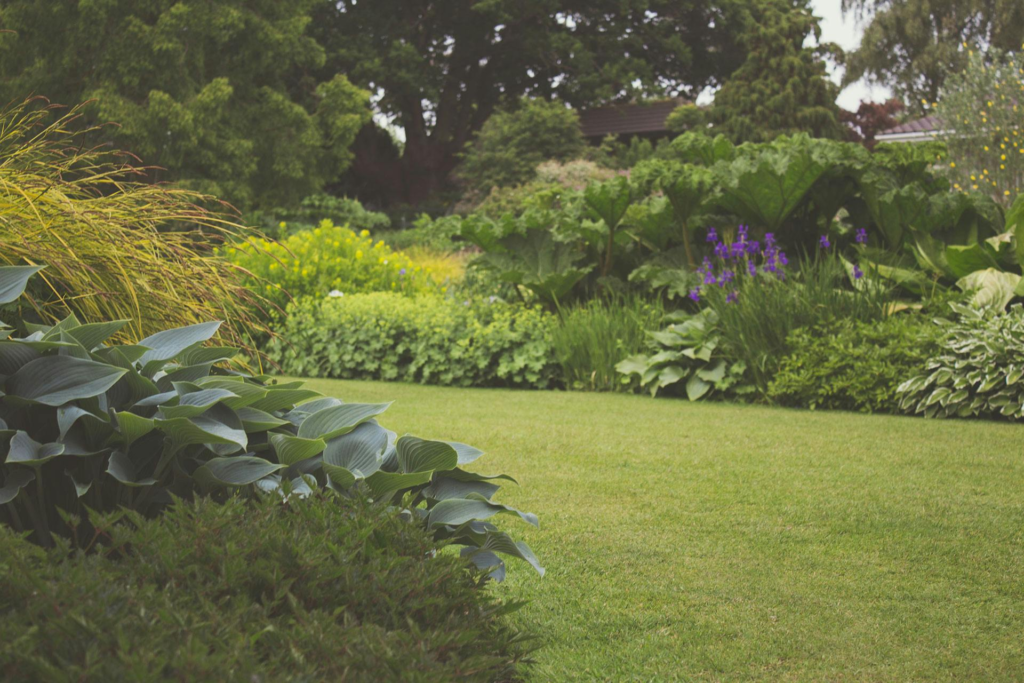
An organically managed lawn builds drought resistance through deeper root systems. When you improve soil structure with compost and organic matter, it holds more water during dry spells and drains better during rare wet periods. The grass develops what experts call “drought muscle” – the ability to handle stress without collapsing.
The other payoff is pest resilience. Common Treasure Valley pests like billbugs, white grubs, and sod webworms have evolved to exploit weak lawns. A thick, healthy, organically managed lawn crowds them out naturally. You spend less money fighting pest damage because the grass doesn’t invite the problem in the first place.
The Specific Methods That Work in Canyon County
Organic lawn care in Nampa relies on four core strategies tailored to your local conditions:
- Building soil with amendments. This is where organic lawn care starts. Compost applied at the right time introduces beneficial microorganisms and improves soil structure. In alkaline soils, compost also helps moderate pH over time. Organic matter increases water-holding capacity in clay soils without creating the waterlogging problems that sometimes come with heavy clay.
- Using natural fertilizers. Products like bone meal, feather meal, seaweed extract, and fish emulsion provide nutrients without the salt stress that synthetic fertilizers create. Organic fertilizers release slowly, matching grass growth rates. They feed the soil ecosystem first and the grass plant second. In Nampa’s dry climate, this matters because it prevents the fertilizer burn you sometimes see with synthetic applications.
- Promoting beneficial insects. A healthy lawn supports predatory insects that hunt billbugs and grubs. Instead of killing everything with pesticides, organic methods encourage the “good bugs” that naturally control pests.
- Proper mowing and watering. This sounds basic, but it’s foundational. Keeping grass slightly longer (around 3 inches) shades the soil, reduces water loss, and crowds out weeds. Watering deeply but infrequently – aiming for 1-2 inches per week depending on season – teaches roots to grow deeper. Shallow, frequent watering creates dependence on constant irrigation.
| Organic Method | Main Benefit | Best Timing in Nampa |
| Compost application | Improves soil structure and adds biology | Spring (April-May) and fall (September-October) |
| Corn gluten meal | Prevents crabgrass and other annual weeds | Late March-Mid-April, then mid-August |
| Aeration | Relieves compaction, improves water penetration | April-May or September-October |
| Natural fertilizers | Slow-release nutrients without salt stress | Early spring, early summer, late summer, fall |
| Mulching | Suppresses weeds, retains moisture | Applied after spring cleanup, refreshed in fall |
How Long Until Results Are Visible?
This is where patience matters. Some results show up within weeks. Your lawn might look noticeably greener and thicker within 3-4 weeks of starting an organic program. Weeds usually decrease fairly quickly because the thicker grass crowds them out naturally.
Other improvements take longer. Your soil’s biological community doesn’t rebuild overnight. It can take a full season or two before your lawn stops needing as much intervention. But that’s the payoff – once the foundation is solid, you spend less time maintaining it.
In year one, expect to see thicker growth, fewer bare patches, and a noticeable reduction in pest damage. By year two or three, you’ll likely find yourself watering less frequently and applying treatments less often. Your water bills go down. Your free time increases. And most importantly, your lawn gets less needy!
Why Safe Matters in Nampa
Canyon County families have kids and pets that spend time in the yard. Chemical lawn treatments come with 24-48 hour re-entry restrictions for good reason – there’s real toxicity risk (Minnesota Department of Agriculture).
Organic lawn care eliminates that concern. Your toddler can pick dandelions without you worrying about pesticide residue. Your dog can roll in the grass after treatment without health risks.
Beyond your property, there’s the groundwater issue, too. Nampa and the surrounding Treasure Valley region rely heavily on well water (City of Nampa). Chemical fertilizers and herbicides can leach through alkaline soils and contaminate wells. Organic methods feed the soil without that contamination risk, so you get a healthier lawn, as well as doing a service to your local community, as well.
Frequently Asked Questions (FAQs)
How is organic lawn care different from just “not using chemicals”?
Organic lawn care actively works with your soil’s natural ecosystem – feeding microbes, earthworms, and beneficial organisms that naturally handle pests, weeds, and nutrient deficiencies. It’s not just avoiding chemicals; it’s rebuilding soil biology. A healthy soil ecosystem becomes self-sustaining, handling problems that people usually spray chemicals to fix.
Why does Nampa’s alkaline soil respond better to organic methods?
Nampa’s pH 7.9 soil locks up nutrients grass needs, so chemical fertilizers create quick fixes but don’t address the underlying problem. Organic amendments like compost gradually moderate alkalinity over time while improving soil structure. Instead of constantly fighting a losing battle, organic methods address the root cause and make the soil work with you instead of against you.
How does organic management create drought resistance?
Organic methods build deeper root systems through improved soil structure and less frequent watering patterns. When soil has more organic matter, it holds more water during dry spells. Grass develops “drought muscle” – the ability to handle stress without collapsing. A chemically dependent lawn with shallow roots collapses quickly when irrigation stops.
Can a homeowner do organic lawn care themselves, or does it require professional knowledge?
Both are possible. Professional knowledge ensures precise timing (corn gluten meal application windows, seasonal schedules) and exact application rates. Many homeowners use a hybrid approach – hiring professionals for specialized services like aeration and soil testing while managing irrigation, mowing, and hand-pulling themselves.
How soon will I see results after starting an organic program?
Some results show within weeks – your lawn might look noticeably greener and thicker within 3-4 weeks. Weed pressure usually decreases fairly quickly as thicker grass crowds them out. But deep soil improvements take time. By year one, expect thicker growth and less pest damage. By year two or three, you’ll likely water less frequently and apply treatments less often.
The Real Bottom Line
Organic lawn care for Nampa properties isn’t more complicated than conventional care. Just different!
By understanding that your lawn’s health is determined mostly by what’s happening in the soil, not by what you spray on top of it, you can work with the climate and land instead of fighting against it.
Ready to understand what your specific lawn needs? Organic Solutions can assess your soil and create a plan tailored to your property’s conditions. The foundation of any successful organic program is knowing exactly what you’re working with.