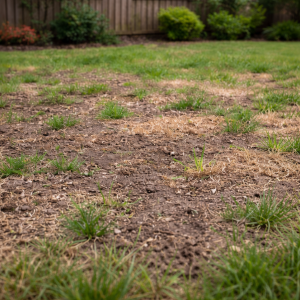
Every summer, the same thing happens to thousands of Treasure Valley homeowners. The lawn that looked thick and green in May starts fading to a sickly yellow by July. You water more, maybe throw down some fertilizer from the hardware store, and nothing seems to work. By August, you’re wondering whether grass can even survive in Idaho.
It can but only if you understand why it’s yellowing in the first place. The causes are specific to Idaho’s soil, climate, and water chemistry, and the fixes are different from what works in other states. Here’s what’s actually going on with your lawn, and what to do about it.
The Real Reasons Idaho Lawns Turn Yellow
1. Alkaline Soil Locks Out Nutrients
Idaho’s native soils are naturally alkaline, often testing between pH 7.5 and 8.5. At that pH range, iron, manganese, and zinc become chemically bound to soil particles and essentially unavailable to grass roots even when those nutrients are physically present in the soil. The grass shows classic iron chlorosis: yellow blades with green veins, or an overall pale, washed-out color.
This is the single most common reason lawns yellow here in the Treasure Valley, and it’s the one most homeowners miss entirely. They add more fertilizer with iron in it, but if the soil pH is too high, the iron just locks up again. The fix isn’t more iron, it’s correcting the soil chemistry so the iron your lawn already has can actually be used.
Our lawn care program includes soil pH testing and targeted amendments to bring alkaline soils into the range where grass can thrive.
2. Heat Stress and Dormancy
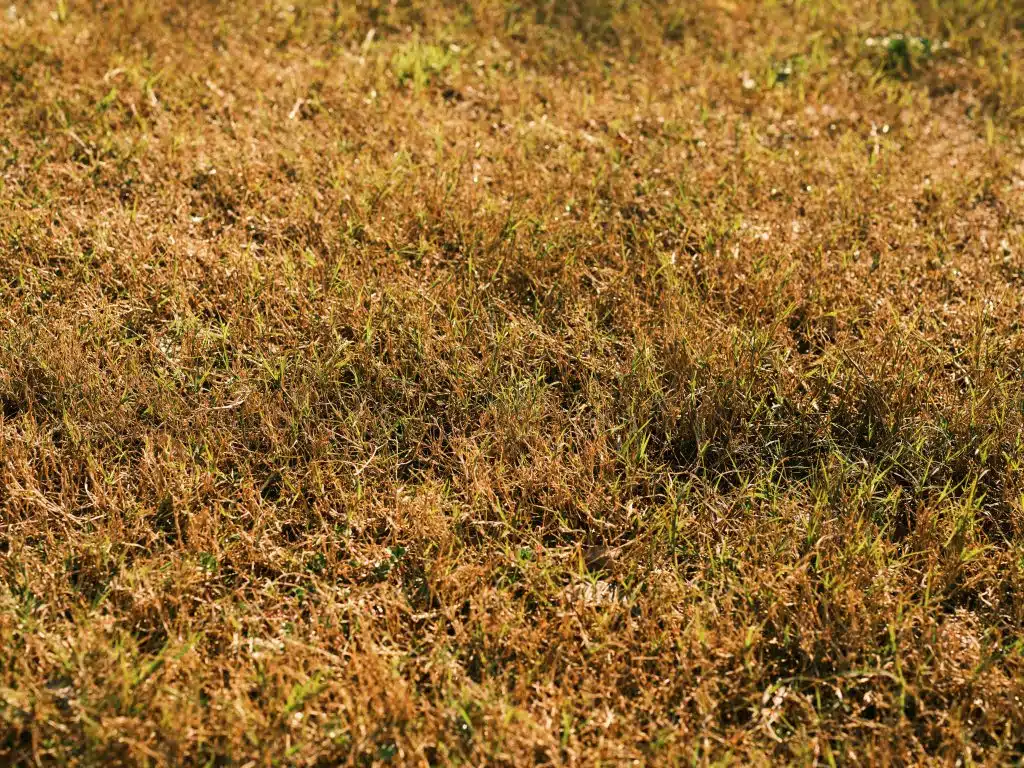
Idaho summers regularly push past 100°F in the Treasure Valley. Cool-season grasses Kentucky bluegrass, tall fescue, perennial ryegrass naturally slow their growth and can go partially dormant when temperatures are consistently this high. A dormant lawn turns tan or yellow-brown but is not dead. It’s protecting itself.
The mistake most homeowners make here is panicking and overwatering. Dormant grass doesn’t need more water, it needs patience and proper irrigation timing. Watering at the wrong time of day actually makes things worse by promoting fungal disease.
If you’re not sure whether your lawn is dormant or dying, our lawn care team can assess it and tell you exactly what you’re dealing with.
3. Irrigation Problems: Too Much, Too Little, or Both
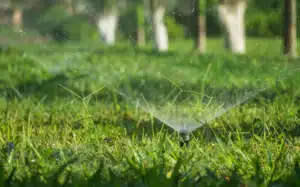
In Idaho, most homeowners water too frequently and not deeply enough. Shallow, frequent watering trains grass roots to stay near the surface exactly where the soil dries out fastest and temperatures are highest. The result is grass that’s perpetually stressed and susceptible to drought and heat even when you think you’re watering enough.
The Treasure Valley’s water also tends to be hard and high in minerals. Over time, salts accumulate in the soil and create osmotic stress that prevents grass from absorbing water even when moisture is present, a condition called “drought stress” that shows up as yellowing even on a lawn that’s being watered daily.
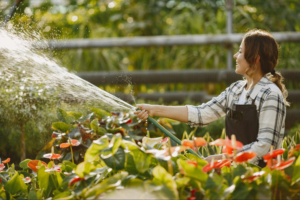
A properly designed and calibrated irrigation system solves both problems. Our sprinkler installation and repair service ensures your system is delivering the right amount of water at the right times, typically deep, infrequent cycles in the early morning.
4. Compacted Soil Suffocating the Roots
Idaho’s clay-heavy soils compact easily, especially in high-traffic areas. When soil is compacted, water runs off instead of soaking in, oxygen can’t reach roots, and roots can’t expand. The grass becomes shallow-rooted and vulnerable to any stress, heat, drought, or disease and turns yellow well before lawns in looser soil would.
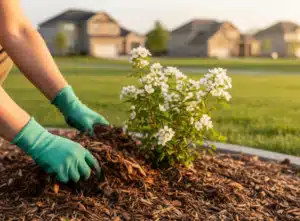
Aeration and organic soil amendments break up compaction and dramatically improve how water and nutrients move through the root zone.
5. Fungal Disease
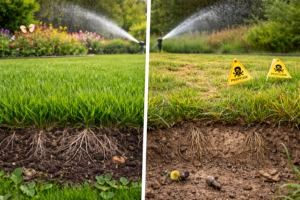
Summer heat combined with overhead irrigation and poor air circulation creates ideal conditions for fungal diseases like dollar spot, rust, and necrotic ring spot. These often appear as yellow patches, rings, or a general yellowing that doesn’t respond to watering or fertilizer.
The typical error is treating a fungal problem with more fertilizer, which feeds the fungus and makes the problem worse. Correct diagnosis is essential. Our weed control and disease management services include identifying what’s actually affecting your lawn before recommending any treatment.
6. Grubs and Root-Feeding Insects
White grubs the larvae of June beetles and masked chafers feed on grass roots from mid-summer onward. Because they’re underground, homeowners often mistake the damage for drought stress or disease. The telltale sign: yellow or brown patches that peel back like a loose carpet, because the roots have been severed.
If you’re dealing with suspected grub damage, our pest control program includes targeted treatment that eliminates the larvae without broad-spectrum soil drenching.
7. Improper Fertilization Timing
Applying high-nitrogen fertilizer during peak summer heat forces rapid growth in cool-season grasses at exactly the wrong time. The grass tries to grow fast while simultaneously dealing with heat stress, which depletes carbohydrate reserves and you guessed it turns it yellow.
Idaho lawns need fertilization on a specific schedule tied to their growth cycles, not to what looks green at the garden center. Our fertilizing service is designed around the actual biology of Treasure Valley grasses.

How to Fix Yellowing for Good: A Practical Plan
Step 1: Test your soil. Don’t guess at pH. A proper soil test tells you what’s actually going on so you’re not throwing money at the wrong problem.
Step 2: Address pH with the right amendments. Sulfur applications, organic matter incorporation, and the right fertilizer chemistry can bring alkaline soils back into the functional range over time.
Step 3: Fix your irrigation. Switch to deep, infrequent watering cycles (1–1.5 inches per week, applied in 2–3 sessions) scheduled for early morning. Check your sprinkler coverage for dry spots. Our landscape drainage team can also help if poor water movement is part of the problem.
Step 4: Aerate compacted areas. Late summer or early fall aeration opens the soil, improves drainage, and allows amendments to reach the root zone where they’re needed.
Step 5: Treat disease and pests correctly. Get an accurate diagnosis before applying any product. The wrong treatment can make fungal or insect problems significantly worse.
Step 6: Follow an Idaho-specific fertilization calendar. Spring startup, late spring, a light summer application if needed, and fall feeding are the typical rhythm for cool-season lawns here.
If you want all of this handled without having to become a turf scientist, that’s exactly what our services are designed for.
What About Going Artificial?
For some homeowners especially those with shaded areas, steep slopes, or extremely high summer water bills artificial turf is worth a serious look. Modern artificial grass looks far more natural than it did a decade ago, holds up well to Idaho weather extremes, and requires none of the seasonal maintenance that causes real grass to struggle. It’s not for everyone, but it’s a legitimate solution for the right situation.
Frequently Asked Questions
My lawn yellows in the same spots every summer. What does that mean?
Recurring yellow patches in the same location usually point to a specific, fixable issue such as an irrigation head that isn’t covering that zone properly, a compacted high-traffic area, or a soil inconsistency like buried construction debris. Patterns like this are actually helpful because they narrow the cause instead of guessing blindly.
Can I fix yellowing by just watering more?
Usually not. More water often makes things worse by increasing alkaline salt buildup, encouraging fungal growth, and keeping roots shallow. What matters more is proper irrigation timing, depth, and distribution rather than simply increasing volume.
Is yellow grass dead or can it recover?
Most yellow grass is still recoverable, especially if it’s caused by heat dormancy, iron deficiency (chlorosis), or mild drought stress. However, grass with long-term root damage from grubs or severe fungal issues may not recover and could require overseeding or patching.
How long does it take to fix a chronically yellow lawn?
Some issues improve within 3–6 weeks, especially iron or nutrient-related problems. Deeper issues like compaction, soil imbalance, or irrigation problems typically take a full growing season to correct, with the best results often showing the following spring.
Should I water more during a heat wave?
Stick close to your normal irrigation schedule. In extreme heat, a light additional midday cycle can help cool the grass canopy, but heavy overwatering should be avoided. The goal is cooling the plant, not saturating the soil.
Take the Guesswork Out of It
Diagnosing a yellowing lawn correctly matters. Apply the wrong treatment and you spend money making the problem worse. Apply the right one and you can have a noticeably greener lawn within weeks.
Idaho Organic Solutions has been solving exactly these problems for Treasure Valley homeowners for over 20 years. We know Idaho soil, Idaho water, and Idaho summers and we use organic methods that are safe for your kids, your pets, and the watershed.
Get your free lawn assessment today or call us at 208-884-8986. We serve Nampa, Meridian, Boise, Eagle, Caldwell, Kuna, Star, and the surrounding Treasure Valley.